Trip in

Brazil is bigger than the contiguous United States, and its destinations have almost nothing in common. In one country you can stand under 275 waterfalls, sleep in the Amazon, watch a wild jaguar, dance in the streets of Salvador and swim in blue lagoons between white desert dunes. That is the good news. The hard part is choosing.
This guide puts the eight destinations our team plans trips to side by side: what each place is really like, who it suits, the best time to go, how long to stay and how to get there. Use it to shortlist two or three, then tell us about your trip and we will shape the route around you.
The 8 destinations at a glance
| Destination | Best for | Best time | Time to allow |
|---|---|---|---|
| Rio de Janeiro | First visits, city and beach, famous sights | September to November, March to May | 4 to 5 days |
| Iguaçu Falls | A natural wonder that is easy to reach | March to May, September to November | 2 days |
| The Amazon | Rainforest, river life, wildlife | June to November (low water) or December to May (high water) | 3 to 4 nights |
| The Pantanal | Jaguars and wildlife in the open | July to October | 3 to 4 nights |
| Salvador and Bahia | Afro-Brazilian culture, music and food | September to March | 3 days |
| Lençóis Maranhenses | Surreal landscapes and adventure | June to September | 3 days |
| São Paulo | Food, art and museums | March to May, August to November | 2 to 3 days |
| Florianópolis | Beaches, surf and island life | November to March | 3 to 4 days |
Start with what matters most to you
- First time in Brazil: start with Rio de Janeiro, then add Iguaçu Falls, a two-hour flight away. Together they show you Brazil's great city and its greatest natural wonder in about a week.
- Wildlife: choose the Pantanal to see animals out in the open, including jaguars, capybaras and hyacinth macaws. Choose the Amazon for the rainforest itself: river life, pink dolphins and nights in a jungle lodge.
- Beaches: Florianópolis for surf and calm island bays, Rio for city beaches framed by mountains, and the Bahia coast for warm water and a slower pace.
- Culture, music and food: Salvador for Afro-Brazilian culture, capoeira and drumming; São Paulo for world-class restaurants, museums and street art.
- Landscapes you will never forget: Iguaçu Falls and Lençóis Maranhenses.
- Travelling with reduced mobility: the Brazilian side of Iguaçu has largely step-free walkways, São Paulo has Brazil's most developed accessible transport, and Rio's main icons have lifts or step-free cable cars. We confirm what works for each traveler before you book.
- Families: Rio, Iguaçu Falls and the calm bays of Florianópolis are the easiest choices.
- Only one week: keep it to two destinations. Every domestic flight takes most of a day once you count transfers.
Rio de Janeiro: the Marvelous City
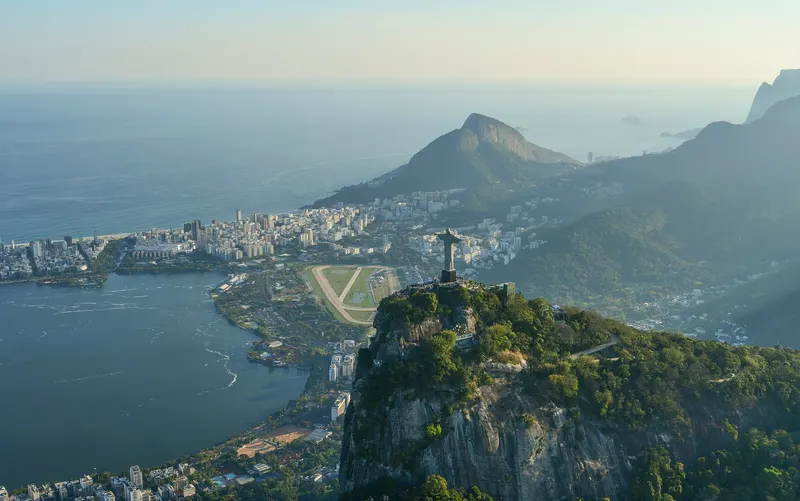
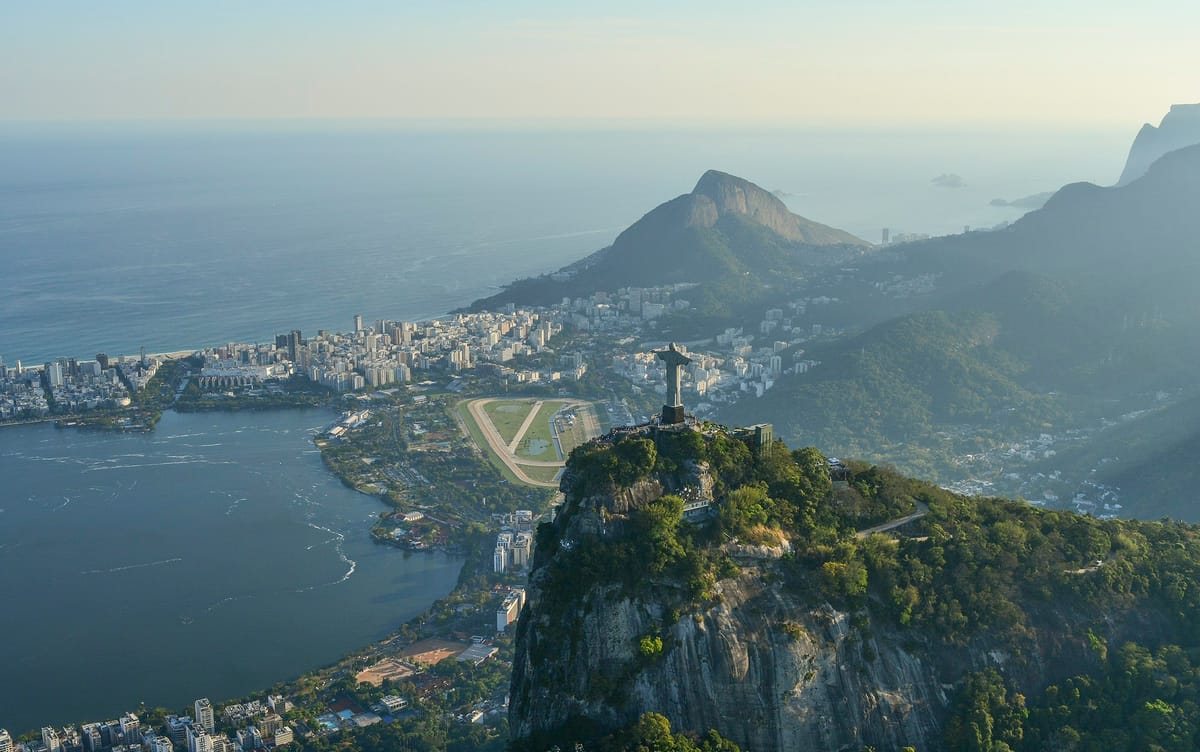
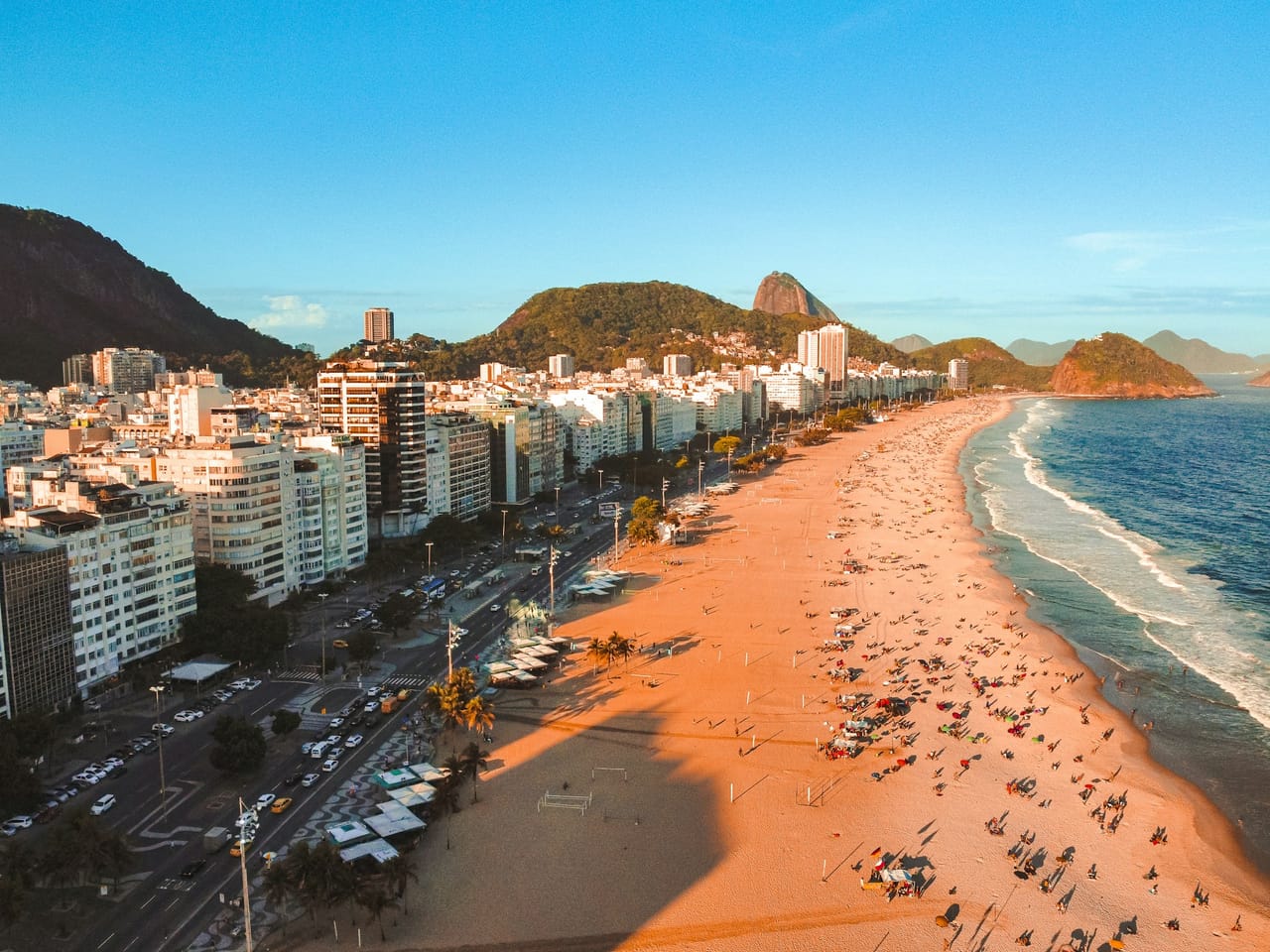
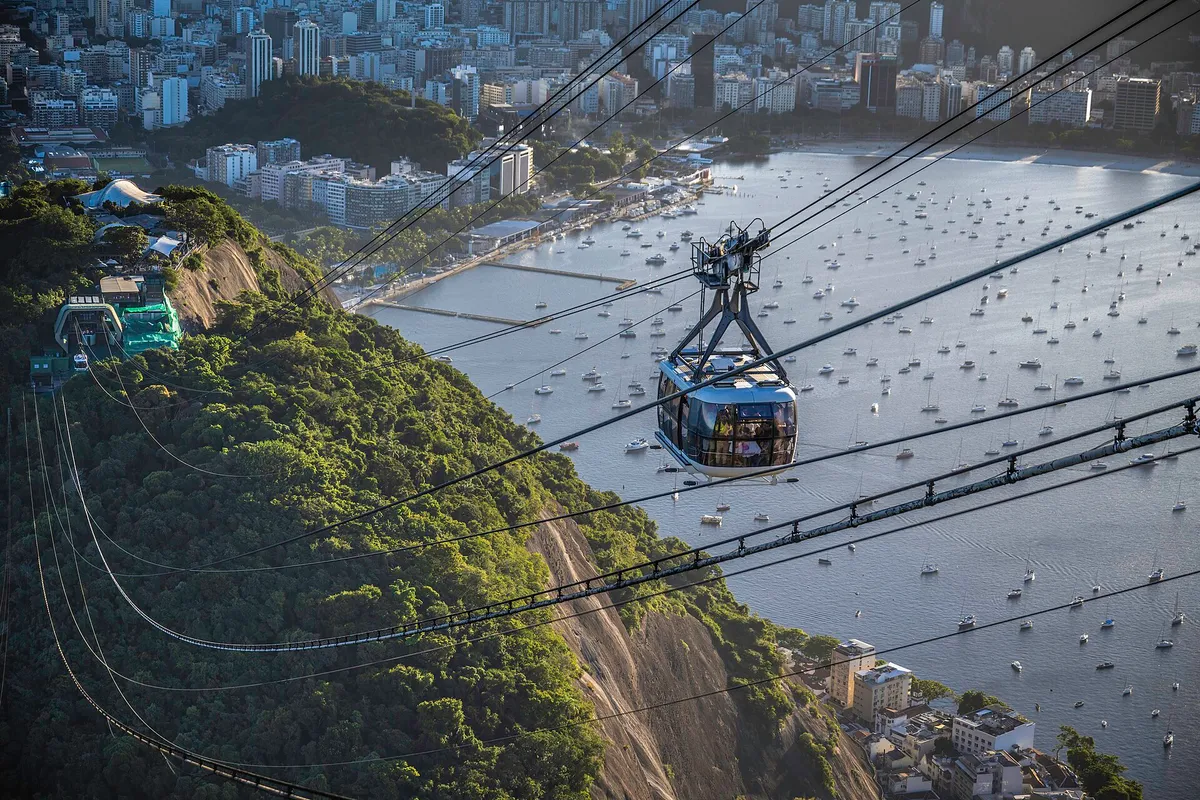
Mountains dropping into the sea, a giant statue with open arms and beaches that gave the world bossa nova: Rio is the Brazil most people picture, and it lives up to it. The icons are world famous, from Christ the Redeemer on Corcovado to the Sugarloaf cable car over Guanabara Bay, but the city is just as good at street level, in the cobbled lanes of Santa Teresa, on the Selarón Steps and under the arches of Lapa.
Rio is also our home. It is where we run our day tours every week, so it is the easiest place in Brazil for us to shape around your pace.
- Best for: first visits, city and beach in one place, famous sights, food and nightlife.
- Best time: rewarding all year. September to November and March to May are the most pleasant, with fewer crowds. December to February is hot beach season and busiest around Carnival.
- Time to allow: four to five days.
- Getting there: international flights land at Galeão airport (GIG); many domestic flights use Santos Dumont (SDU), right on the bay.
- Accessibility: Christ the Redeemer has panoramic lifts and escalators, and the Sugarloaf cable cars are step-free. We confirm exactly what works for each traveler.
- Pairs well with: Iguaçu Falls, Salvador or São Paulo.
See our Rio de Janeiro trips and day tours
Iguaçu Falls: 275 waterfalls on the border
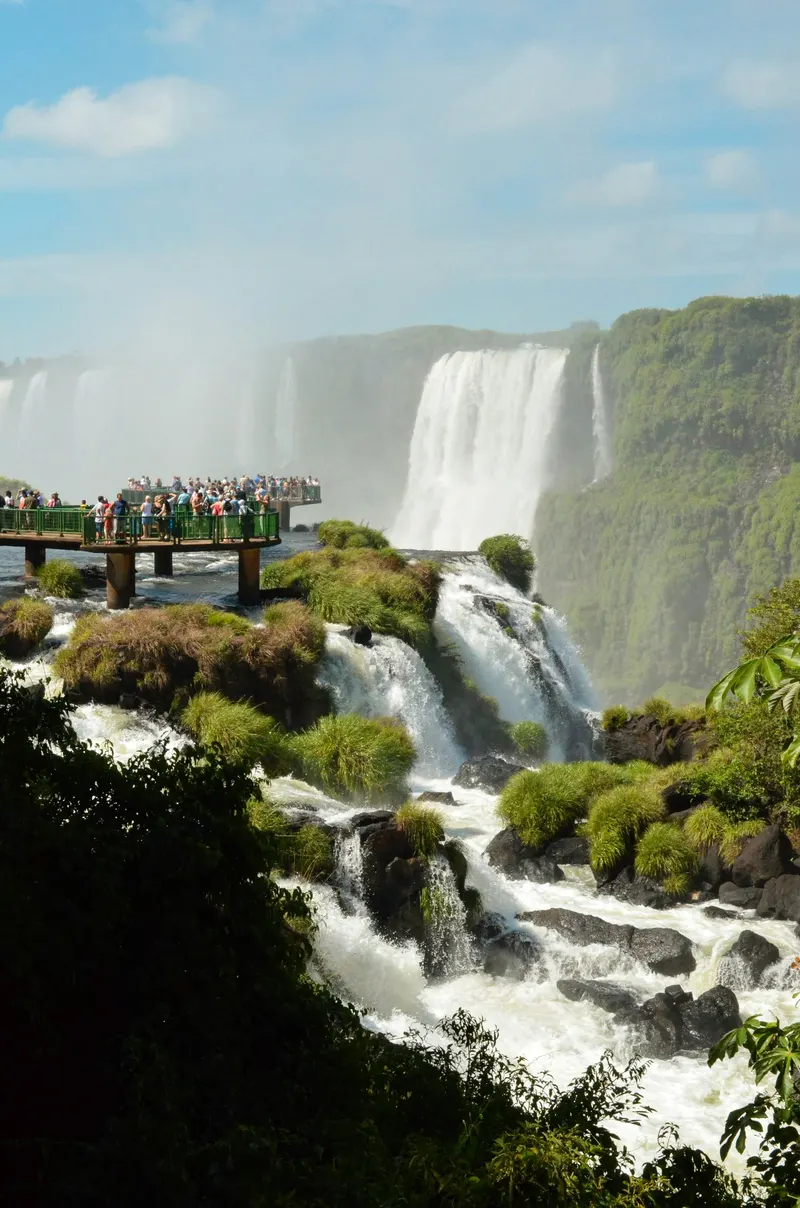
Iguaçu (Iguazu in Spanish) is not one waterfall but an arc of around 275 of them, taller and far wider than Niagara, set in subtropical rainforest on the border between Brazil and Argentina. The name means "big water" in Guaraní, and standing in the spray you understand why.
The two sides feel different. The Brazilian side gives you the great panorama, the whole sweep of falls in front of you, finishing on a walkway over the river. The Argentine side has longer trails that take you to the edge of the Devil's Throat. With two days you can see both, and add the Parque das Aves bird park or the Itaipu Dam.
- Best for: a natural wonder that is easy to reach, families and photographers.
- Best time: March to May and September to November. The falls are impressive all year and carry the most water in the rainy season, when heavy rain can briefly close trails.
- Time to allow: two days, or three at a slower pace.
- Getting there: fly to Foz do Iguaçu (IGU), about two hours from Rio or São Paulo. Bring your passport if you plan to visit the Argentine side, and check Argentina's entry rules for your nationality.
- Accessibility: the Brazilian walkways and viewing areas are largely step-free, among the most accessible natural attractions in Brazil. We confirm transport, lodging and routes for each traveler.
- Pairs well with: Rio de Janeiro, São Paulo or Florianópolis.
The Amazon: into the greatest rainforest on Earth
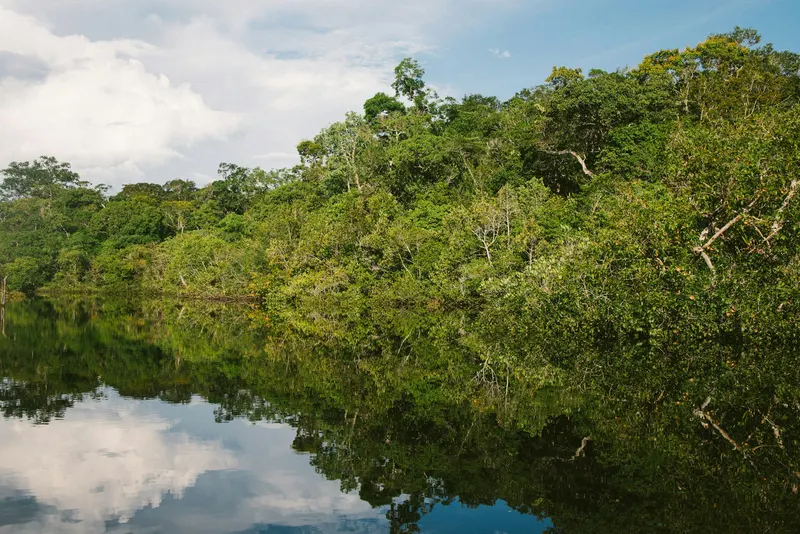
The Amazon is the largest rainforest on the planet, and a trip here is less about sights than about living for a few days in a completely different world. From the river city of Manaus you head out by boat to flooded forests, pink river dolphins, caimans spotted by torchlight and mornings full of birdsong.
The key decision is your base. A jungle lodge keeps you in one place with daily outings by canoe and on foot; a river boat carries you deeper into the forest while you sleep. Near Manaus, don't miss the Meeting of the Waters, where the dark Rio Negro and the sandy Solimões run side by side for kilometres before mixing, or the Teatro Amazonas, the opera house built during the rubber boom.
- Best for: rainforest immersion, river life and travelers happy with simple comforts.
- Best time: two seasons, two different trips. June to November is low water, with trails, river beaches and the easiest wildlife spotting. December to May is high water, when you canoe through the flooded forest among the treetops, with heavier rain.
- Time to allow: three to four nights at a lodge, plus a day in Manaus.
- Getting there: fly to Manaus (MAO), about four hours from Rio or São Paulo, then continue by road and boat to your lodge.
- Accessibility: lodges and boats vary widely. We vet and confirm accessible vessels, walkways and rooms for each traveler.
- Pairs well with: Rio de Janeiro, or the Pantanal for a wildlife trip.
The Pantanal: the best wildlife watching in the Americas

If seeing animals is the reason for your trip, the Pantanal is the answer. It is the largest tropical wetland on the planet, and because it is open country crossed by rivers rather than dense jungle, wildlife is out in plain sight: capybaras grazing in families, caimans lining the banks, giant river otters, hyacinth macaws and, along the rivers, jaguars.
Your days follow the animals. You go out by boat at dawn and dusk, when wildlife is most active, and stay at lodges set in the wetland itself. It is a trip for people who love nature and don't mind early starts.
- Best for: wildlife lovers and photographers, especially anyone hoping to see a jaguar.
- Best time: July to October, the dry season, when animals gather along shrinking rivers and jaguar sightings are best. Rains from January to March can cut access to some areas.
- Time to allow: three to four nights.
- Getting there: fly to Cuiabá (CGB) for the northern Pantanal or Campo Grande (CGR) for the south, then continue by road to your lodge.
- Accessibility: lodges and safari vehicles vary, and some terrain is rough. We are honest about what is workable and confirm it for each traveler.
- Pairs well with: the Amazon, Iguaçu Falls or Rio de Janeiro.
Salvador and Bahia: the soul of Afro-Brazilian culture
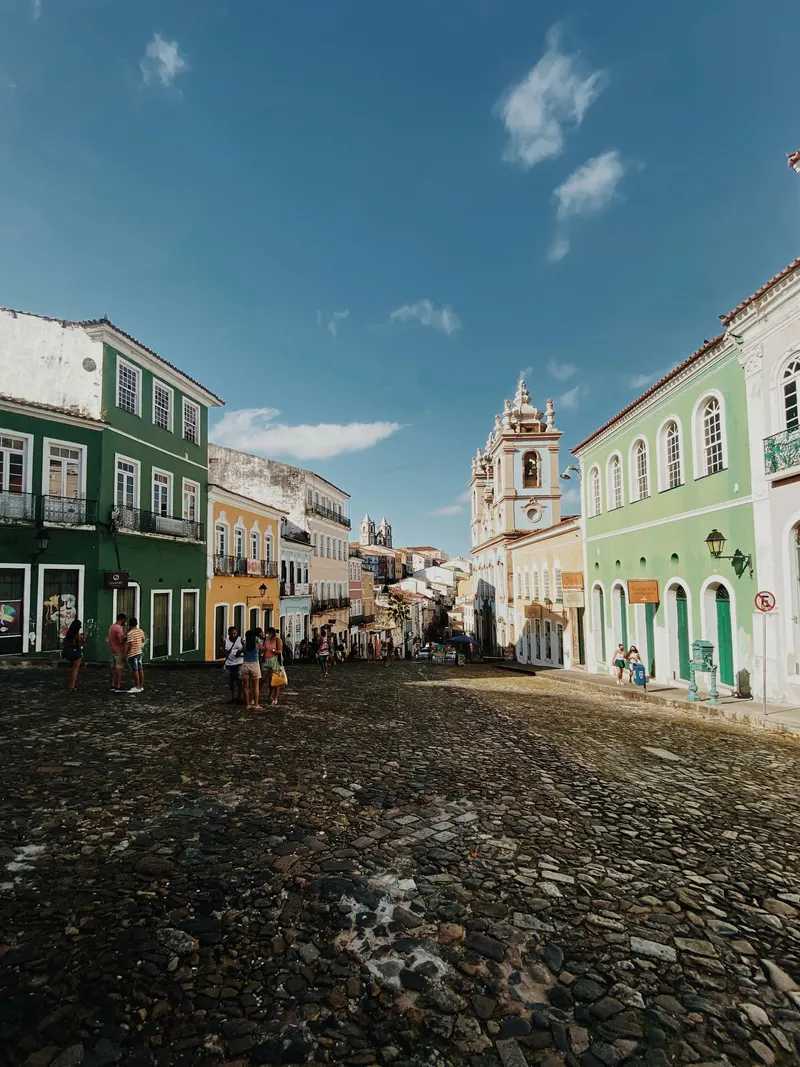
Brazil's first capital is its most soulful city. Salvador is the heart of Afro-Brazilian culture: capoeira circles in cobbled squares, drumming that echoes down pastel streets, and food you won't find anywhere else, from acarajé to moqueca cooked with dendê oil.
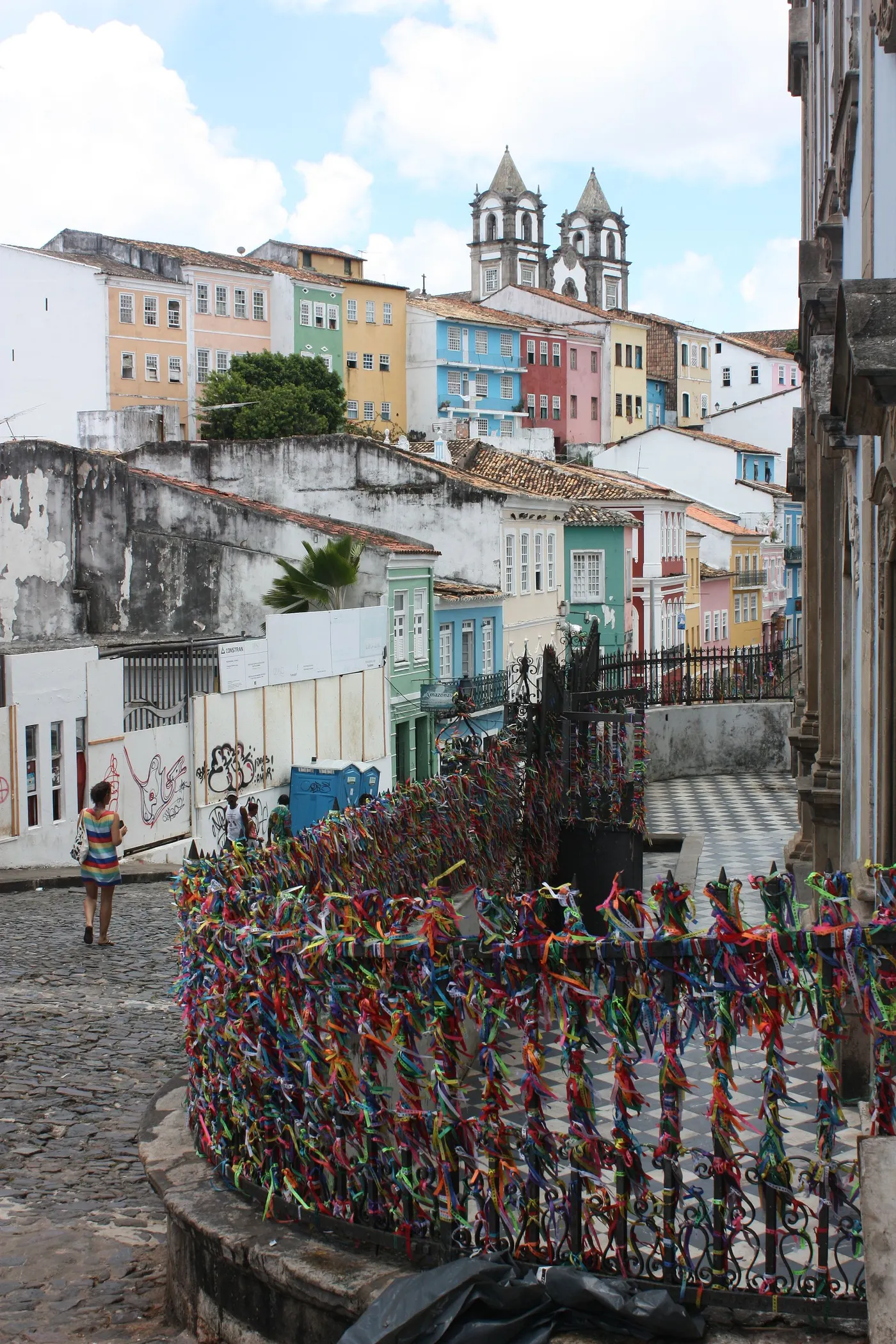
We guide you through the living history of the Pelourinho, ride the art deco Elevador Lacerda between the upper and lower city, and leave time for the beach at Porto da Barra. Salvador is also the gateway to the Bahia coast if you want a few slower days by the sea.
- Best for: culture, music, food and history, with beach time on the side.
- Best time: September to March, the sunniest months. The rainy season falls mainly between April and July. Carnival fills the streets in February or March, and the Festas Juninas light up June.
- Time to allow: three days in Salvador, more to explore the coast.
- Getting there: fly to Salvador (SSA), about two hours from Rio or São Paulo.
- Accessibility: the historic cobblestones are uneven. We plan accessible routes, transport and viewpoints around each traveler.
- Pairs well with: Rio de Janeiro or Lençóis Maranhenses.
See our Salvador and Bahia trips
Lençóis Maranhenses: white dunes and blue lagoons

It looks impossible: a vast expanse of brilliant white dunes and, cradled between them, thousands of rain-fed lagoons in shades of blue and green. Lençóis Maranhenses National Park in northern Brazil is one of the most surreal landscapes on Earth, and you can swim in it.
Timing matters more here than anywhere else in this guide, because the lagoons only exist once the rains have filled them. You reach the park by 4x4 from the town of Barreirinhas, walk across the dunes from lagoon to lagoon, stay for sunset and see some of the darkest night skies in Brazil.
- Best for: adventurous travelers, photographers and anyone chasing a landscape unlike anywhere else.
- Best time: June to September, when the lagoons are full. From October to February many lagoons can be empty.
- Time to allow: three days, including travel.
- Getting there: fly to São Luís (SLZ), then about four hours by road to Barreirinhas.
- Accessibility: the dunes are soft sand reached by 4x4, which is genuinely challenging terrain. We are honest about what is feasible and arrange the best possible experience for each traveler.
- Pairs well with: Salvador, as part of a trip to Brazil's Northeast.
See our Lençóis Maranhenses trips
São Paulo: Brazil's cultural capital
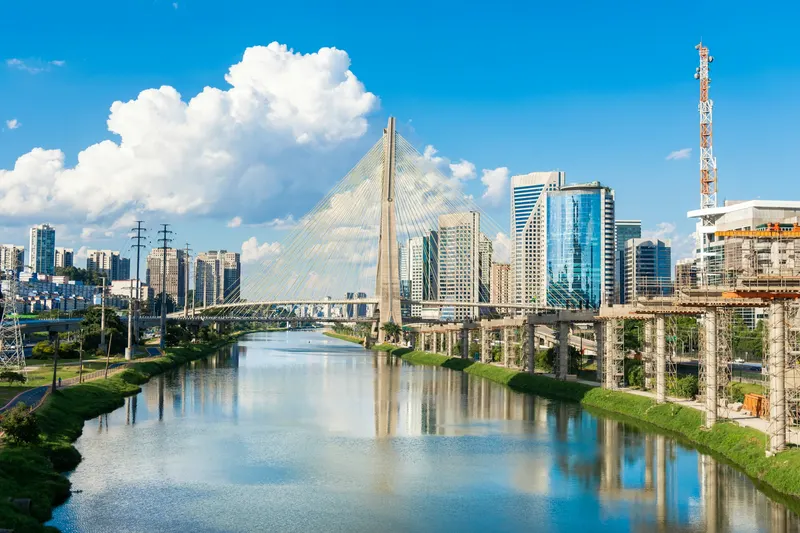
South America's biggest city is a feast for curious travelers. São Paulo has world-class museums, one of the most exciting restaurant scenes anywhere, street art down every alley and neighbourhoods with completely different personalities. It is less about postcard views and more about what you eat, see and discover.
Highlights include MASP, the museum that seems to float above Avenida Paulista, the Mercadão municipal market and its famous mortadella sandwiches, the street art of Beco do Batman and Oscar Niemeyer's buildings in Ibirapuera Park.
- Best for: food lovers, art and museums, and city breaks.
- Best time: good all year. March to May and August to November are the most pleasant; summer brings warm days and afternoon rain.
- Time to allow: two to three days.
- Getting there: international flights arrive at Guarulhos (GRU), and Rio is about an hour away by air.
- Accessibility: São Paulo has Brazil's most developed accessible transport and many step-free museums. We confirm the details for each traveler.
- Pairs well with: Rio de Janeiro, Iguaçu Falls or Florianópolis.
Florianópolis: the island of 42 beaches
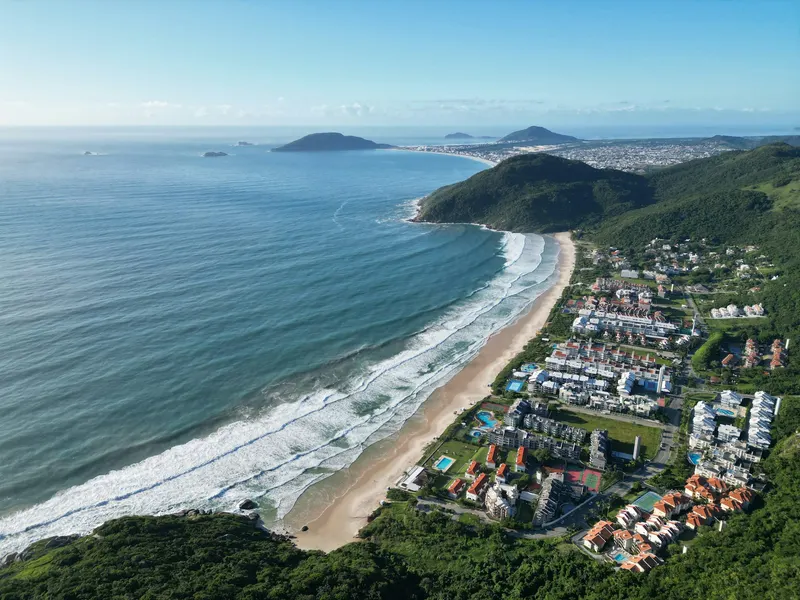
Down in Brazil's south, Florianópolis, or Floripa as Brazilians call it, is an island with 42 beaches: surf breaks and calm bays, a lagoon at its heart, sand dunes, coastal trails and some of the freshest seafood in the country. It feels relaxed and outdoorsy, a different side of Brazil from the big cities.
Spend your days surfing at Joaquina or Mole, swimming in the calmer bays, eating and going out around Lagoa da Conceição, and walking the headlands to hidden coves.
- Best for: beach lovers, surfers, families and anyone who wants to slow down.
- Best time: November to March for beach weather, with January and February the busiest and priciest. Spring and autumn are quieter, and winter is cool and good for trails.
- Time to allow: three to four days.
- Getting there: fly to Florianópolis (FLN), about an hour and a half from Rio or São Paulo.
- Accessibility: some beaches have adapted access points. We confirm accessible transport, stays and beaches for each traveler.
- Pairs well with: São Paulo, Iguaçu Falls or Rio de Janeiro.
How to combine destinations
Brazil's distances are real. Most of these places are a flight apart, and each move takes most of a day once you count transfers, so two destinations suit a week, three suit ten days and four is plenty for two weeks. Routes that work well:
- One week: Rio de Janeiro (four days) and Iguaçu Falls (two to three days).
- Ten days: Rio, Iguaçu Falls and Salvador. For more beach time, swap Salvador for Florianópolis.
- Two weeks: Rio, Iguaçu Falls, the Amazon or the Pantanal, and Salvador.
- Wildlife focus: the Pantanal and the Amazon, finishing at Iguaçu Falls.
- The Northeast: Salvador and Lençóis Maranhenses, ideally in August or September, when the lagoons are still full and Salvador's rains have passed.
Which destinations work in which months
- December to March: summer. Beach season in Rio, Florianópolis and Bahia, with Carnival in February or March. High water in the Amazon; rains can limit access in the Pantanal.
- April and May: a lovely shoulder season for Rio, Iguaçu Falls and São Paulo, with fewer crowds.
- June to September: the lagoons of Lençóis Maranhenses are full, the Pantanal dry season begins in July, and the Amazon moves into low water. The south is cooler.
- September to November: one of the best times for Rio, Iguaçu Falls and São Paulo. The Pantanal stays excellent through October, and Salvador turns sunny.
Still not sure where to go?
That is completely normal, and it is exactly what we help with. Answer a few quick questions on our Plan my trip page and our Rio-based team will suggest the destinations and route that fit your dates, pace and interests. You can also start right away with our AI trip planner.
Prefer to talk it through? Message our team on WhatsApp and tell us what kind of trip you have in mind.
Plan my trip on WhatsAppImage credits: Arian Zwegers / CC BY 2.0, via Wikimedia Commons. Other photos via Unsplash.