Trip in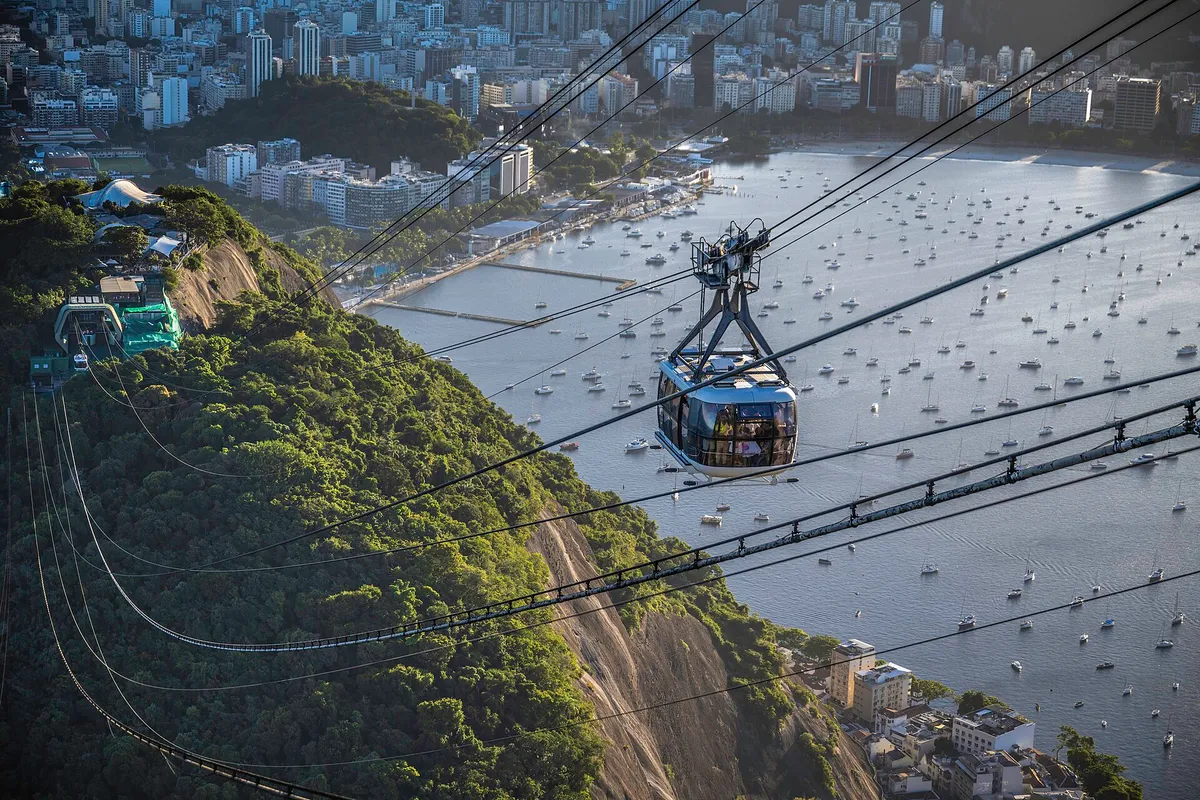
Ask ten well-travelled friends for the best time to visit Brazil and you'll get ten confident, contradictory answers, and the maddening thing is they may all be right. This is a country that brushes the Equator in the north and crosses the Tropic of Capricorn in the south, a landmass so vast that when it's pouring in Manaus it can be bone-dry in the Pantanal, and a frosty winter morning in the southern hills coincides with sweat-soaked beach afternoons in Recife.
There is no single answer. There's only the right answer for your Brazil, the one shaped by where you want to go and what you want to feel. So let's build it together, month by month, region by region, with the kind of local detail that turns a good trip into the trip you'll bore everyone about for years.
I write this from Rio, where the rhythm of the year is written in the sky and the sea, and where we've spent a long time learning the difference between when the brochures say to come and when you'll actually have the best day of your life. Let's start with the one thing that explains almost everything.
Why Brazil's seasons are upside down (and sideways)
Here is the foundation, and once it clicks, the whole calendar makes sense. Brazil sits almost entirely in the Southern Hemisphere, so the seasons are inverted relative to Europe and North America. Brazilian summer runs roughly December to March; winter runs roughly June to September. When New York is shovelling snow, Rio is at its hottest. When London is having a heatwave, São Paulo wants a jacket in the evening.
But "summer and winter" barely scratches it, because much of Brazil is tropical, and the tropics don't really do four seasons. They do wet and dry. Near the Equator, the meaningful question isn't "is it warm?" (it almost always is) but "is it raining?" That single distinction reshuffles the Amazon, the Pantanal, and the northeast far more than any thermometer. So when you plan, hold two ideas at once: the hemisphere flip for the temperate south, and the wet–dry cycle for the tropical north and centre.
Brazil isn't a country with a season. It's a continent wearing several at once.
Get this right and you can chase an endless summer, or deliberately seek the cool. If you're just starting to map out your route, our guide to a 2-week itinerary pairs neatly with the timing below, and you can always plan a trip around the exact window that suits you.
Not sure which month fits your dream Brazil route? Tell us where you want to go and we'll pinpoint the perfect window.
Plan my trip on WhatsAppRio de Janeiro: summer fire vs. winter gold
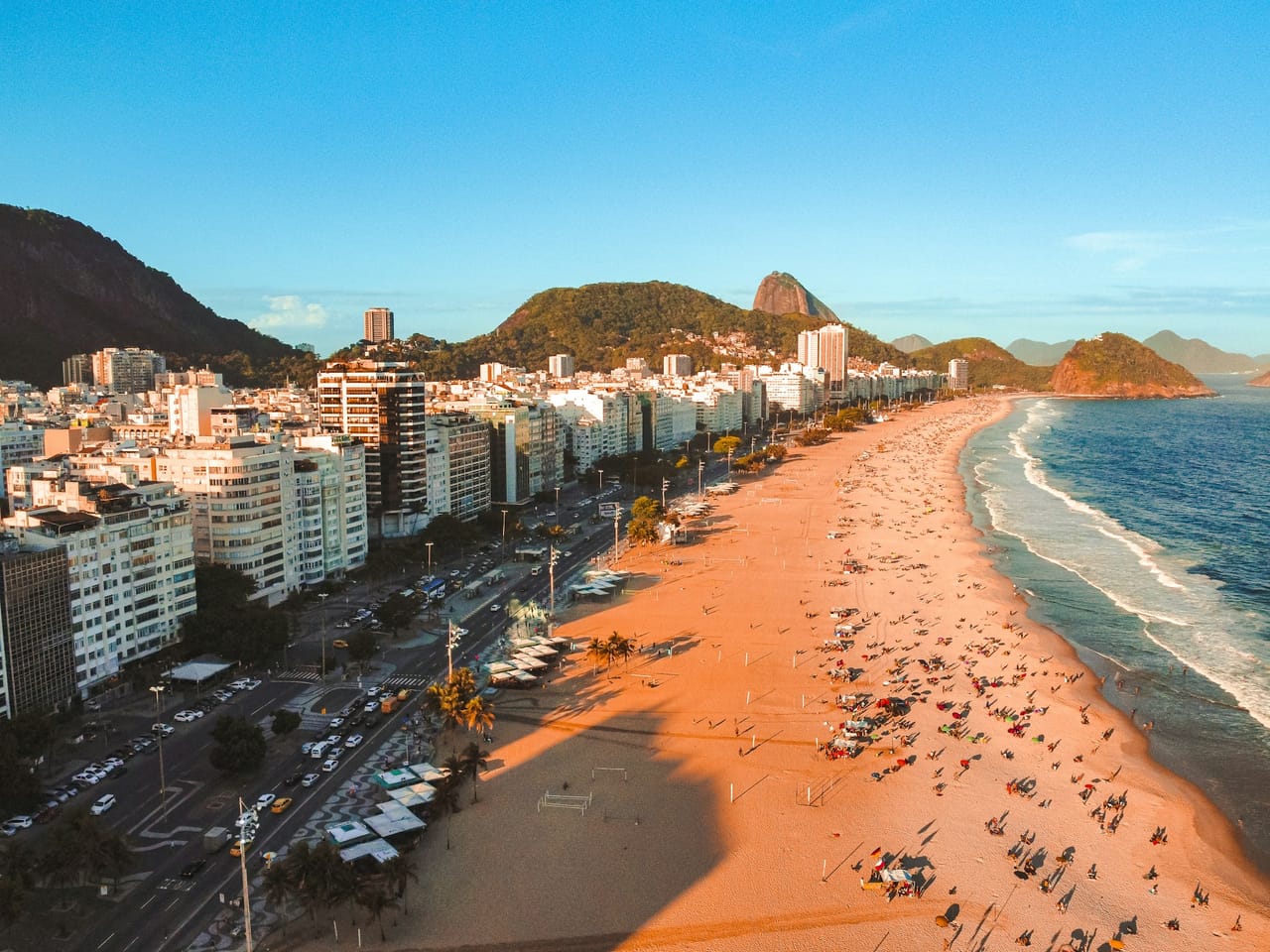
Rio has two faces, and locals quietly prefer the one tourists overlook. Summer (December to March) is the postcard: long, blazing days, the beaches at Copacabana and Ipanema thrumming with bodies, vendors singing out "olha o mate, olha o biscoito Globo," the smell of coconut sunscreen and grilled queijo coalho drifting on the salt air.
It is gorgeous and it is intense. Temperatures regularly push into the mid-30s Celsius, humidity hangs heavy, and on the hottest afternoons the city issues heat alerts. This is also peak crowd and peak price, especially across the Christmas–New Year–Carnival corridor.
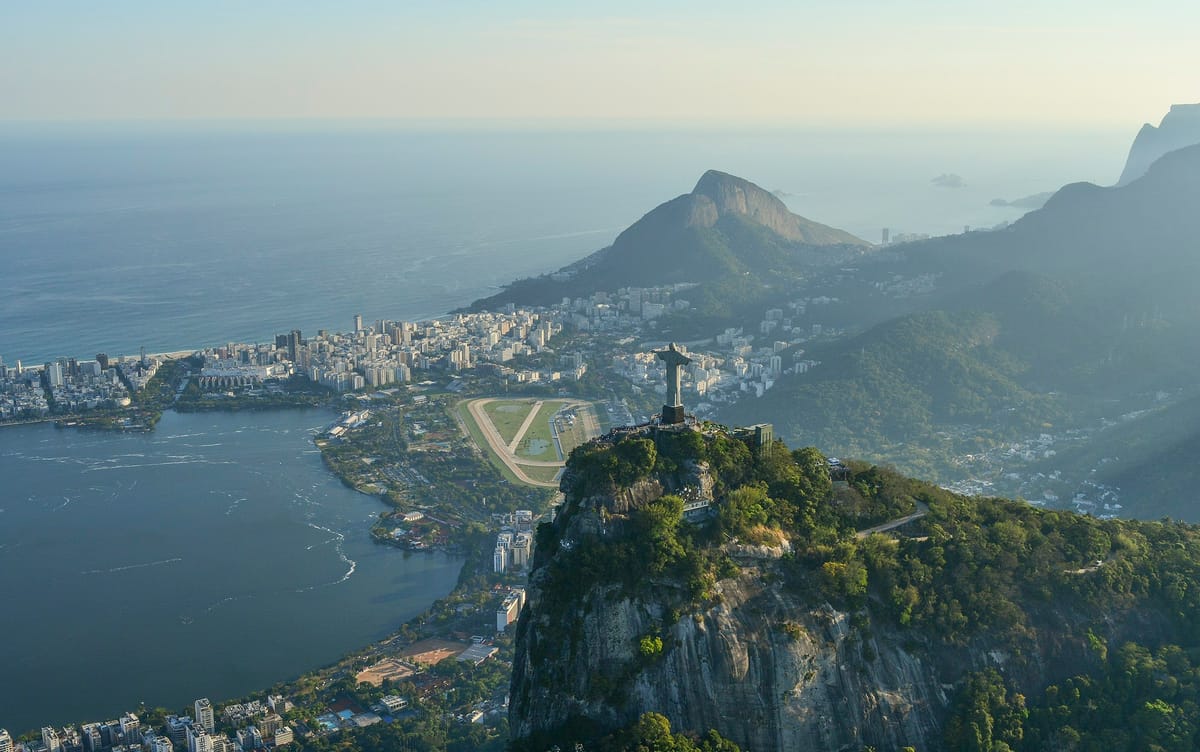
Now the secret. Rio's winter (roughly June to August) is, for many of us who live here, the best-kept timing in the country. The air turns clear and dry, skies go a hard, brilliant blue, the suffocating humidity lifts, and the views from Christ the Redeemer and Pão de Açúcar stretch for impossible distances. Daytime temperatures often sit in the comfortable mid-20s, perfect for the long walks, hikes and viewpoints that summer heat makes brutal. The beaches are quieter, the cariocas still swim, and the city feels like it exhales.
Insider tip
For the cleanest, longest-distance views from Pão de Açúcar or Corcovado, go in the dry winter months and ride up in the first hour after opening, before the haze and the tour buses build. The light at that hour is also far kinder to photos than harsh midday sun.
Whenever you come, plan your viewpoint days around the weather, not your itinerary, and keep them flexible. For a deeper dive into how to fill those days, see our full guide to things to do in Rio, and if you want a local to handle the logistics, our Rio day tours are built around exactly this kind of timing.
The Amazon: the genius of high water vs. low water
The Amazon doesn't have summer and winter so much as it has high-water and low-water seasons, and choosing between them is one of the most consequential timing decisions in all of South America, because they are almost two different ecosystems.
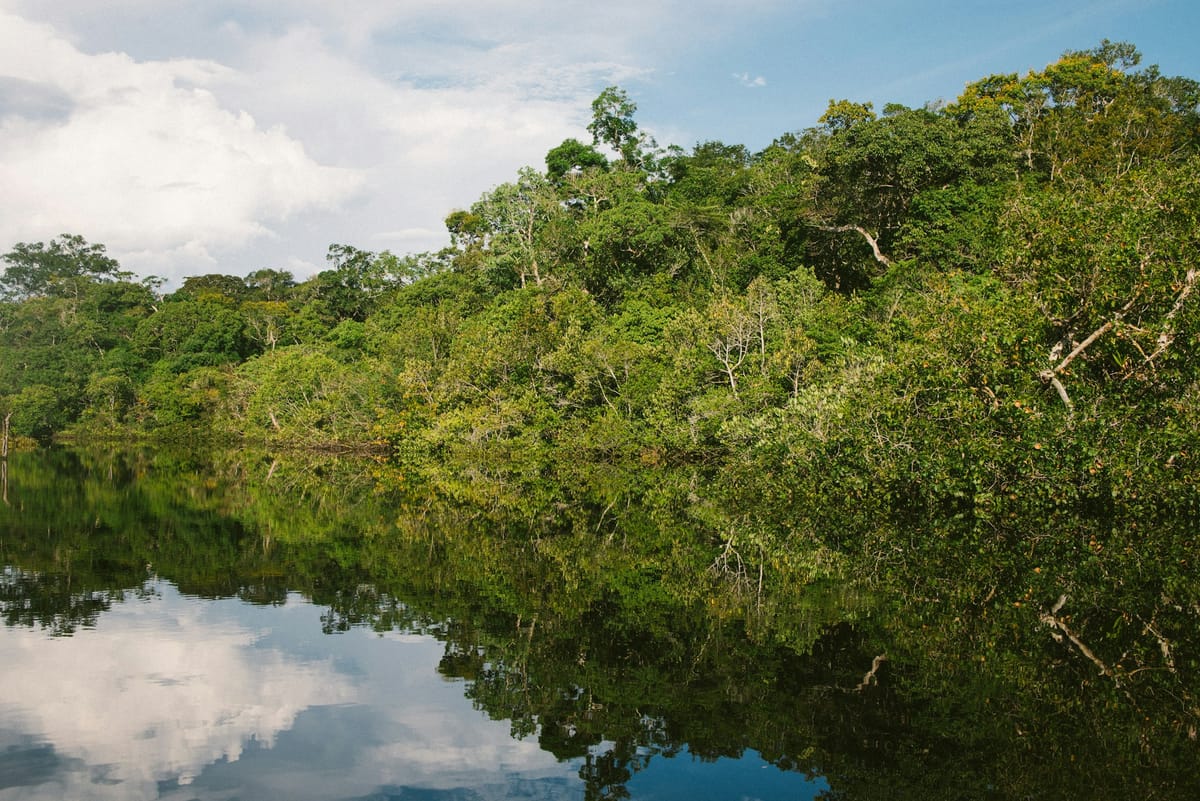
High-water season (broadly the rainier months, around December to May, peaking mid-year in some areas) floods the forest. The river can rise enormously, drowning the lower forest into a flooded world called the igapó, where you canoe silently between the treetops. Wildlife concentrates in the canopy, fish disperse into the trees, and the whole forest takes on a mirror-calm, otherworldly stillness. It's magical, and it's the romantic Amazon of the imagination.
Low-water season (broadly the drier months, around June to November) is the opposite proposition and, for many travellers, the better one. As the waters drop, white-sand river beaches emerge, hiking trails through the forest floor open up, fish crowd into shrinking pools (which means better fishing and better fish-eating wildlife), and the receding water concentrates animals along the banks. Mosquitoes are generally less of a problem on the main "blackwater" rivers near Manaus, whose tannin-stained water is naturally less hospitable to them.
Insider tip
Neither season is "wrong." If you dream of gliding a canoe through a flooded forest, come at high water. If you want to hike, lounge on river beaches and maximise riverbank wildlife sightings, come at low water. Decide which Amazon you want before you book the lodge, because the experience genuinely changes.
One more thing worth knowing: even in the "dry" season this is still rainforest, and a short, dramatic afternoon downpour is part of the deal year-round. Pack for rain regardless. For the full picture, read our guide to visiting the Amazon rainforest.
High water or low water in the Amazon? It completely changes your trip. Let's match the season to the experience you're after.
Plan my trip on WhatsAppThe Pantanal: the world's best wildlife window
If seeing wildlife, real, dense, cinematic wildlife, is high on your list, the Pantanal in the dry season (roughly June to October) may be the single best-timed decision in Brazilian travel. The Pantanal is the planet's largest tropical wetland and, for sheer concentration of visible animals, it outshines the more famous Amazon. During the dry months the receding water forces everything to gather around the remaining rivers and pools.
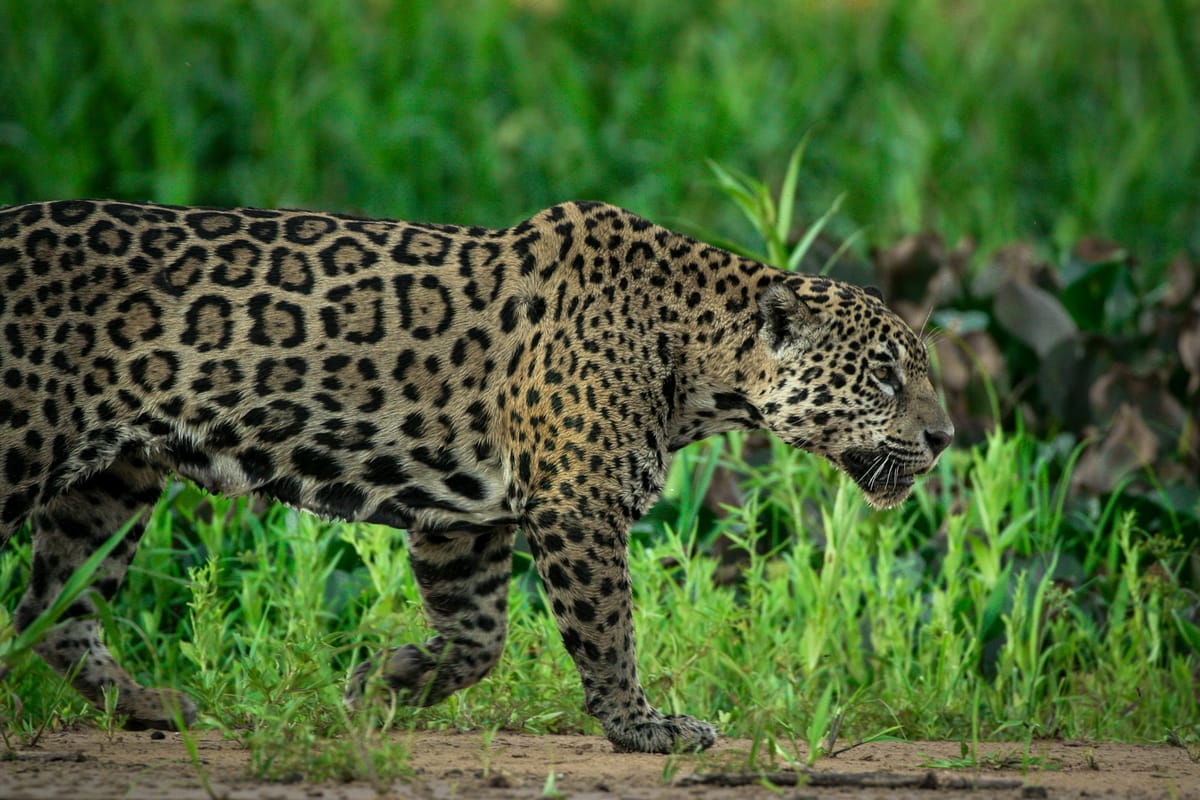
This is when the Pantanal earns its reputation as the best place on Earth to see wild jaguars, particularly along the rivers of the northern Pantanal toward the end of the dry season. You'll also see capybaras lounging in herds, caimans stacked along the banks, giant otters, hyacinth macaws, and an almost comical density of birds.
The wet season (roughly November to March) floods the plains into a vast inland sea; it's lush, dramatic and important for breeding, but the animals disperse across the water and roads can become impassable, so it's far harder for wildlife viewing.
Insider tip
For jaguars specifically, aim for the heart and tail end of the dry season, when water levels are lowest and the cats hunt openly along exposed riverbanks. Early morning and late afternoon river outings are when the magic happens, midday heat sends everything into the shade.
Iguaçu Falls: chasing the water (and dodging it)
Iguaçu Falls, on the border between Brazil and Argentina, is spectacular year-round, but the experience shifts with the water level. The falls are generally fullest and most thunderous after the summer rains, roughly December to March, when the volume is staggering and the spray rises in clouds. The trade-off is that extremely high water can occasionally close the walkways closest to the Devil's Throat, and heavy spray can shroud the panoramas.
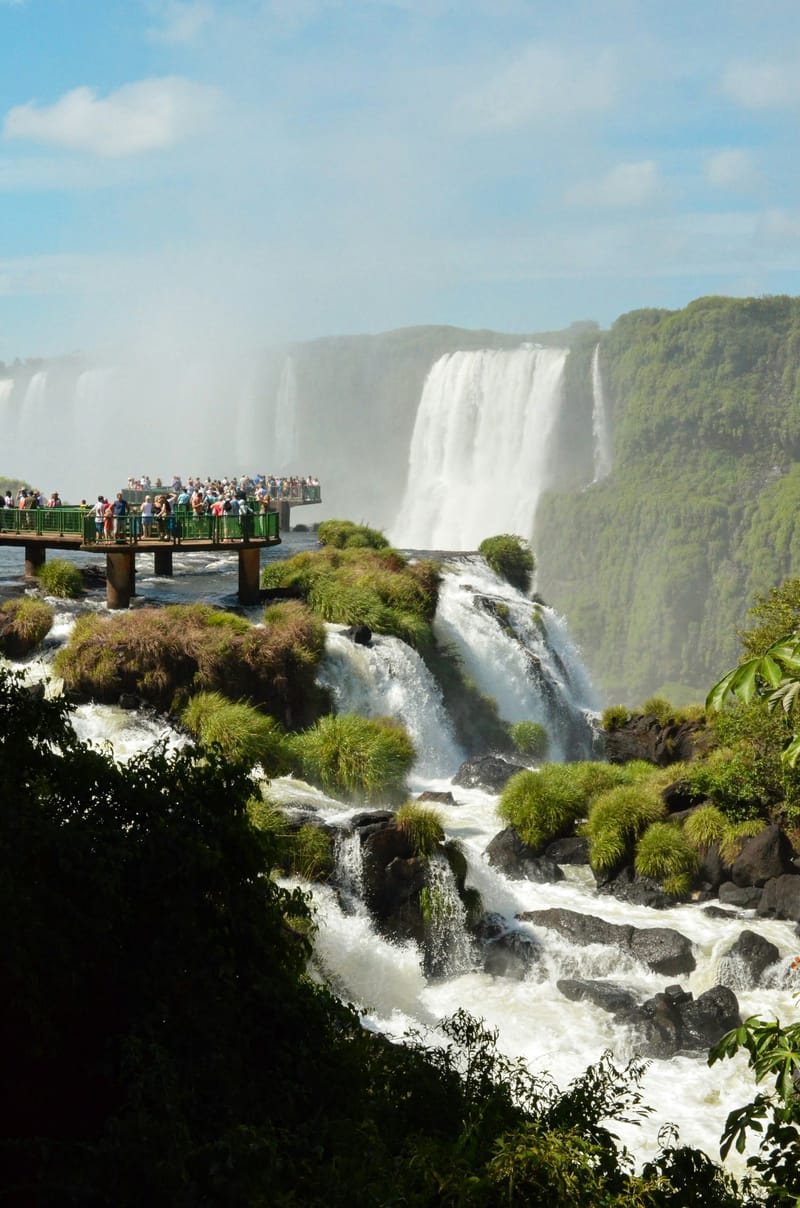
The cooler, drier months around May to August usually bring lower water, clearer air, more comfortable walking weather and better long-distance photography, though in a serious drought year the flow can drop dramatically. There's no bad time, but if your heart is set on raw, overwhelming volume, lean toward the rainy summer; if you want comfortable temperatures and crisp photos, lean toward winter. Note the spelling locals use, Iguaçu, and remember the Brazilian side gives you the grand panoramic view while the Argentine side puts you right on top of the water.
Lençóis Maranhenses: the desert that fills with sky
This is the trip almost nobody plans correctly, and timing is everything. Lençóis Maranhenses in the northeast is a vast field of brilliant white sand dunes, and for part of the year it looks like an ordinary desert. Then the rains come, the dunes sit on an impermeable layer, and thousands of crystalline rain-fed lagoons form in the valleys between them, turquoise and emerald pools cradled in white sand under a huge sky.

The lagoons fill during the regional rainy season and are typically at their fullest and most photogenic in the period around May to August, after the rains have filled them but before the dry-season sun shrinks them away. Come in the wrong months and you'll find half-empty pools, or arrive too early and the lagoons haven't formed yet.
This is a place where a few weeks make the difference between a once-in-a-lifetime sight and a long drive to a sandy disappointment. The lagoons are warm, shallow and swimmable, and the late-afternoon light here is some of the most beautiful in Brazil.
The northeast coast: nearly endless summer
From Salvador up through Maceió, Recife, Natal and Fortaleza, the northeast coast is the closest thing Brazil has to year-round warmth. Sitting near the Equator, it stays hot all year, and sea temperatures are gloriously bath-like. The main thing to track is the rainy season, which on much of the eastern northeast coast tends to fall around autumn and winter (roughly April to July), the inverse of what Northern Hemisphere visitors expect.
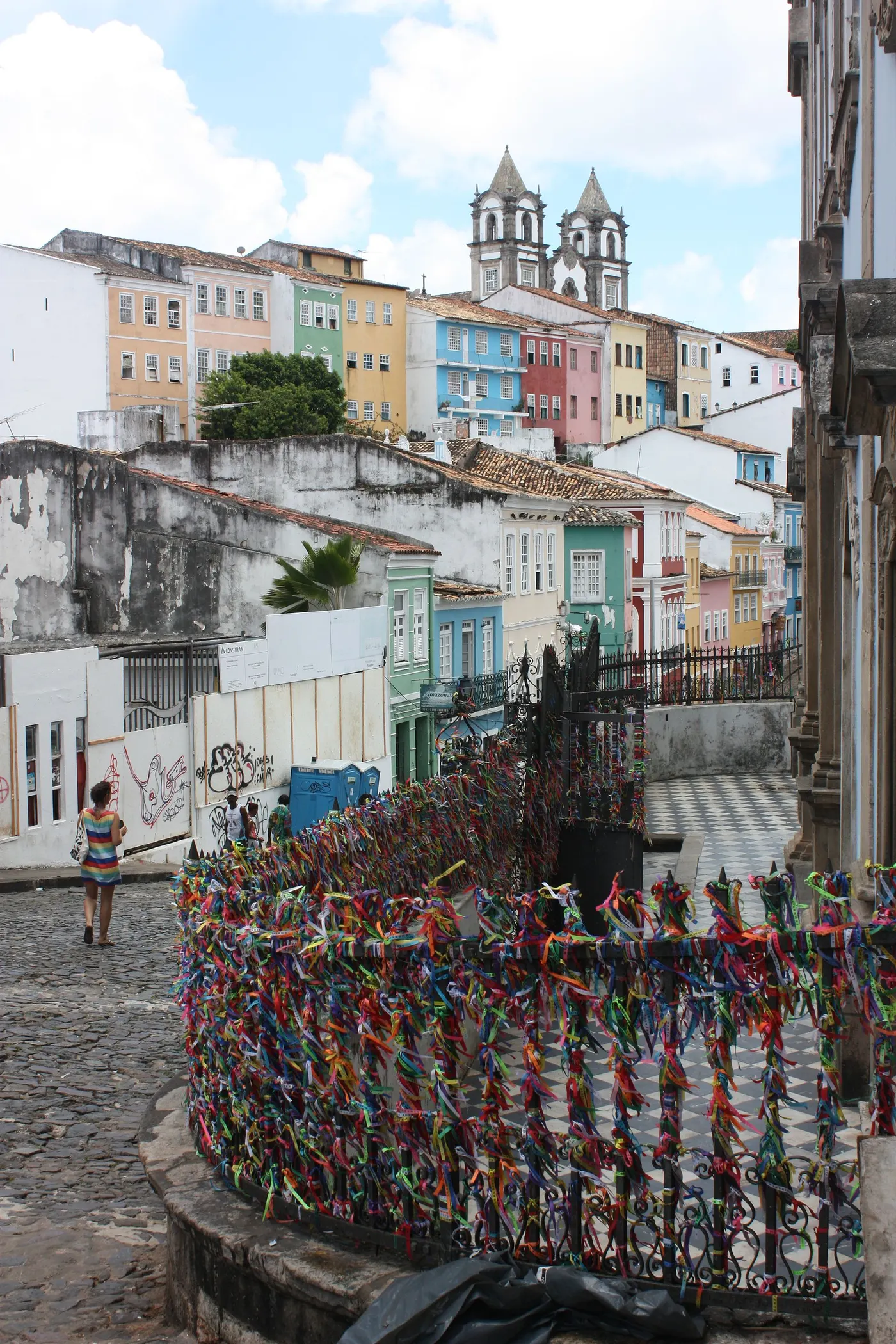
For reliably sunny beach weather, the September to March window is generally the safe bet across most of the region, though microclimates vary a lot, the dunes-and-lagoons interior of Ceará, for instance, follows a different rhythm to coastal Bahia. Salvador, the soulful capital of Afro-Brazilian culture, is worth timing around its calendar of street celebrations, and its old town glows in the dry-season light. For the food alone, the northeast deserves its own trip; our guide to Brazilian dishes to try will have you hunting moqueca and acarajé before you land.
The cooler south: Brazil's surprise winter
Here's a fact that startles first-timers: parts of southern Brazil get genuinely cold, and it can even snow in the high country of the southernmost states. São Paulo, Curitiba, Florianópolis, Porto Alegre and the mountain towns of the Serra Gaúcha have real, four-season climates. Winter (June to August) brings crisp, jacket-and-fireplace weather, and the highland towns lean into it with fondue, mulled wine and a distinctly European, Italian-and-German-influenced atmosphere.
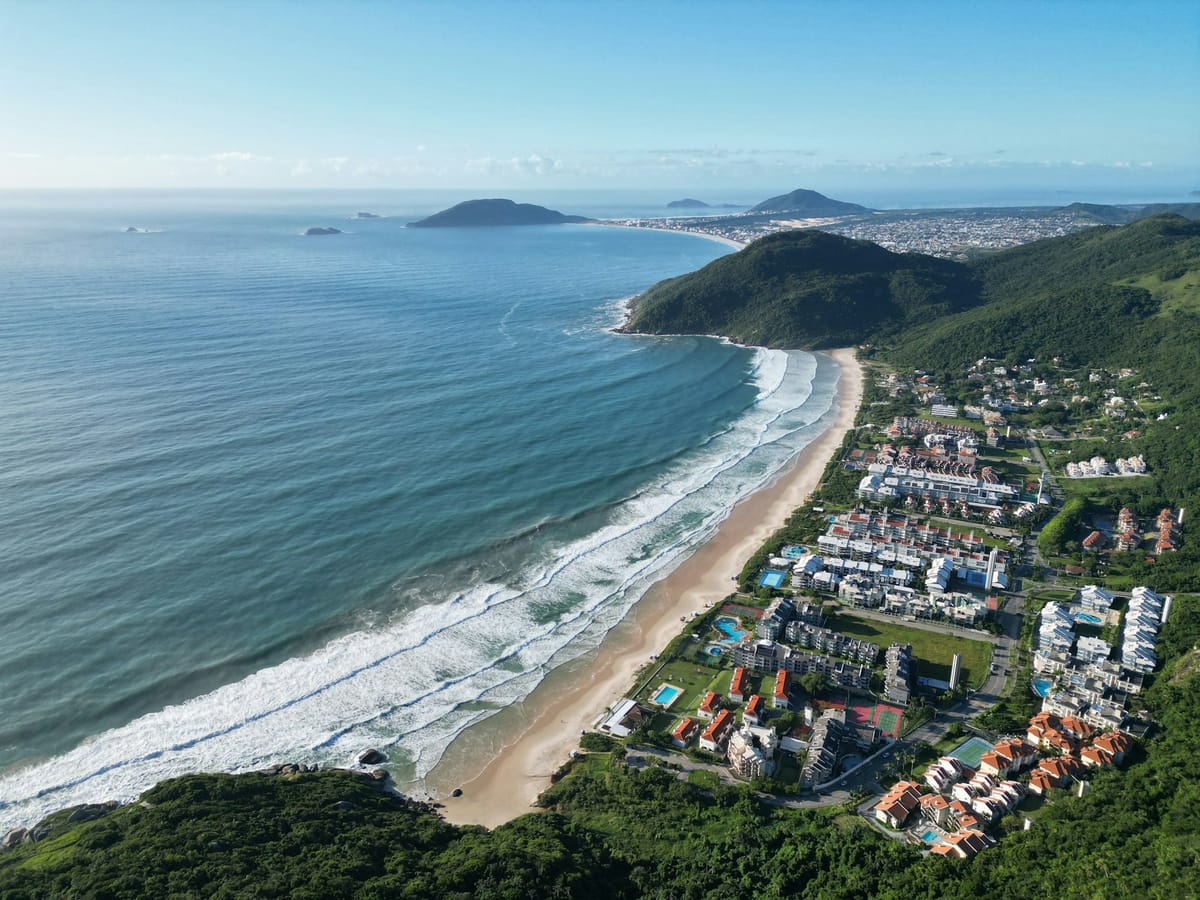
For beaches in the south, around Florianópolis and Santa Catarina, come in the warm summer months (December to March) when the water is swimmable and the island buzzes. For the highlands and wine country, winter is the romance season. The south is also where you'll find some of Brazil's most distinct European heritage, descendants of Italian and German immigrants who shaped whole towns, which brings us neatly to the festival that proves it.
Brazil's festival calendar: planning around the party
Festivals can be the whole reason to choose a month, and Brazil has world-beaters. A few you should know:
Carnival, the date that moves
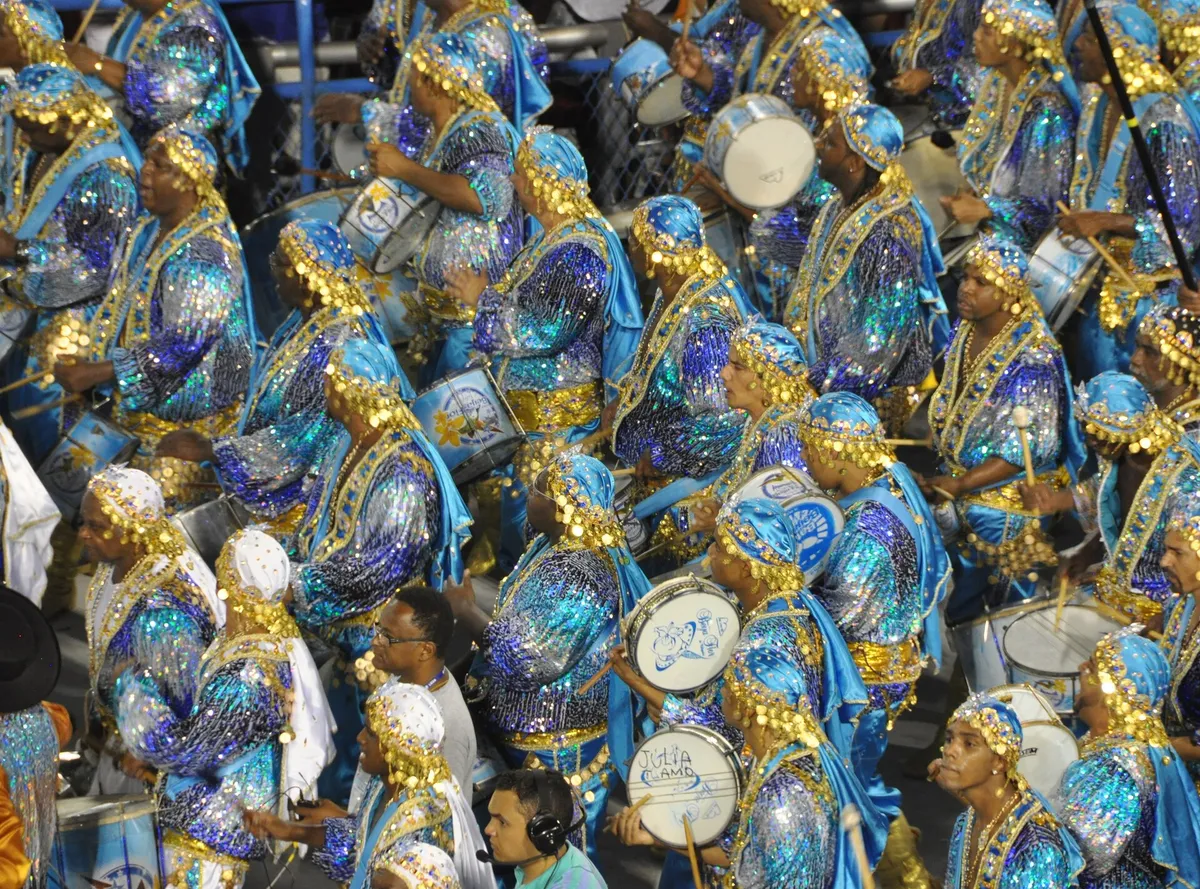
The most important thing about Rio Carnival is that it has no fixed date. It's tied to the Christian calendar, falling in the days before Lent, which means it lands somewhere in February or early March depending on the year. Always check the exact dates before booking anything, because the entire country shifts gears, flights and hotels fill and prices peak. Carnival is celebrated nationwide, and many connoisseurs argue the street Carnivals of Salvador and Recife/Olinda rival Rio's famous Sambadrome parades for raw, joyful intensity.
Insider tip
If you want Rio at its liveliest but Carnival crowds and prices feel like too much, aim for the weeks just before or after. You'll catch the build-up energy, the rehearsals and street parties, the city humming with anticipation, without paying peak rates or fighting for every restaurant table.
Festa Junina, the cosiest month
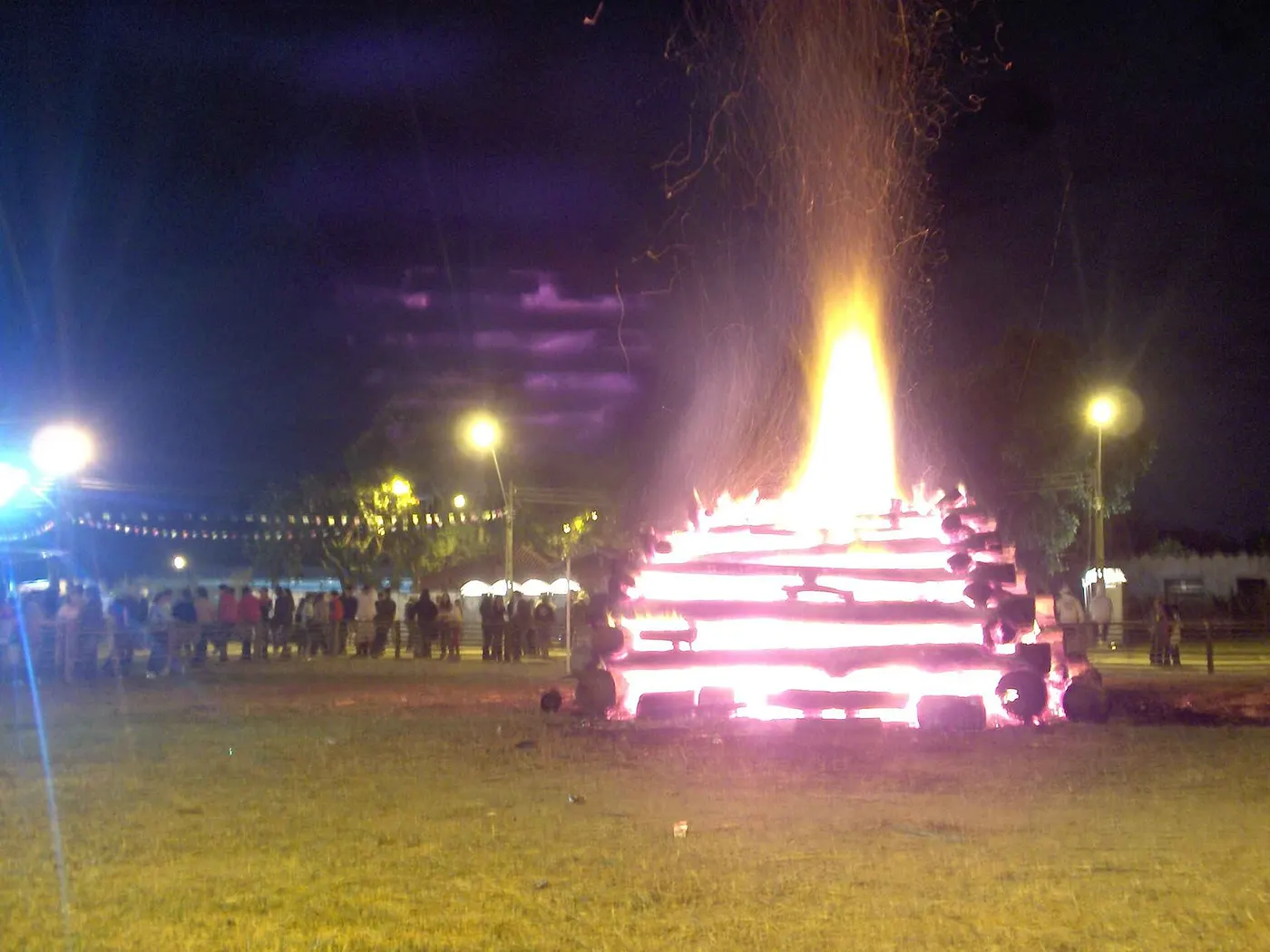
Throughout June, Brazil celebrates the June Festivals, with bonfires, country dancing (the quadrilha), checked shirts, mulled wine and corn-based treats in honour of saints' days. It's huge across the northeast in particular and is one of the most charming, least touristy windows to experience everyday Brazilian culture, especially lovely because it coincides with the pleasant dry season in Rio and the southeast.
Réveillon, New Year on the sand
Brazilian New Year's Eve (Réveillon) is spectacular, and Rio's Copacabana hosts one of the largest celebrations on the planet, millions gathering on the sand for fireworks over the sea. The custom is to wear white for peace and luck, and many people jump seven waves while making seven wishes, an Afro-Brazilian tradition honouring Iemanjá, goddess of the sea. Bring flowers to offer the ocean if you want to do as the locals do.

The regional gems
Two more for the curious. The Parintins Folklore Festival, held each June on an island in the Amazon, is a thunderous, operatic competition between two teams (Garantido and Caprichoso) staged in a purpose-built arena, one of the great spectacles of the interior. And in the south, Blumenau's Oktoberfest in Santa Catarina, held around October, is one of the largest German-style beer festivals in the world outside Germany, a direct legacy of the region's German immigration.
Month by month: the quick-fire cheat sheet
Tie it all together with a rough month-by-month read. Treat these as smart defaults, not guarantees, weather varies year to year.
- January: Peak Rio summer, hot beaches, big crowds. High water building in the Amazon. Hot and lush almost everywhere.
- February: Carnival often lands here, book far ahead. Summer heat at its peak in the southeast.
- March: Summer winding down, Iguaçu still full, crowds easing after Carnival. A good shoulder window.
- April: Pleasant shoulder season in the southeast; rains beginning on parts of the northeast coast.
- May: Lovely, underrated. Dry season starting in the Pantanal; comfortable Rio weather; good Iguaçu walking.
- June: Festa Junina nationwide, Parintins in the Amazon, crisp dry Rio winter, Pantanal dry season opening.
- July: Prime time, peak wildlife in the Pantanal, Lençóis lagoons filling, clear winter skies in Rio. Also a domestic holiday month, so popular spots fill.
- August: Excellent dry-season everything, jaguars in the Pantanal, brilliant Rio views, full Lençóis lagoons.
- September: A sweet spot, tail of the Pantanal dry season, Lençóis still good, beaches warming, fewer crowds.
- October: Beach season returning, Blumenau Oktoberfest, low-water Amazon, generally great value.
- November: Warming up, fewer tourists, good shoulder value before the December surge.
- December: Summer returns, Réveillon on Copacabana, prices and crowds climbing toward the holiday peak.
Crowds, prices and how to time it like a local
Two windows dominate the crowd-and-price calendar: the summer holiday peak (mid-December through Carnival) and the July domestic holidays, when Brazilian families travel and popular destinations fill. If your dates are flexible, the shoulder months, roughly April–May and September–November, are the local secret: pleasant weather across much of the country, thinner crowds and far better value, with the bonus that you'll have viewpoints, beaches and trails closer to yourself.
A few habits that mark you as a savvy traveller rather than a peak-season casualty: build weather flexibility into your viewpoint and outdoor days; start early everywhere (Brazil's iconic sites are blissfully empty in the first opening hour and brutal by late morning); and if your trip touches Carnival or New Year, lock in flights and accommodation months ahead, both sell out and surge. None of this requires luck, just timing.
Key takeaways
- Brazil's seasons are inverted from the Northern Hemisphere: summer is roughly December–March, winter June–September.
- In the tropical north and centre, think wet vs. dry rather than hot vs. cold, it matters more.
- Rio's dry winter (June–August) offers the clearest views and most comfortable sightseeing; summer is hottest and busiest.
- The Pantanal dry season (roughly June–October) is Brazil's best wildlife window, prime time for jaguars.
- The Amazon's high-water and low-water seasons create two very different trips, choose deliberately.
- Lençóis Maranhenses lagoons are typically fullest around July–September; timing is make-or-break.
- Carnival moves every year (February or early March), check the date before you book anything.
- Shoulder months (April–May, September–November) bring great weather, fewer crowds and better value.
So, when should you go?
If you forced me to give one answer for a first, do-it-all Brazil trip, I'd whisper a heretical truth: skip high summer and come in the winter dry season, somewhere in the June to September stretch. You'll get crystalline Rio views, the planet's best wildlife in the Pantanal, the Lençóis lagoons at their bluest, comfortable hiking weather, and you'll dodge the worst of the heat, the crowds and the prices. Come for summer's heat and festivals if that's your dream, it's a glorious party, but the connoisseur's Brazil is often a winter one.
The real answer, though, is the one we started with: it depends on your Brazil. Whether you want jaguars or Carnival, flooded forest or white-sand lagoons, beach heat or mountain fireside, there's a perfect month waiting, and getting that one decision right is the difference between a good trip and an unforgettable one.
If you're weighing it all up, our companion guides on the best time to visit Brazil, plus Brazil safety and our overview of the country's destinations, will round out your plan, and for travellers with specific mobility needs, our notes on accessible travel in Brazil are always confirmed per traveller, with no blanket promises. We live here. Let us help you pick the perfect week.
Ready to lock in the perfect month? Message us with your dream Brazil and we'll build the timing around it, viewpoints, wildlife, festivals and all.
Plan my trip on WhatsAppImage credits: Arian Zwegers / CC BY 2.0, via Wikimedia Commons; Brian Stacey / CC BY-SA 4.0, via Wikimedia Commons; Jorge Peixoto / CC BY-SA 3.0, via Wikimedia Commons; Porto Bay Hotels & Resorts / CC BY 2.0, via Wikimedia Commons; r m / CC BY 2.0, via Wikimedia Commons. Other photos via Unsplash or in the public domain.