Trip in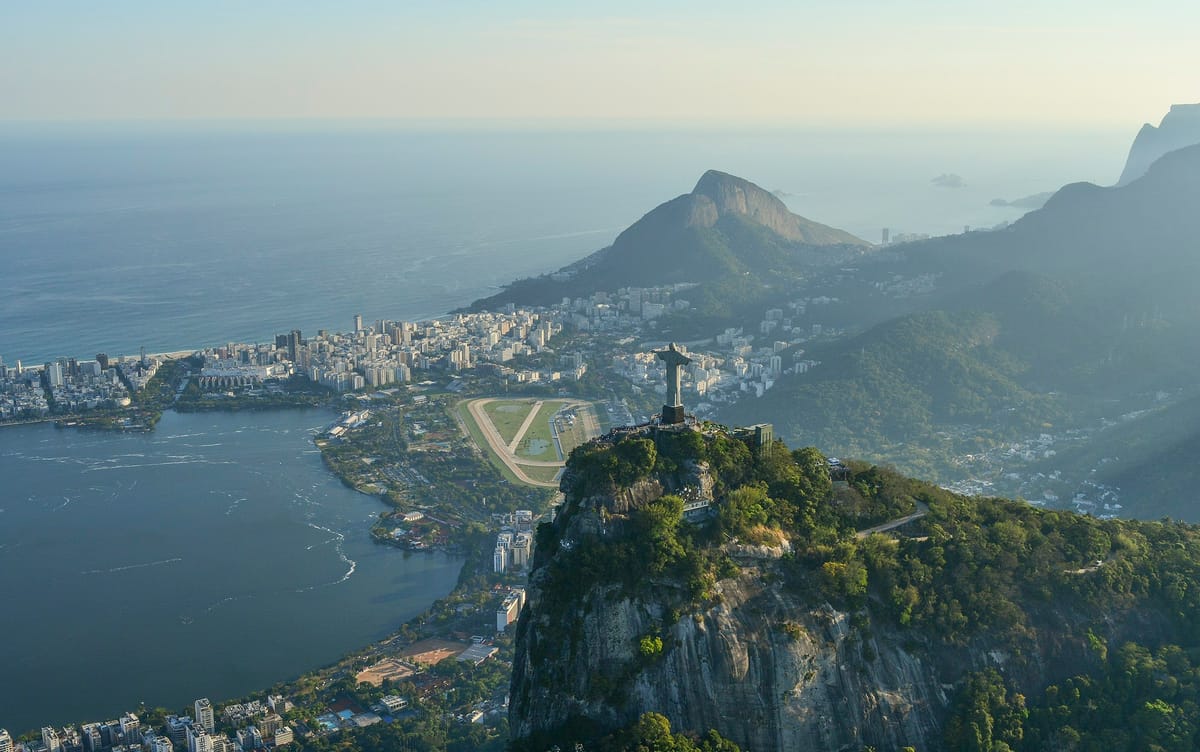
There's a moment, somewhere over the bay on the cable car to Pão de Açúcar, when Rio de Janeiro stops being a place you've seen in photographs and becomes a thing you can feel in your chest, the green peaks plunging straight into the sea, the white crescent of beach, the city tucked impossibly into every gap between mountain and water.
Locals call it the Cidade Maravilhosa, the Marvelous City, and after a few days here you stop thinking the nickname is hyperbole. The hardest part of planning your trip is simply this: there are far too many wonderful things to do in Rio de Janeiro, and not nearly enough days to do them. Let me, as your guide, help you choose well, and show you the corners most visitors walk straight past.
Rio was founded on 1 March 1565 by the Portuguese as São Sebastião do Rio de Janeiro, named in part for the saint and in part for a navigational mistake: when Portuguese sailors first arrived in January 1502, they took the entrance to Guanabara Bay for the mouth of a great river, Rio de Janeiro means "River of January." There never was a river.
The name stuck anyway. The city would go on to become the capital of colonial Brazil, then, astonishingly, the seat of the entire Portuguese Empire when the royal court fled Napoleon and relocated here in 1808, and it remained Brazil's capital until 1960. You feel that layered history everywhere: in the gilded churches, the grand colonial squares, the tiled mansions of the hills.
Christ the Redeemer and Corcovado: the icon that watches over everything
You will see him before you arrive, arms open, 700 metres up on the granite hump of Corcovado, presiding over the whole city like a benediction. Cristo Redentor was inaugurated in 1931 after about nine years of construction, designed with the engineer Heitor da Silva Costa and sculpted with the French sculptor Paul Landowski, and in 2007 he was named one of the New Seven Wonders of the World. The statue stands roughly 30 metres tall (38 metres counting the pedestal), and his outstretched arms span around 28 metres.
The classic way up is the cog railway through the Tijuca Forest, a charming, century-old little train that climbs through dense jungle and suddenly delivers you to the summit and that view. For the deepest history and context, and to skip the worst of the queue chaos, going with a guide is genuinely worth it; we cover this in detail in our guide to visiting Christ the Redeemer.
Insider tip
Go at opening or in the last hours of the afternoon, and check the cloud forecast the night before, Corcovado makes its own weather, and a clear morning can turn to fog by 11am. A bright, cloudless dawn is your friend; the light is softer and the crowds thinner.
Not sure whether to do Corcovado at sunrise or sunset? We live here, tell us your dates and we'll time it perfectly.
Plan my trip on WhatsAppSugarloaf Mountain (Pão de Açúcar): the original wonder
If Corcovado is Rio's soul, Pão de Açúcar, Sugarloaf, is its swagger. The cable car system here opened in 1912, making it one of the oldest cable cars in the world, and the ride still thrills: you glide first to Morro da Urca, then on to the 396-metre summit of Sugarloaf itself, the bay unfurling beneath your feet the whole way. The name supposedly comes from the conical clay moulds once used to refine sugar, which the peak resembles.
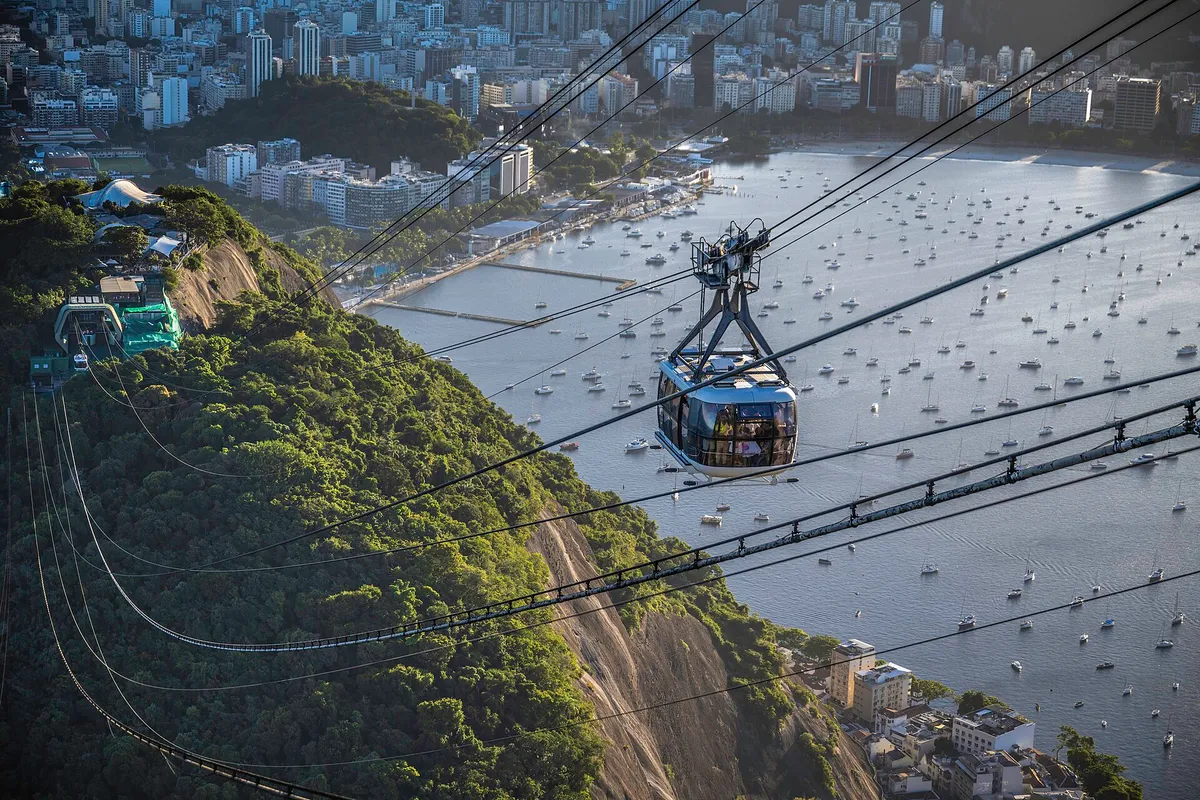
Here's what most visitors miss: skip the summit for a moment and walk the Mureta da Urca instead, a low seawall in the quiet Urca neighbourhood where cariocas (that's what Rio locals are called) gather at golden hour with a cold beer, feet dangling over the water, watching the cable cars cross against the sunset. It's free, it's local, and it's one of the most quietly magical hours in the whole city. Just below, Praia Vermelha ("Red Beach") is a tiny, calm, mountain-framed cove that almost no first-timer knows about.
Insider tip
For Sugarloaf, aim for late afternoon so you ride up in daylight and come down after dark, when the city lights ignite below you. Buy ahead in high season to dodge the line, or let us handle timing and tickets so you're never stuck waiting.
Copacabana and Ipanema: the beaches that wrote the songs
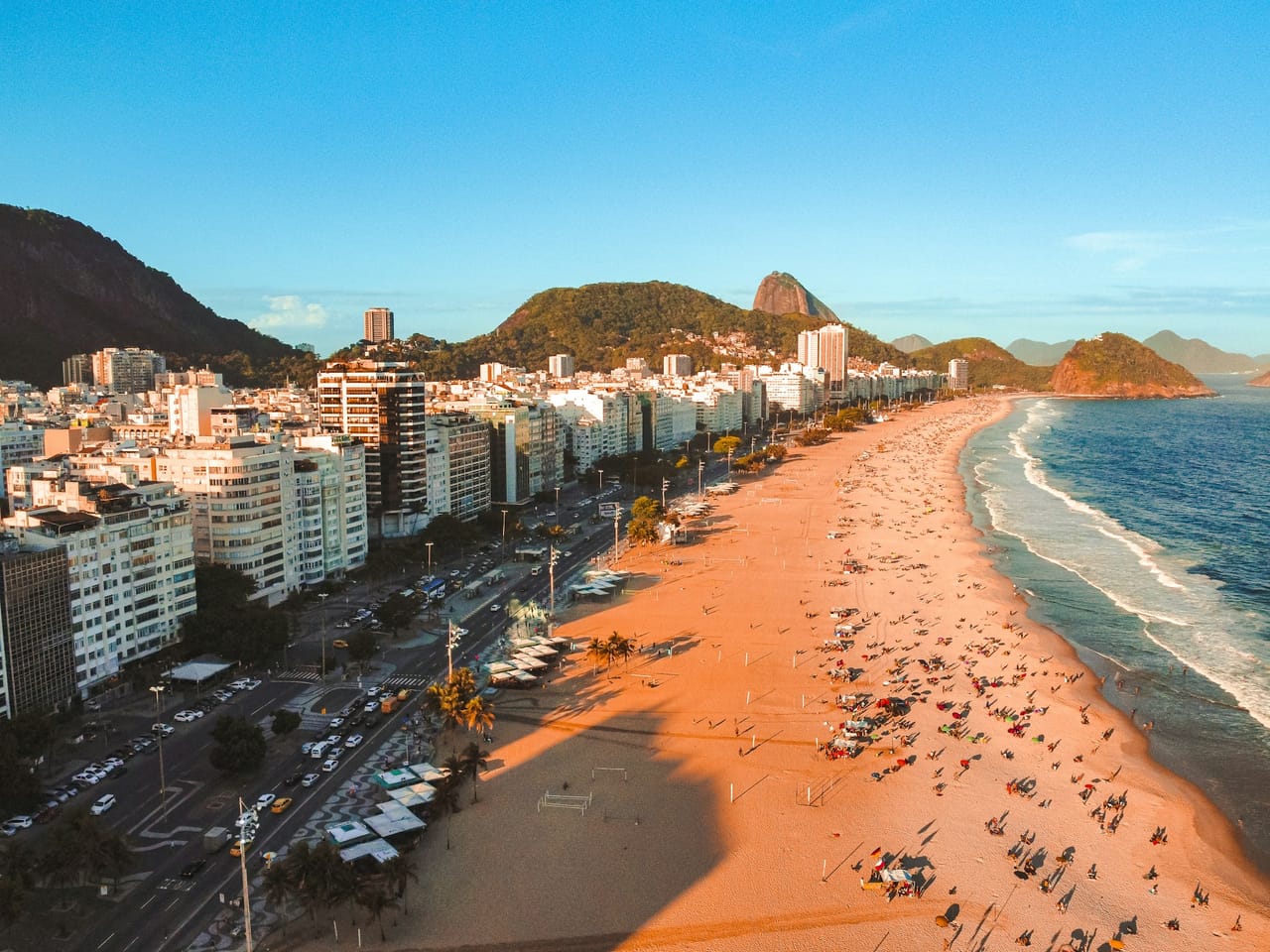
Rio's beaches aren't just for swimming, they're the city's living room, its gym, its bar, its catwalk and its stage. Copacabana stretches in a four-kilometre arc of golden sand, edged by Roberto Burle Marx's famous black-and-white wave-patterned promenade. Ipanema, next door, gave the world the song "Garota de Ipanema" ("The Girl from Ipanema"), written in 1962 by Tom Jobim and Vinícius de Moraes at a bar in the neighbourhood, one of the most recorded songs in history.
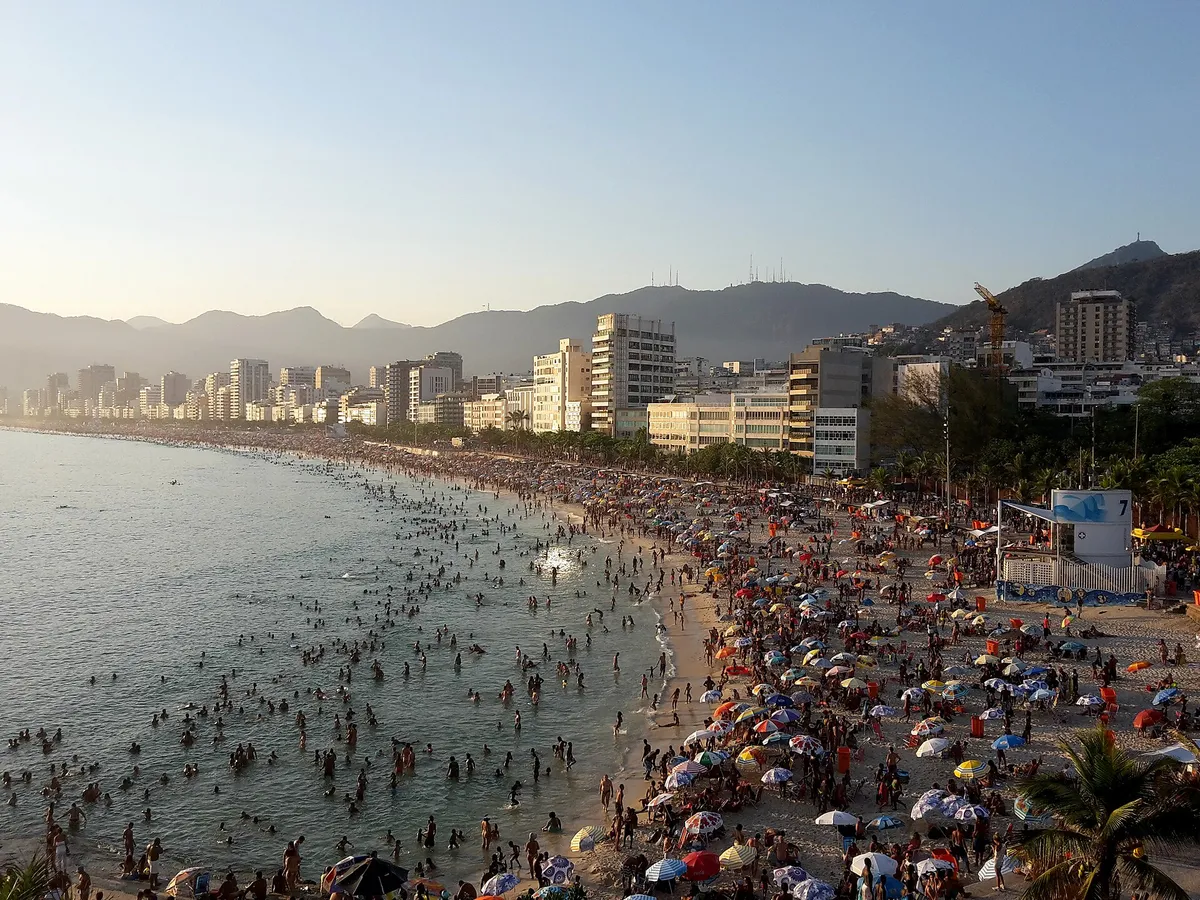
Learn to read the beach like a local. Each stretch has its postos (lifeguard posts) that mark distinct tribes: Posto 9 in Ipanema is the bohemian, see-and-be-seen heart; the stretch near Rua Farme de Amoedo is Rio's vibrant LGBTQ+ hub; families gather at the calmer ends. Don't bring valuables, do rent a chair and umbrella from a barraca, and absolutely buy a biscoito Globo and an iced mate from the wandering vendors, it's the most carioca snack there is.
Insider tip
Walk to the rocks at the far end of Ipanema, Pedra do Arpoador, for sunset. Cariocas applaud the sun as it drops behind the Dois Irmãos peaks. It's a genuine daily ritual, and it costs nothing.
For the full beach-by-beach breakdown and dozens more ideas, see our deep dive on things to do in Rio and our roundup of the city's best neighbourhoods over in our Rio day tours.
Santa Teresa, Lapa and the Selarón Steps: Rio's bohemian heart
Climb into the hills and the city changes character entirely. Santa Teresa is Rio's Montmartre, a maze of steep cobbled lanes, ateliers, faded mansions and leafy terraces, once home to the city's coffee-baron elite and now to its artists. The historic yellow bondinho tram still rattles up here over the Arcos da Lapa, the great white double-tiered aqueduct built in the mid-18th century to carry fresh water down from the Santa Teresa hills; today it carries the tram and frames the nightlife of Lapa beneath it.
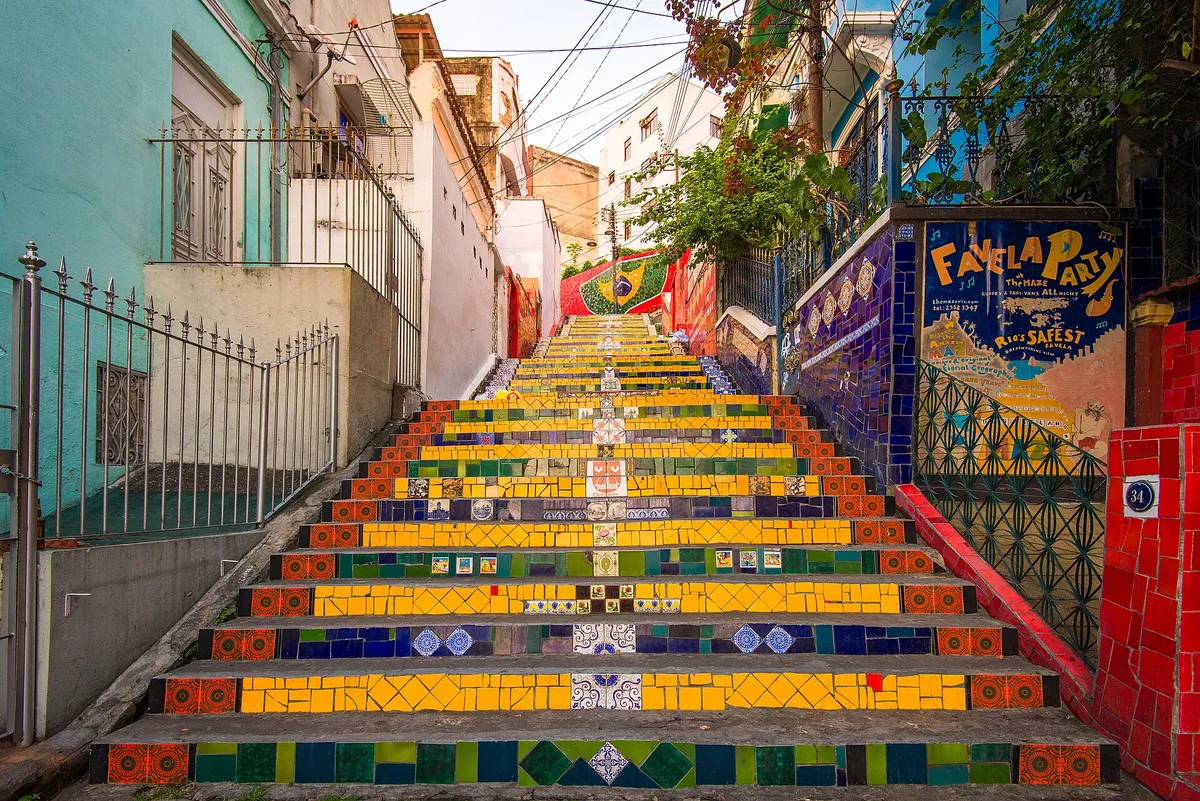
At the foot of the hill, the Escadaria Selarón, the Selarón Steps, blaze with over 2,000 tiles in red, yellow, green and blue, sourced from more than 60 countries. The Chilean-born artist Jorge Selarón began covering the staircase outside his home in 1990 and worked on it obsessively until his death in 2013, calling it "my tribute to the Brazilian people." Go early in the morning, by mid-day it's shoulder-to-shoulder with tour groups, and the magic drains out of it.
Rio doesn't ask you to visit it. It asks you to fall a little bit in love.
By night, Lapa erupts. This is where Rio dances, samba spilling out of century-old gafieiras (dance halls), live forró, street parties under the arches. Friday and Saturday are biggest, but a respectful tip: watch how locals dance before you jump in, keep your phone tucked away, and let the rhythm find you.
Want a night of real samba in Lapa with someone who knows which hall is hot tonight? Message us and we'll point you right.
Plan my trip on WhatsAppTijuca Forest: the hand-planted jungle in the middle of a city
Here is a fact that stuns nearly everyone: the lush green mountains wrapped around Rio are largely a man-made forest. By the mid-19th century, the hills had been almost entirely cleared for coffee plantations, threatening the city's water supply.
Beginning in the 1860s, under the orders of Emperor Dom Pedro II, the area was painstakingly replanted by hand, much of the early work done by a small crew led by Major Manuel Gomes Archer. Today Tijuca National Park is one of the largest urban forests in the world, a tropical jungle of waterfalls, monkeys, toucans and trails entirely inside the city limits.
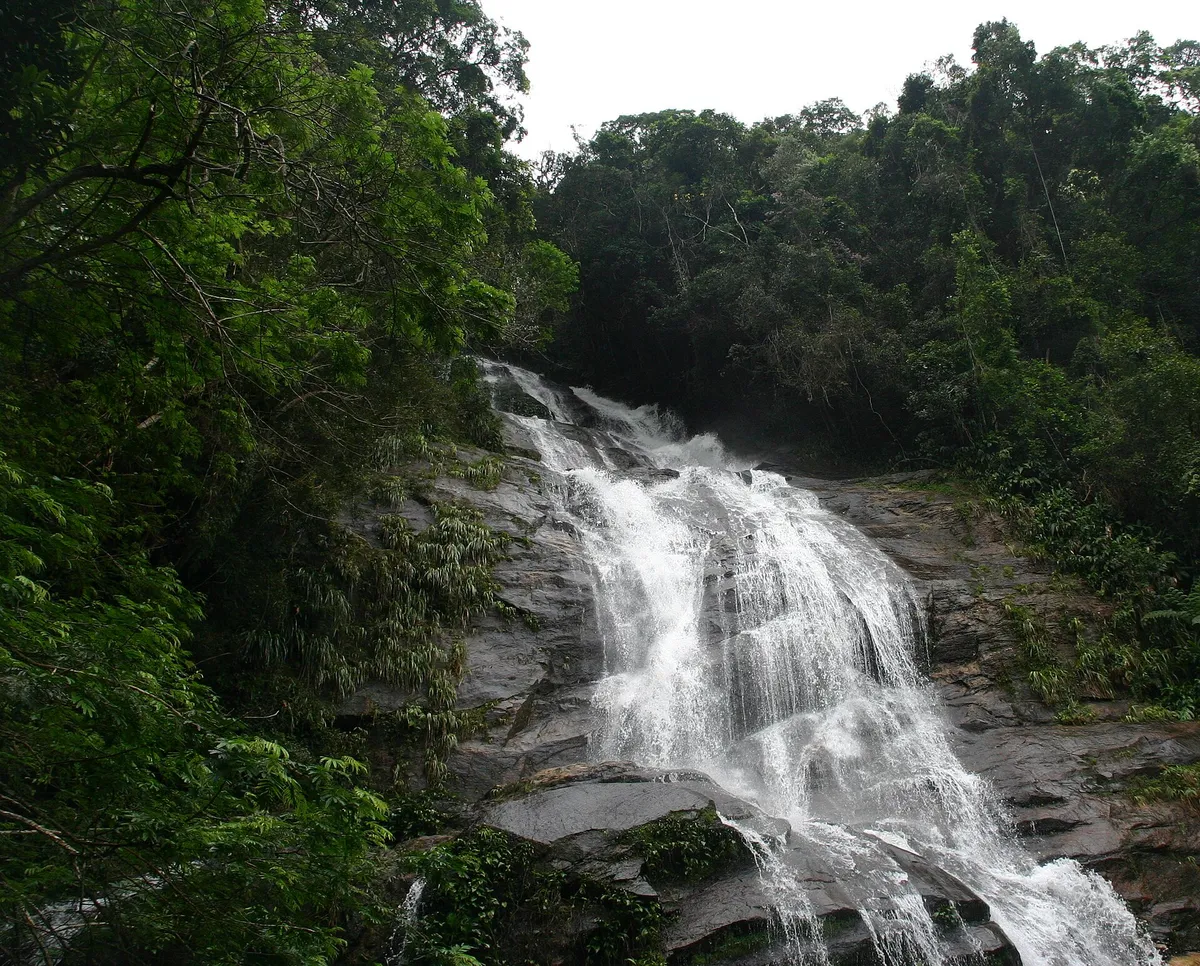
Inside and around it hide some of Rio's best-kept secrets. The Vista Chinesa is a pagoda-style lookout with arguably the most cinematic panorama in the city. Pedra Bonita is the launch ramp for hang-gliders and an achievable hike with a jaw-dropping reward. And the famous Instagram cliff-edge shot, the one that looks terrifying, is Pedra do Telégrafo, where the "drop" is an optical illusion (the rocks below are only a metre or two down). Bring water, go early, and consider a guide for the trailheads, which can be poorly marked.
Maracanã: cathedral of Brazilian football
No temple in Rio is more sacred to locals than the Maracanã. Opened for the 1950 World Cup, it once held crowds famously cited as approaching 200,000 for the heartbreaking final Brazil lost to Uruguay, a national trauma still spoken of with a shudder.
It later hosted the 2014 World Cup final and the opening and closing ceremonies of the 2016 Olympics. Catching a match here, the roar, the drums, the flares, the sheer devotion, is one of the most electric experiences in Brazil. On non-match days you can tour the stands and the locker rooms.
A guided favela visit: done right, with respect
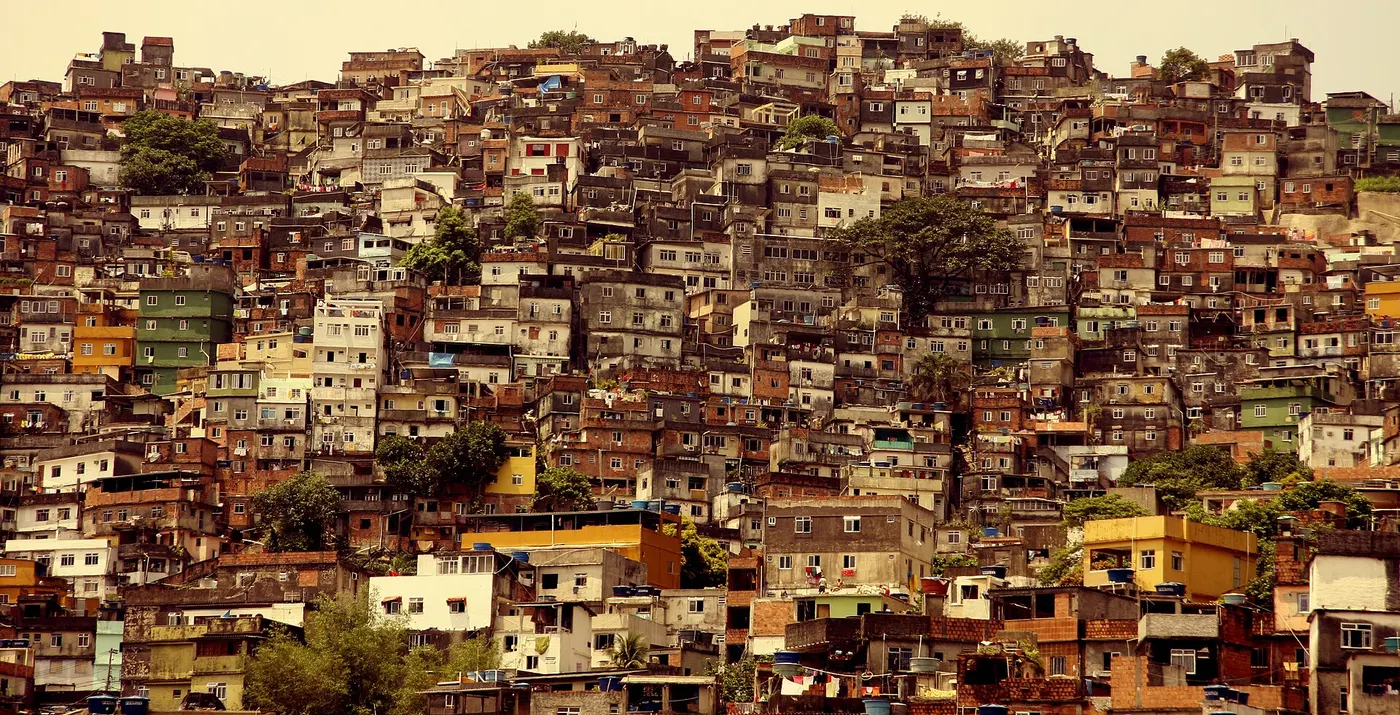
A visit to one of Rio's favelas (informal hillside communities) can be one of the most humanizing and memorable parts of a trip, but only when done ethically, with a guide who lives in or works closely with the community, who brings money back into it, and who treats residents as hosts, not spectacle.
Never wander in alone, never treat homes as photo props, and always ask before taking pictures of people. Approached with humility, you'll find warmth, ingenuity, extraordinary views and some of the best informal food in the city. This is exactly the kind of experience where a trusted local guide makes all the difference.
Jardim Botânico and Parque Lage: green sanctuaries
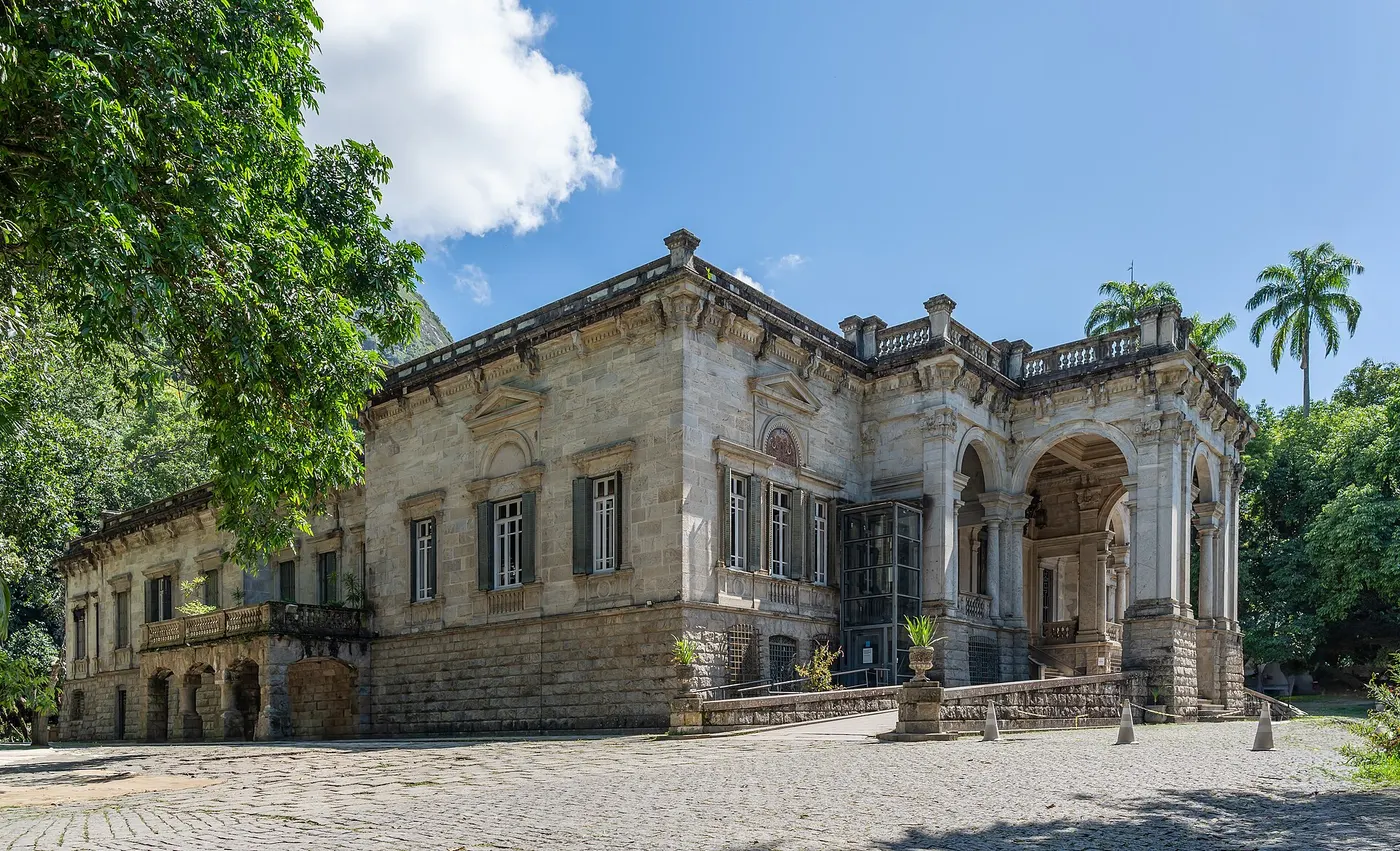
Rio's Jardim Botânico (Botanical Garden) was founded in 1808 by Dom João VI, then prince regent of Portugal, originally to acclimatize spices from the East Indies. Its grand avenue of towering imperial palms is unforgettable, and it's home to thousands of plant species, orchid houses and resident toucans and monkeys. Next door, the dreamlike Parque Lage hides a 20th-century mansion with a courtyard pool framed against the Corcovado mountain rising directly behind it, one of the most photographed and yet least crowded spots in Rio. The café here is a blissful, shaded place to pause.
Insider tip
From Parque Lage, a trail leads up to Corcovado on foot, a beautiful (and free) alternative to the train for fit hikers. Always go with a guide or group, never solo.
What most visitors miss: Rio's hidden gems
Beyond the postcards, this is where Rio rewards the curious traveler:
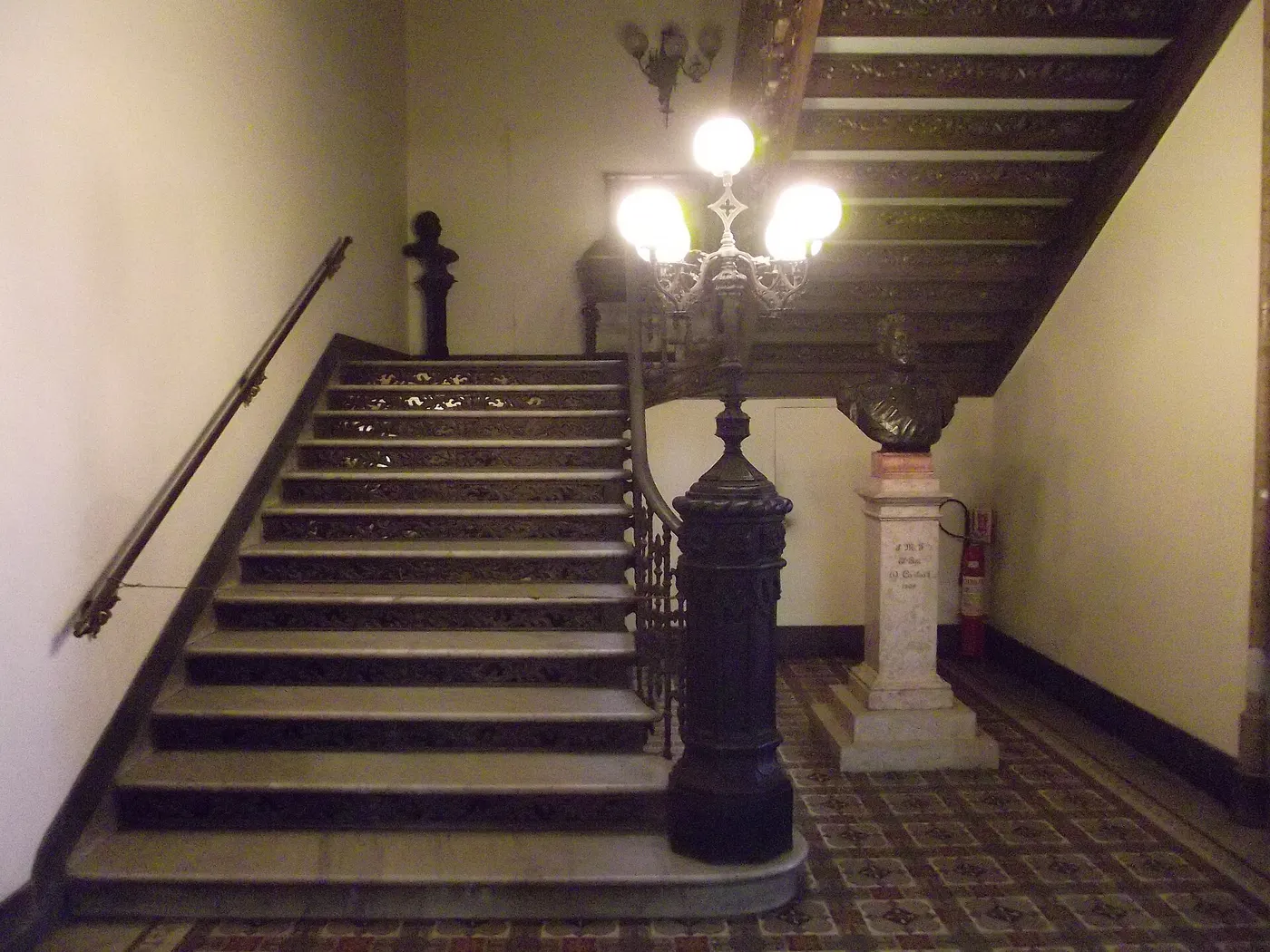
- Real Gabinete Português de Leitura, a breathtaking neo-Manueline reading room downtown, its three storeys of dark wood shelving holding the largest collection of Portuguese works outside Portugal. Regularly ranked among the most beautiful libraries on earth, and almost free of tourists.
- Mirante Dona Marta, a celebrated half-way lookout on the road up to Corcovado; a sweeping view of Christ, Sugarloaf and the bay all at once, with a fraction of Corcovado's crowds.
- Feira de São Cristóvão, a vast covered fair celebrating the culture of Brazil's Northeast: forró bands, street food, cordel poetry. Loud, joyful, deeply local.
- CADEG / Mercado do Rio, a wholesale market in Benfica where cariocas go for legendary Portuguese-style food and live music upstairs on weekends.
- Ilha de Paquetá, a car-free island in Guanabara Bay where you get around by bicycle or horse-drawn carriage; a gentle, nostalgic day trip by ferry.
Did you know? Surprising Rio facts
- Copacabana's New Year's Eve celebration, Réveillon, draws enormous crowds dressed in white to the beach for fireworks, it's one of the largest New Year gatherings on the planet.
- The Sugarloaf cable car (1912) was the first of its kind in Brazil and remains among the oldest still operating anywhere in the world.
- The Tijuca Forest was deliberately reforested by hand starting in the 1860s, making one of the world's biggest urban forests essentially a 19th-century environmental rescue project.
- The word carioca, for a Rio native, is thought to derive from a Tupi term, and the people wear the name with fierce pride.
Day trips beyond the city
Give Rio more than a few days and the coast on either side opens up. To the west, Ilha Grande and the colonial gem of Paraty offer car-free beaches and cobbled streets; to the east, Búzios charms with its dozens of beaches. Inland, the cool mountain town of Petrópolis, the former summer home of Brazil's emperors, makes an easy, history-rich escape.
If you're building a longer route, our 2-week Brazil itinerary shows how Rio fits with Iguaçu, the Amazon and beyond, and our guide to the best time to visit Brazil helps you nail the season.
Local culture, etiquette and staying smart
Cariocas are warm, tactile and unhurried, greet with a kiss on the cheek (or two), don't rush a conversation, and embrace running on "Rio time." A few practicalities: keep your phone and valuables out of sight on beaches and busy streets, use registered taxis or rideshare apps at night, and dress down, flashy jewellery marks you as a target. None of this should make you anxious; Rio is enjoyed safely by millions of visitors a year. For a level-headed, practical rundown, read our honest take on whether Brazil is safe for tourists.
And the food, oh, the food. Don't leave without trying a proper feijoada (the black-bean-and-pork stew, traditionally eaten at leisurely Saturday lunches), pão de queijo, and a fresh açaí bowl; our guide to Brazilian dishes to try will make you hungry.
Insider tip
The best Portuguese phrase you can learn is "Tudo bem?" ("All good?"). Use it as both hello and how-are-you. Cariocas light up when visitors try, it instantly changes how you're treated.
Best time to visit and how to beat the crowds
Rio is good year-round, but the rhythm matters. The Southern Hemisphere summer (December–March) is hot, vibrant and peak season, crowned by Carnival and Réveillon, magical but crowded and pricey (plan Carnival well ahead with our Rio Carnival guide). The shoulder months of April–June and September–November often offer the sweet spot: warm, drier, fewer crowds, gentler prices. Whatever the season, the golden rule is to hit the icons, Corcovado, Sugarloaf, the Selarón Steps, at opening or late afternoon, and save midday for the beach or a long lunch when everyone else is queuing.
Getting around, and a note on accessibility
Rio's metro is clean, safe and efficient for the main tourist zones (Centro, Lapa, Copacabana, Ipanema). Rideshare apps are widely used and convenient. For the mountain attractions and hidden viewpoints, a private guide saves hours of logistics and unlocks places public transport can't reach.
On accessible travel: Rio has made real progress, with adapted access at several major sights, but conditions vary site by site and curb-to-curb realities are uneven, so we never make blanket promises. Every accessible itinerary we build is confirmed per traveler, around your specific needs, before anything is booked. See our approach to accessible travel in Brazil and tell us what you need; we'll plan honestly around it.
Key takeaways
- Rio's "big four", Christ the Redeemer, Sugarloaf, Copacabana/Ipanema, and Santa Teresa/Lapa, are essentials; visit icons at opening or late afternoon to dodge crowds and heat.
- The hidden Rio (Mureta da Urca at sunset, Parque Lage, Vista Chinesa, the Real Gabinete library, Paquetá island) is where the city truly wins your heart.
- The Tijuca Forest was hand-replanted from the 1860s; the Sugarloaf cable car dates to 1912, Rio's wonders carry extraordinary stories.
- Favela visits and accessible itineraries should always be done with a trusted local guide and confirmed per traveler.
- Give Rio at least four to five days, and pair it with day trips like Paraty, Búzios or Petrópolis if you can.
Rio rewards the traveler who slows down, who lingers on the seawall at Urca, who claps at the Arpoador sunset, who learns to say tudo bem. There are endless things to do in Rio de Janeiro, but the real art is choosing the few that will become the memories you carry home. That's where a local hand helps most.
Ready to turn this list into your perfect Rio days? Benny and the team are right here in the city, let's build your itinerary together.
Plan my trip on WhatsAppImage credits: acediscovery / CC BY 4.0, via Wikimedia Commons; Donatas Dabravolskas / CC BY-SA 4.0, via Wikimedia Commons; Pierre André / CC BY-SA 4.0, via Wikimedia Commons; eflon / CC BY 2.0, via Wikimedia Commons; Marinelson Almeida / CC BY 2.0, via Wikimedia Commons; Rjcastillo / CC BY-SA 4.0, via Wikimedia Commons. Other photos via Unsplash or in the public domain.