Trip in
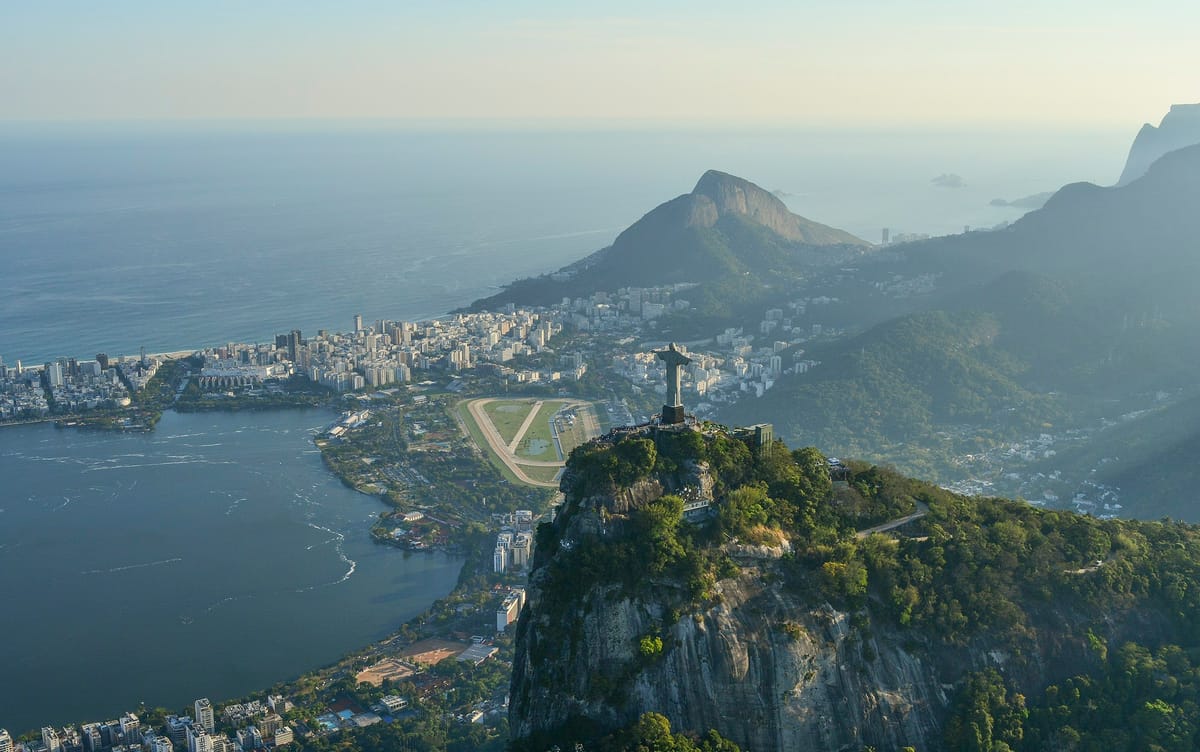
 Let's answer the question you actually came here to ask, the one you've typed into a search bar at 1am while a browser tab of flights waits in the background: is Brazil safe for tourists? The honest answer, the one you'll get from people who live in Rio, walk these streets every day, and have raised kids here, is yes, with your eyes open.
Millions of visitors come every year and leave with sand in their shoes and a permanent ache to return, never having had a single bad moment. And yes, Brazil has real crime, real inequality, and neighborhoods you simply shouldn't wander into. Both things are true at once. The trick is not fear; it's fluency, learning the small, almost invisible habits that locals practice without thinking, so you can stop scanning over your shoulder and start actually seeing this astonishing country.
This guide is written by people who love Brazil enough to tell you the truth about it. No scare stories, no naive cheerleading. Just the real picture, the way we'd explain it to a friend flying in next week.
The reputation versus the reality
Brazil's safety reputation abroad was forged largely by a handful of unforgettable images: a few sensational films, breathless news segments, and the kind of crime headlines that travel far faster than the quiet, ordinary truth of daily life. The reality on the ground is both better and more nuanced than the clichés. Crime in Brazil is overwhelmingly concentrated, geographically, socially, and economically, in specific areas, at specific times, and it very rarely targets tourists who are paying basic attention.
Here's the mental model that locals carry instinctively and that will serve you better than any list of "dangerous cities": Brazil is a country of intense contrasts packed tightly together. A street of polished cafés can sit a ten-minute walk from a community with serious problems.
Affluence and hardship are neighbors here in a way they aren't in many countries. That proximity is exactly why blanket statements ("Rio is dangerous," "São Paulo is fine") are useless. Safety in Brazil is hyper-local. The question is never really "is the city safe?", it's "which block, what time, and how am I carrying myself?"
Understand that and you've already overtaken most anxious first-timers. For a wider planning lens, pair this with our take on the best time to visit Brazil and our overview of destinations across the country, because when and where you go shapes safety as much as anything you do on the ground.
Want a local to sanity-check your route and neighborhoods before you book a thing? We're a message away.
Plan my trip on WhatsApp"Asfalto vs morro": the single most useful idea in Rio
If you learn one Brazilian concept before you land, make it this one. Cariocas (people from Rio) quietly divide the city into the asfalto, literally "the asphalt," the paved flatlands of the formal city, and the morro, "the hill," the favela communities that climb Rio's dramatic granite slopes. The words are geographic, but they carry a world of social meaning.
For a visitor, the practical takeaway is simple: the asfalto neighborhoods where you'll spend nearly all your time, Copacabana, Ipanema, Leblon, Botafogo, Flamengo, the city center by day, are where ordinary tourist life happens, and where standard street smarts keep you fine.
The morro is a different world with its own rules, codes, and, in some cases, armed control by groups you absolutely do not want to stumble into uninvited. Some favelas have become genuine, welcoming destinations with thriving culture; others remain off-limits. The only safe way to visit any of them is with a vetted local guide who actually knows that specific community, never on a GPS whim, never "just to see."
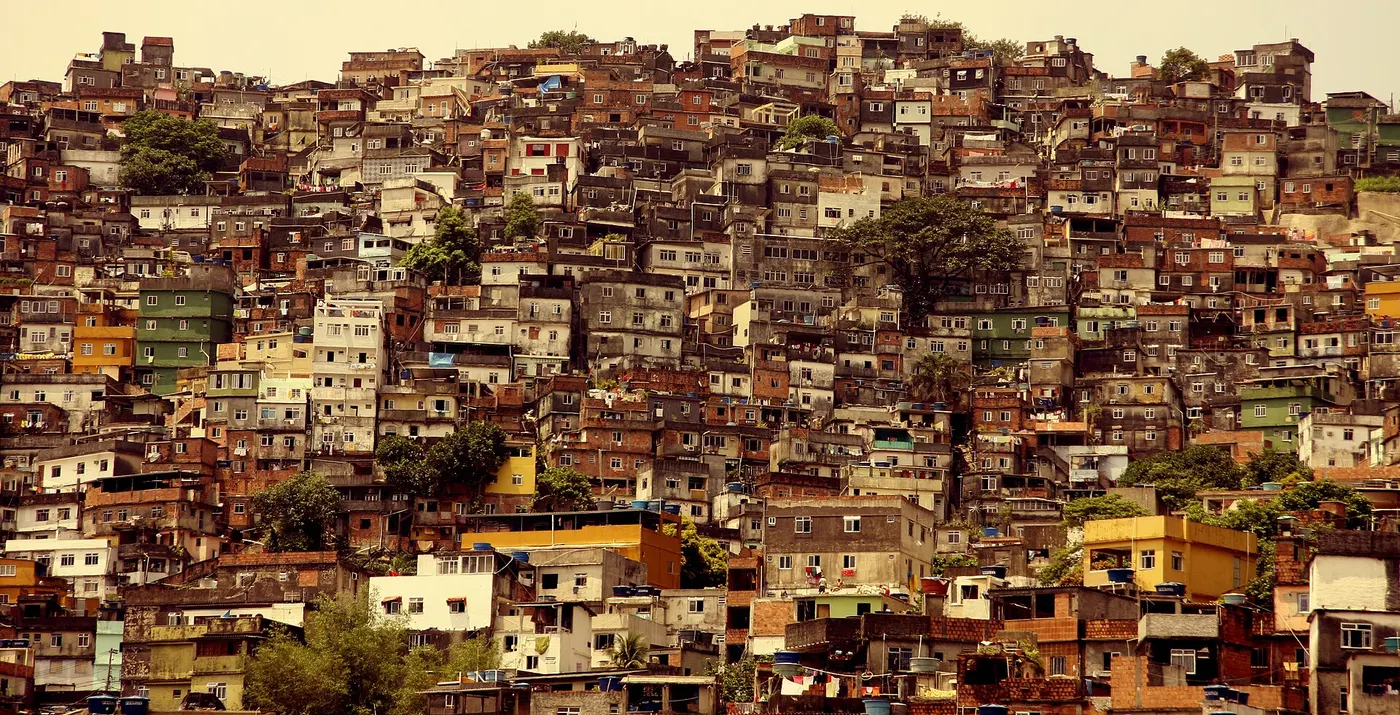
This is also why your phone's map can betray you in Rio. A route that looks like a tidy shortcut on a screen may climb straight from the asfalto into a morro without warning. Locals don't trust the blue line uphill. Neither should you. When in doubt about a route, ask a kiosk worker, a hotel desk, or us, context beats cartography here every time.
Insider tip
Before you set off anywhere new in Rio, glance at the elevation, not just the distance. If your walking route suddenly starts climbing a steep hill you weren't expecting, stop and reroute along the flat. The flatland is the formal city; the sudden steep climb often is not.
Did you know? A few things that reframe the picture
A little context dissolves a lot of fear. Did you know that the iconic phrase "Cidade Maravilhosa", Marvelous City, has been Rio's affectionate nickname for over a century, immortalized in a 1935 Carnival march by André Filho? Cariocas have been in love with their own city, flaws and all, for generations.
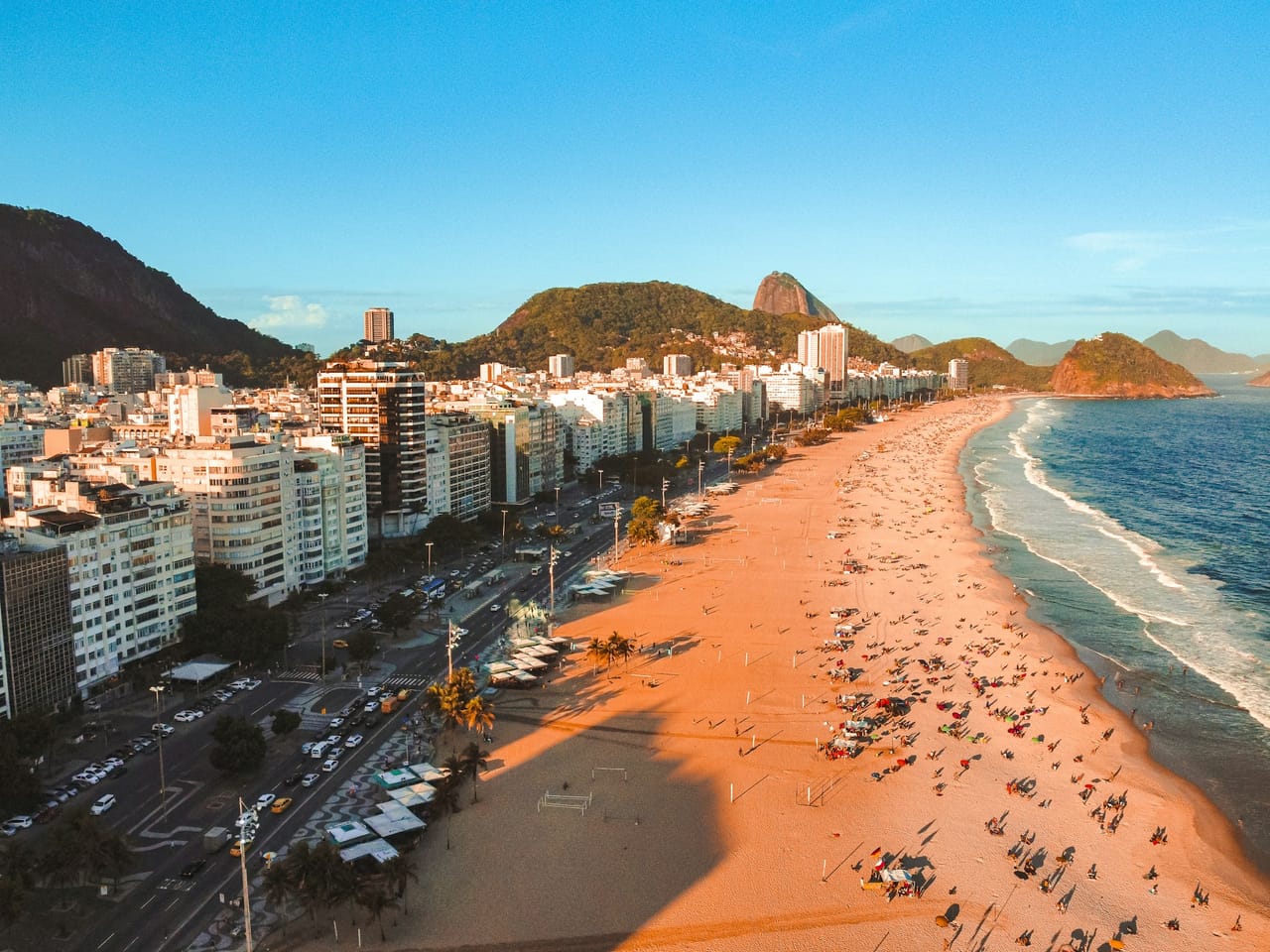
Did you know that the beach kiosks lining Copacabana and Ipanema are not just for caipirinhas, that promenade is one of the most watched, most populated public spaces in the Southern Hemisphere, patrolled and busy from dawn joggers to midnight strollers? There's genuine safety in that constant, cheerful crowd.
And here's a reframing fact: the things most likely to actually disrupt a traveler's Brazil trip are rarely the dramatic stuff. They're opportunistic phone-snatching, the occasional inflated taxi fare, and sunburn. Treat those three with respect and you've handled the realistic majority of risk.
The goal isn't to travel scared. It's to travel like someone who belongs here, relaxed, alert, and impossible to surprise.
The habits locals actually use
Watch a carioca move through the city and you'll notice a kind of effortless, low-key awareness. None of it is paranoid. All of it is automatic. Here's what they're doing that you can copy on day one:
- The phone stays put. This is the big one. Locals don't walk down the street with a phone out, mapping or scrolling, especially near traffic where someone on a motorbike could grab it. They duck into a shop or café to check directions. Phone-snatching is the single most common thing that happens to distracted visitors.
- Dress down, not up. Leave the heavy jewelry, the flashy watch, the statement bag at home. The look you want is "could be anyone." Cariocas at the beach famously carry almost nothing, a little cash, a key, flip-flops.
- Carry a "decoy" amount. Take only the cash and one card you need for the day. Leave passports and spare cards in the hotel safe. If the worst happens, you hand over a day's pocket money, not your whole trip.
- Read the street's mood. A street busy with families, vendors, and open shops is a green light. A street that's suddenly empty, especially at night, is a quiet no. Locals feel this without thinking; you'll pick it up within days.
- "Boa noite" energy. A relaxed greeting, eye contact, a smile. Confidence and courtesy read as "local," and locals are a much less appealing target than a wide-eyed, hesitant tourist clutching a guidebook.
Insider tip
If someone ever does demand your phone or bag, the universal local advice is: don't resist, don't argue, hand it over. Things are replaceable. This is exactly why you carry a decoy amount and keep the real valuables locked away, so the loss is an annoyance, never a catastrophe.
Beaches, ATMs, and phones: the everyday triangle
Most of your Brazil days will revolve around three things, and each has a simple safety rhythm.
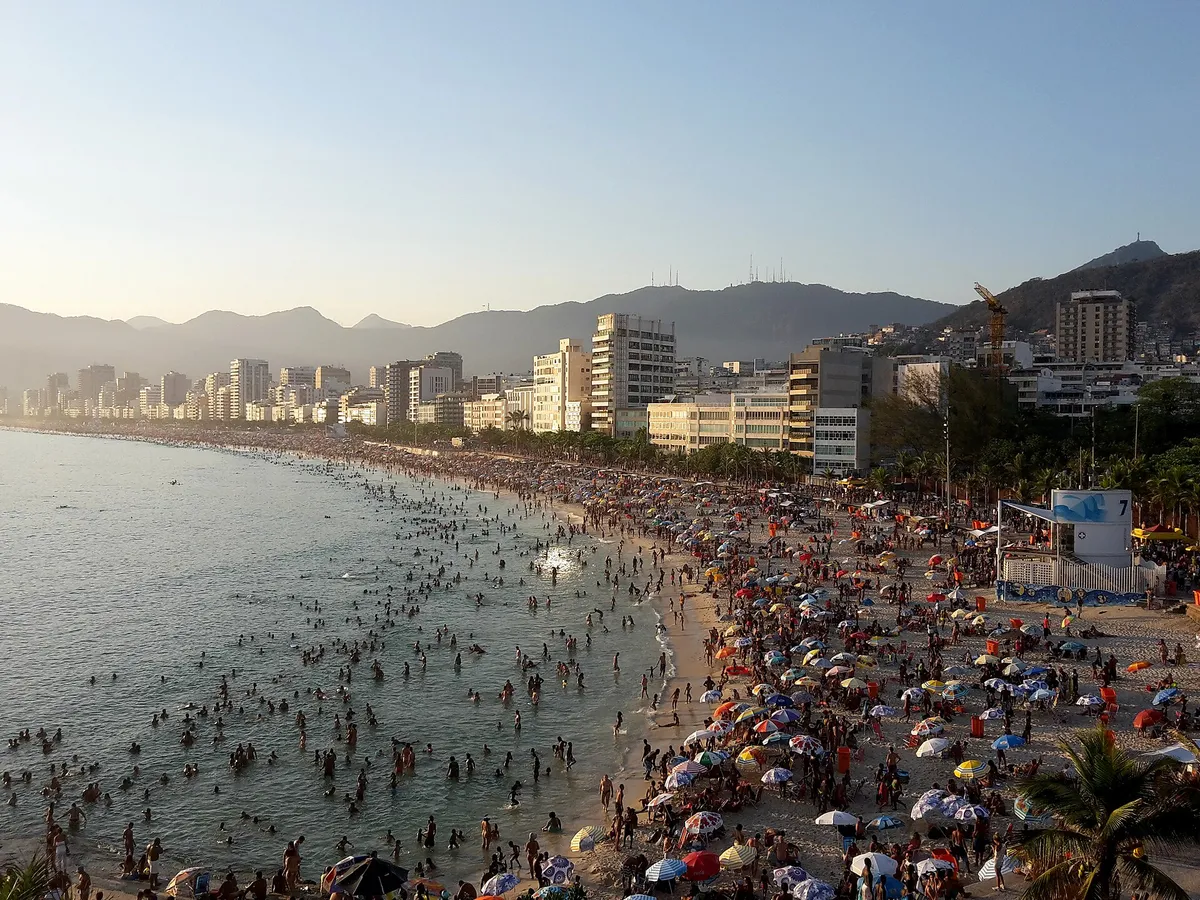
At the beach
The golden rule: never bring anything you'd be heartbroken to lose. Cariocas go to the beach with the bare minimum precisely because you cannot watch your stuff while you're in the waves. Use the kiosk staff, many will keep an eye on a chair you've rented from them, and they're a friendly, stabilizing presence.
Keep your phone in a buttoned pocket or a small waterproof pouch around your neck, not lying on a towel. And mind the sea itself: Brazilian beaches can have strong rip currents (correntes de retorno). Swim where the lifeguard towers and flags are, and respect a red flag absolutely.
At the ATM
Withdraw cash from machines inside banks, shopping malls, or your hotel during the day, not from a standalone street ATM at night. Shield the keypad, take your card and cash, and tuck them away before you step outside. Many travelers prefer to withdraw a few days' worth at once in a secure spot rather than making frequent street withdrawals.
With your phone
Beyond keeping it pocketed, do two things before you arrive: set up a strong lock screen and enable remote-wipe (Find My / Find My Device). Brazilian banking apps are a target if a phone is taken unlocked, so a fast-locking screen genuinely protects you. Consider a cheap local approach: a screenshot of your map saved to your photos means you can glance at directions offline without unlocking a banking-app-laden home screen on the street.
Nervous about getting a local SIM, cash, and the beach-day basics sorted? We help travelers set all of this up so day one feels easy.
Plan my trip on WhatsAppCommon scams, and how to sidestep them
Scams in tourist areas tend to be more annoying than dangerous, and they all crumble the moment you know the pattern. The usual suspects:
- The "broken meter" taxi. A driver claims the meter is broken and quotes a high flat fare. Solution: use a ride-hailing app, where the price is fixed and the route is tracked. It's the single biggest upgrade to your peace of mind in Brazilian cities.
- The card-swap or distraction at payment. Always keep your eyes on your card. At restaurants, the machine should come to your table, that's normal and a good sign.
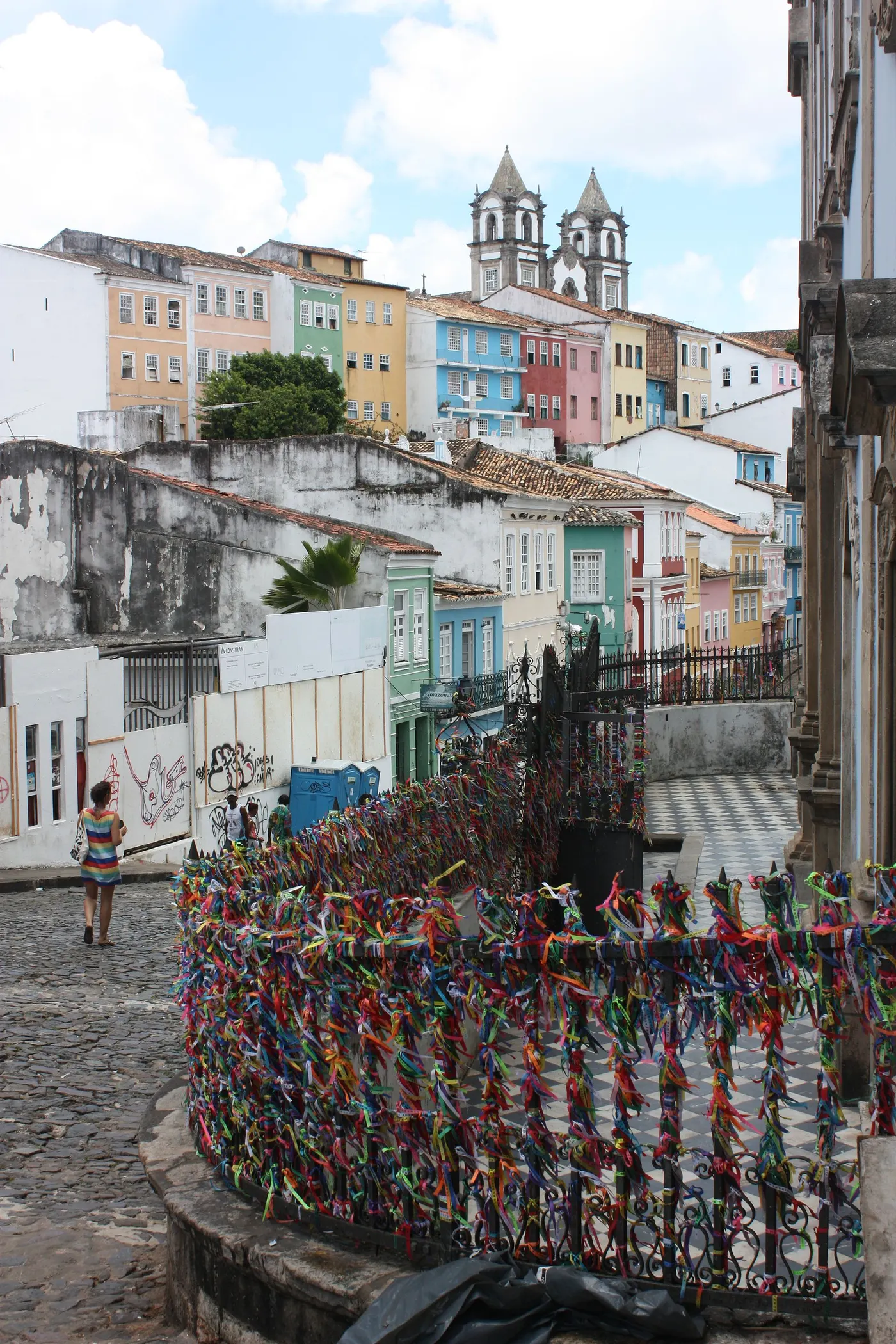
- The "free" bracelet or photo. Someone ties a ribbon on your wrist (the famous Bonfim ribbons in Bahia are a lovely tradition, but a pushy stranger demanding money for one is not), or insists on snapping your photo, then asks for payment. A polite, firm "não, obrigado" and keep walking.
- Over-friendly help at the ATM. Anyone offering to "help" you with a machine is a hard no.
- Fake fees and "closed attraction" steering. A stranger tells you the site is closed today but they know a great alternative (where they get a commission). Verify at the official entrance yourself.
None of this is unique to Brazil, it's the global tourist-scam playbook. Knowing it exists is 90% of the defense.
Getting around, especially after dark
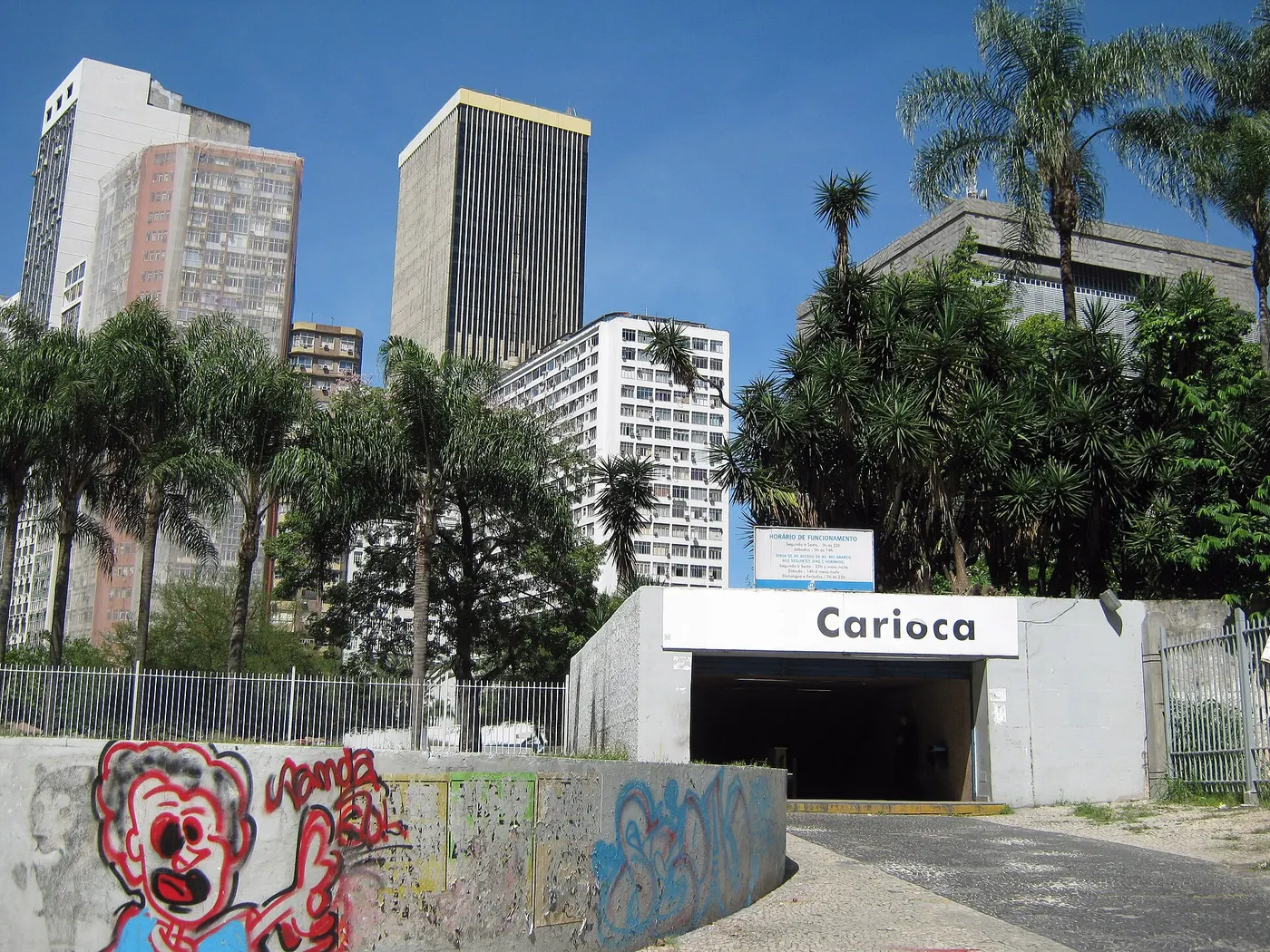
Transport is where a little planning pays the biggest safety dividend. By day, Rio's metro is excellent: clean, air-conditioned, cheap, and one of the safest, fastest ways to cover the city. São Paulo's metro and train network is even more extensive. Use them with normal big-city sense (phone away on the platform, especially) and you'll be fine.
After dark, the calculus shifts. The widely shared local habit is simple: at night, take a ride-hailing car door to door. It's affordable, the route is tracked, you skip dim bus stops and empty streets, and you arrive exactly where you're going. This isn't about Brazil being uniquely scary at night, it's the same logic a sensible local applies. Avoid empty buses late at night, don't walk long stretches of deserted street after dark, and if you're heading somewhere unfamiliar, have the address written in Portuguese ready to show.
Insider tip
When you order a ride, wait inside, a café, a shop, the hotel lobby, until the car is a minute away, then step out. Check the license plate against the app before you get in, and share your trip with someone. Locals do all of this on autopilot, and you'll be doing it by day two.
For day tours, going with a local guide adds a real layer of safety: someone who knows which streets to walk, which to skip, how to read the moment, and who has your back if anything feels off. That's a big part of why our Rio day tours exist, not just for the stories, but so you can relax completely and let someone who lives here handle the wayfinding.
Solo travelers and women: a frank, practical word
Brazil is a wonderful place to travel solo, and plenty of women explore it alone and adore it. The same core habits in this guide apply to everyone. A few additions worth naming honestly:
Brazilian social culture is warm, physical, and flirtatious by many international standards, friendly attention is common and usually harmless, but a clear, confident "não" is fully understood and respected; you don't owe anyone a conversation. Trust your instincts without second-guessing them. At night, lean even harder on door-to-door rides rather than walking alone.
Keep someone informed of your plans, a quick message of where you're going and when you expect to be back. In bars and clubs, watch your drink as you would anywhere in the world. And choose accommodation in lively, well-located neighborhoods (in Rio, areas like Ipanema, Leblon, Botafogo, and Flamengo are popular with visitors for good reason) where there are people and light around you in the evening.
Joining a group activity, a class, or a guided day out is also a brilliant way to meet people and add a built-in safety net, especially in your first days while you're still calibrating. Our plan a trip service is built around exactly this kind of confidence-building structure for first-timers and solo travelers.
Brazil is not one place: regional differences
Asking "is Brazil safe?" is a bit like asking "is Europe safe?", the country is continental in scale, and the texture of daily life changes enormously from region to region.
The Southeast (Rio, São Paulo)
The big cities are where the classic "asfalto vs morro" awareness matters most. They're also where the infrastructure, transport, and tourist services are strongest. Apply city smarts and you'll thrive. For ideas once you feel settled, our guide to things to do in Rio de Janeiro is a good next stop.
The Northeast (Bahia, Pernambuco, and the coast)
Home to Salvador, Recife, and a coastline of staggering beaches, the Northeast is the cultural heart of Afro-Brazilian Brazil, capoeira, candomblé, the rhythms of axé and forró. The historic centers like Salvador's Pelourinho are dazzling and absolutely worth it; apply the same urban awareness, stick to well-trafficked streets, and consider a guide for the old town to get both the safety and the stories.
The South (Florianópolis, Curitiba, the gaúcho country)
Many first-timers are surprised by how relaxed and orderly the south feels. Cities like Florianópolis and Curitiba, and the European-influenced towns of the interior, often read as notably mellow. It's a great region for travelers who want a gentler introduction.

The interior, the Amazon, and the Pantanal
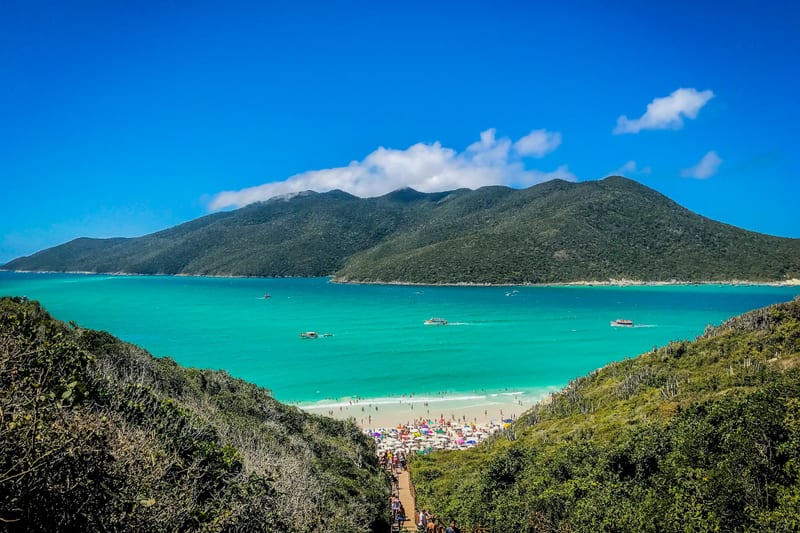
Out in the natural Brazil, the Amazon rainforest, the Pantanal wetlands, the dunes of Lençóis Maranhenses, the small interior towns, the risks shift entirely away from urban crime and toward nature: sun, water, wildlife, remoteness, and the importance of a competent operator. Here, "safe" means a good guide, the right gear, and respecting the environment. And Iguaçu Falls in the far west, on the Argentine border, is a textbook example of a major destination where your main safety concerns are simply staying hydrated and watching your footing on wet walkways.
Cultural etiquette that keeps you safe and welcome
Here's something travelers underestimate: courtesy is a safety tool. Brazilians are extraordinarily warm, and a little cultural fluency turns strangers into allies who'll look out for you.
- Greet people. A "bom dia" (good morning), "boa tarde" (good afternoon), or "boa noite" (good evening) when you enter a shop or approach someone is expected and appreciated. Skipping it reads as cold.
- Learn a handful of Portuguese phrases. Not Spanish, Portuguese. Even clumsy attempts are met with delight, and the effort instantly marks you as a respectful guest rather than an oblivious one. "Obrigado/obrigada" (thank you), "por favor," "com licença" go a long way.
- Be warm, be patient. Brazilian time runs a little looser. Frustration and impatience read as rude; a relaxed smile reads as one of us.
- Respect the beach codes. The beach is sacred social space. Don't photograph people without asking, share space generously, and tip kiosk staff who look after you.
- Tread lightly around inequality. Don't photograph favelas or people experiencing hardship as if they're scenery. Dignity matters, and being seen to respect it earns you genuine goodwill.
This warmth is the real Brazil, and it's also your best safety asset. People here genuinely want you to have a good time. Lean into that. While you're at it, our guide to Brazilian food will give you plenty of friendly excuses to practice your Portuguese with vendors and waiters.

Best times, crowds, and the safety of daylight
Time of day is a quiet safety lever. The simple principle: do your exploring, your viewpoints, your wandering in daylight, and shift to door-to-door transport as the sun goes down. Brazil's light is glorious in the early morning, beaches are at their calmest and freshest, popular sights are nearly empty, and you get the place almost to yourself before the crowds and the heat arrive.
For big-ticket sights, early is both safer and more beautiful. Christ the Redeemer and Pão de Açúcar reward the first slot of the day with thinner crowds and clearer air; for the latter, sunset is magical, but plan to ride the cable car back down before full darkness rather than lingering up top into the night. Around big events like Rio Carnival, the city is euphoric and packed, extra wonderful and extra worth keeping your valuables minimal and your wits sharp in the crush.

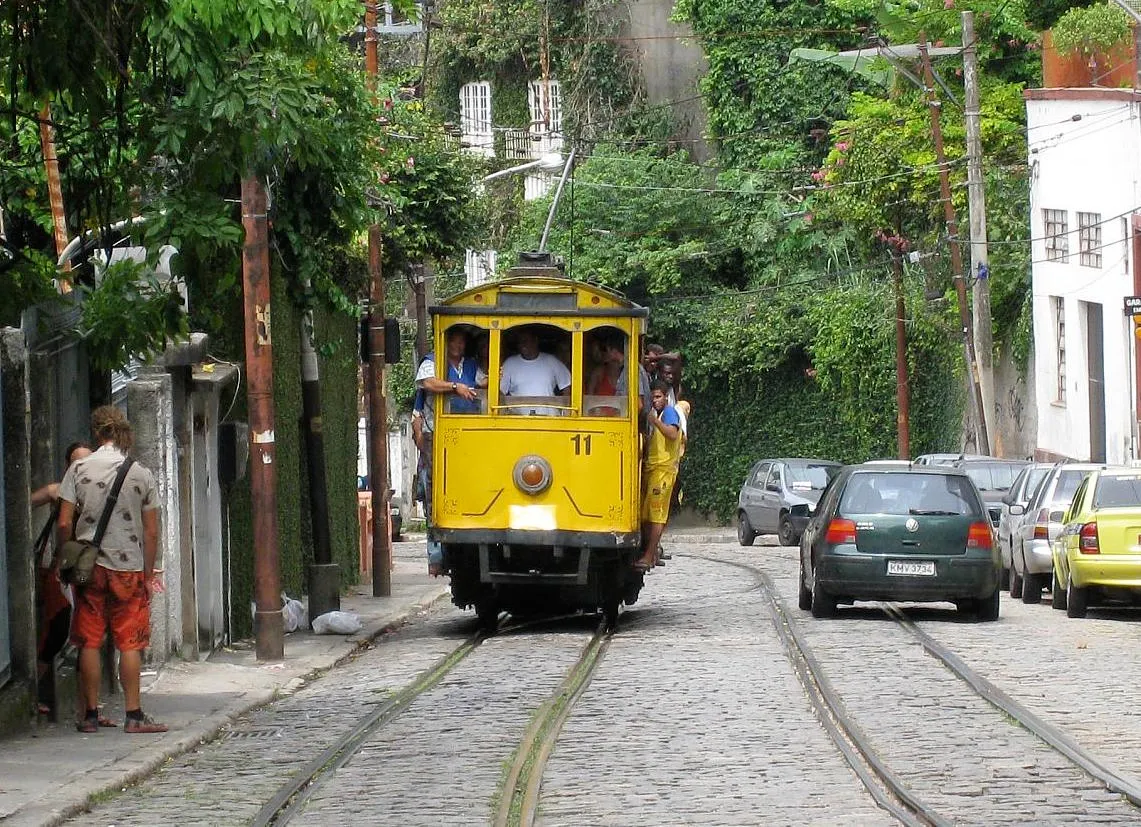
Neighborhoods like Santa Teresa are a perfect daylight pleasure, that hilly, bohemian, leafy maze with its yellow tram is a joy to wander by day, but it's the kind of place where you want your ride home arranged before dark rather than walking down the hill at night.
How guided travel and good planning quietly raise your safety
You can absolutely do Brazil independently, many do, happily. But it's worth naming why so many travelers, especially first-timers, solo travelers, families, and those with accessibility needs, choose to anchor at least part of their trip with local help. A guide who lives here makes a thousand micro-decisions you can't: which entrance to use, which street to skip, what time to go, when a situation has shifted. That's not hand-holding, it's borrowed local fluency, and it lets you relax into the experience instead of managing it.
For travelers with disabilities, this matters even more. Brazil's accessibility varies enormously by location and venue, and the only responsible approach is to confirm the specifics for each traveler and each site rather than trusting blanket promises, there are no one-size-fits-all guarantees, and anyone who tells you otherwise isn't being straight with you.
Good planning here is both a comfort and a safety measure: knowing in advance which routes, transport, and venues genuinely work for you removes the on-the-ground improvising that causes stress. Our accessible travel work and our deeper accessible Brazil guide are built entirely around that per-traveler, no-false-promises philosophy.
And if you're sketching out a longer route, our 2-week Brazil itinerary threads together the regions in a way that's paced, sensible, and safe, front-loading the cities while you're sharp and saving the slow, natural Brazil for when you've found your rhythm.
Key takeaways
- Yes, Brazil is safe for tourists who pay attention, crime is real but highly localized, and rarely targets aware visitors.
- Safety here is hyper-local: learn the "asfalto vs morro" idea and never trust a map blindly uphill in Rio.
- Adopt the local habits: phone away on the street, dress down, carry only what you need, and use door-to-door rides after dark.
- Know the scam playbook (broken meters, ATM "helpers," card swaps) and it loses all its power.
- Courtesy is a safety tool, a "bom dia," a few Portuguese words, and warmth turn strangers into allies.
- Regions differ wildly; the south is mellow, the natural Brazil's risks are about nature, not crime.
- Local guides and good planning add real safety, and accessibility is always confirmed per traveler, no blanket promises.
So, is Brazil safe for tourists? Safe enough that the people who run this company chose to make their lives here, raise their families here, and spend their days showing visitors the city they love.
Come with open eyes and the handful of habits in this guide, and you'll spend almost no energy worrying and almost all of it falling for the place, the smell of grilled cheese on the beach, the sound of a distant samba leaking from a doorway, the impossible green of the hills, the warmth of people who will treat you like you've always belonged. That's the real Brazil. Let us help you meet it.
Ready to plan a Brazil trip that feels as relaxed as it is unforgettable? Tell us your dates and we'll handle the rest.
Plan my trip on WhatsAppImage credits: eflon / CC BY 2.0, via Wikimedia Commons; Wilfredor / CC BY-SA 4.0, via Wikimedia Commons; acediscovery / CC BY 4.0, via Wikimedia Commons; Halley Pacheco de Oliveira / CC BY-SA 3.0, via Wikimedia Commons; Arian Zwegers / CC BY 2.0, via Wikimedia Commons; Melsj / CC BY-SA 4.0, via Wikimedia Commons; AHLN / CC BY 2.0, via Wikimedia Commons. Other photos via Unsplash or in the public domain.