Trip in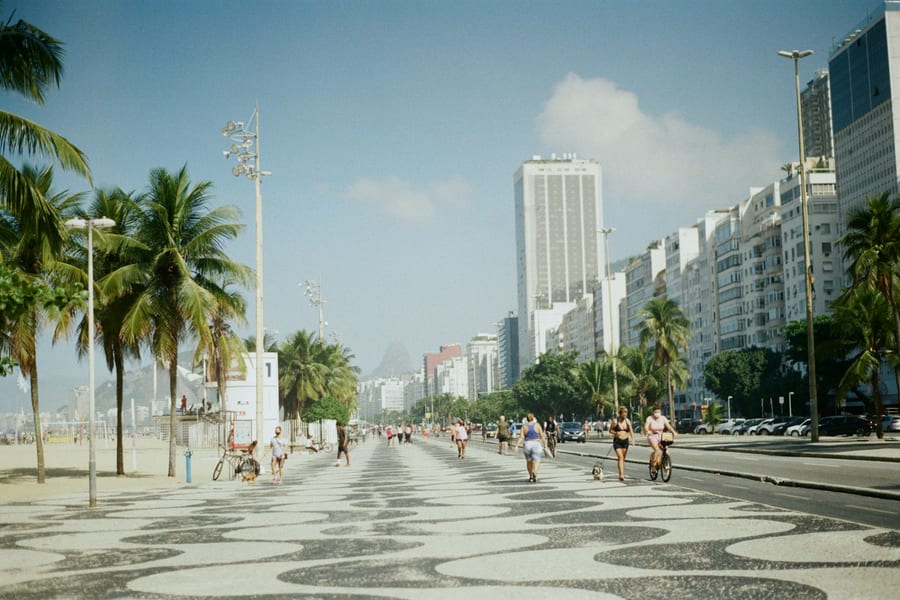
Picture this. It is just after sunrise on Copacabana, the air still cool and faintly salty, the sand freshly raked into long combed lines. A vendor sets out his first coconuts. And rolling toward the water, not stuck behind it, not watching from a kiosk, comes a traveler in a floating beach wheelchair, wheels fat as inner tubes, heading straight for the Atlantic.
That is the Brazil we want you to see. Not the one where access is an afterthought, but the one where, with the right planning and the right people on the ground, the country opens up. This is your complete guide to accessible travel in Brazil, honest about what is hard, generous with what is possible, and built entirely around you.
We are a Rio-based team, and accessible travel is the heart of what we do. We have pushed chairs across that exact sand, ridden the elevators up Corcovado, and learned, sometimes the hard way, which ramp is real and which is a painted promise. So let us walk you through it properly: the law that backs you, the sights that genuinely welcome you, the transport that gets you there, and the small insider moves that turn a stressful trip into a glorious one.
Why Brazil is more accessible than you think, and where it still isn't
Here is the thing most articles get wrong: they either oversell Brazil as a seamless accessible paradise, or they scare you off entirely. The truth lives in the middle, and the middle is exciting. Brazil's major attractions have invested seriously in access over the past two decades. Its cities have adapted beach programs that genuinely lead the region. And Brazilians, as a people, are warm, helpful, and quick to lend a hand, sometimes before you have even finished asking.
But Brazil is also a country of colonial cobblestones, steep favela-dotted hills, sidewalks that heave with tree roots, and infrastructure that varies wildly from one block to the next. A five-star hotel may have a flawless roll-in shower while the restaurant next door has a single step at the door and no way around it. The skill, and this is exactly what a local team gives you, is knowing the difference in advance.
Accessible Brazil is not a place you find. It is a trip you build, piece by verified piece.
That phrase matters, because it is also our promise and our caution. We do not make blanket accessibility claims. Every detail, the width of a doorway, the presence of a ramp, whether a beach point has a chair available that day, is confirmed per traveler, for your specific needs, before you go. No two bodies are the same, and no two itineraries should be either.
Want us to start checking real access details for the sights you have your heart set on? We are happy to dig in.
Plan my trip on WhatsAppThe law on your side: Brazil's Inclusion Law and NBR 9050
Knowledge is power, and in Brazil the law is firmly on your side. In 2015, Brazil passed the Lei Brasileira de Inclusão da Pessoa com Deficiência, the Brazilian Inclusion Law, also called the Statute of the Person with Disability. It is a broad civil-rights framework that treats accessibility as a right, not a courtesy, covering transport, tourism, public spaces, communication, and services.
Underpinning the physical side of all this is a technical standard with a very unglamorous name and a very useful purpose: ABNT NBR 9050, the Brazilian standard for accessibility of buildings, furniture, spaces, and urban equipment. It is the document that defines things like ramp gradients, door widths, and grab-bar placement. When a Brazilian venue says it is "dentro da norma" (within the standard), this is the norm they mean.
Why should a visitor care about an acronym? Because it gives you leverage and language. Newer public buildings, airports, and major attractions are built to these rules, which is precisely why so many of Brazil's headline sights have surprisingly good access. And when something falls short, you are not asking for a favor, you are pointing to a standard the country has set for itself.
Insider tip
The Portuguese word to learn is acessível (accessible) and the magic phrase is "tem acesso para cadeirante?", "is there wheelchair access?" Brazilians appreciate the effort, and you will get a far more precise answer than pointing at a chair.
Christ the Redeemer: the elevators almost nobody mentions

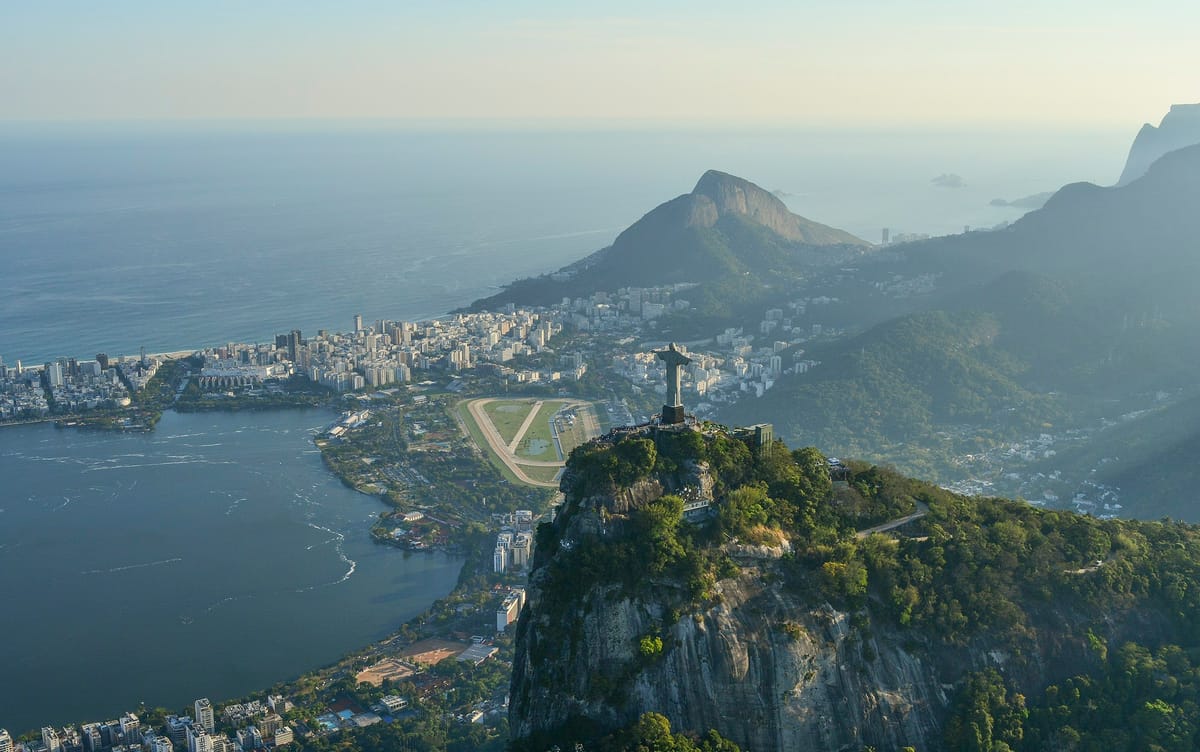
Let's talk about the big one. Christ the Redeemer stands atop Corcovado mountain, arms open over the city, and for years it had a fearsome reputation among travelers with mobility needs: a famous flight of stairs to the statue's feet. What many guides still fail to mention is that this changed years ago.
In the 2000s, the sanctuary installed a system of panoramic elevators and escalators that carries visitors up through the final levels to the viewing terrace, bypassing the main staircase. Combined with the cog train or official authorized vehicles that climb through the Tijuca forest, this makes one of the New Seven Wonders of the World genuinely reachable for many wheelchair users, a fact that still surprises seasoned travelers.
It is not effortless, and we will be honest with you: the upper terrace can be crowded, the weather changes fast at that altitude, and the train and elevator combination requires planning around timed entries. But the core barrier, those steps, has a real, working solution. For the full play-by-play on getting up there, our dedicated guide to visiting Christ the Redeemer goes deeper.
Best time to go up
Aim for the first entry slots of the morning. The light is soft, the air clearer, and, crucially, the terrace is far less crowded, which matters enormously when you are navigating in a wheelchair and the platform fills with selfie-takers by mid-morning. Clouds also tend to roll in over Corcovado as the day heats up, so early gives you the best odds of that postcard view of Rio's destinations spread below.
Sugarloaf Mountain: cable cars built to carry everyone
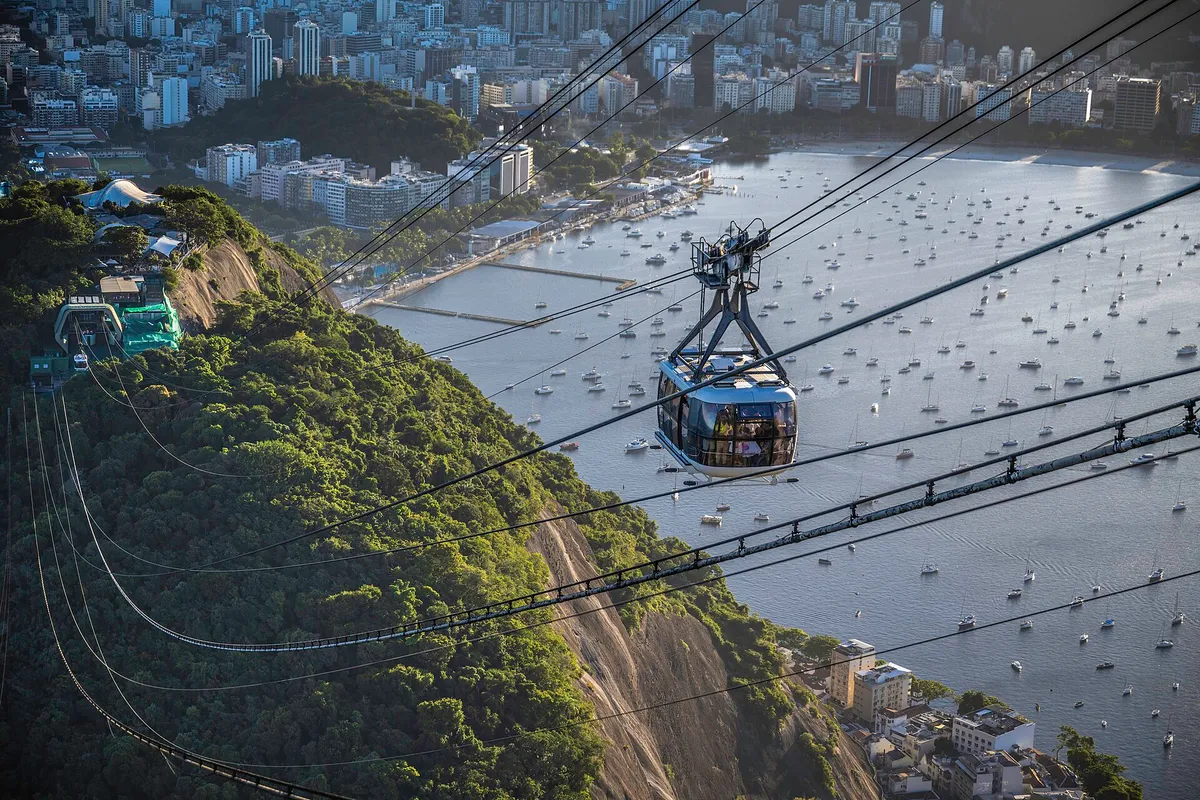
Pão de Açúcar, Sugarloaf Mountain, is, in our experience, one of Rio's more navigable marquee attractions. The journey happens in two cable-car stages: from Praia Vermelha up to Morro da Urca, then from Urca to the summit of Sugarloaf itself. The modern cable cars are spacious, and the stations are designed with accessible routes, lifts, and adapted restrooms.
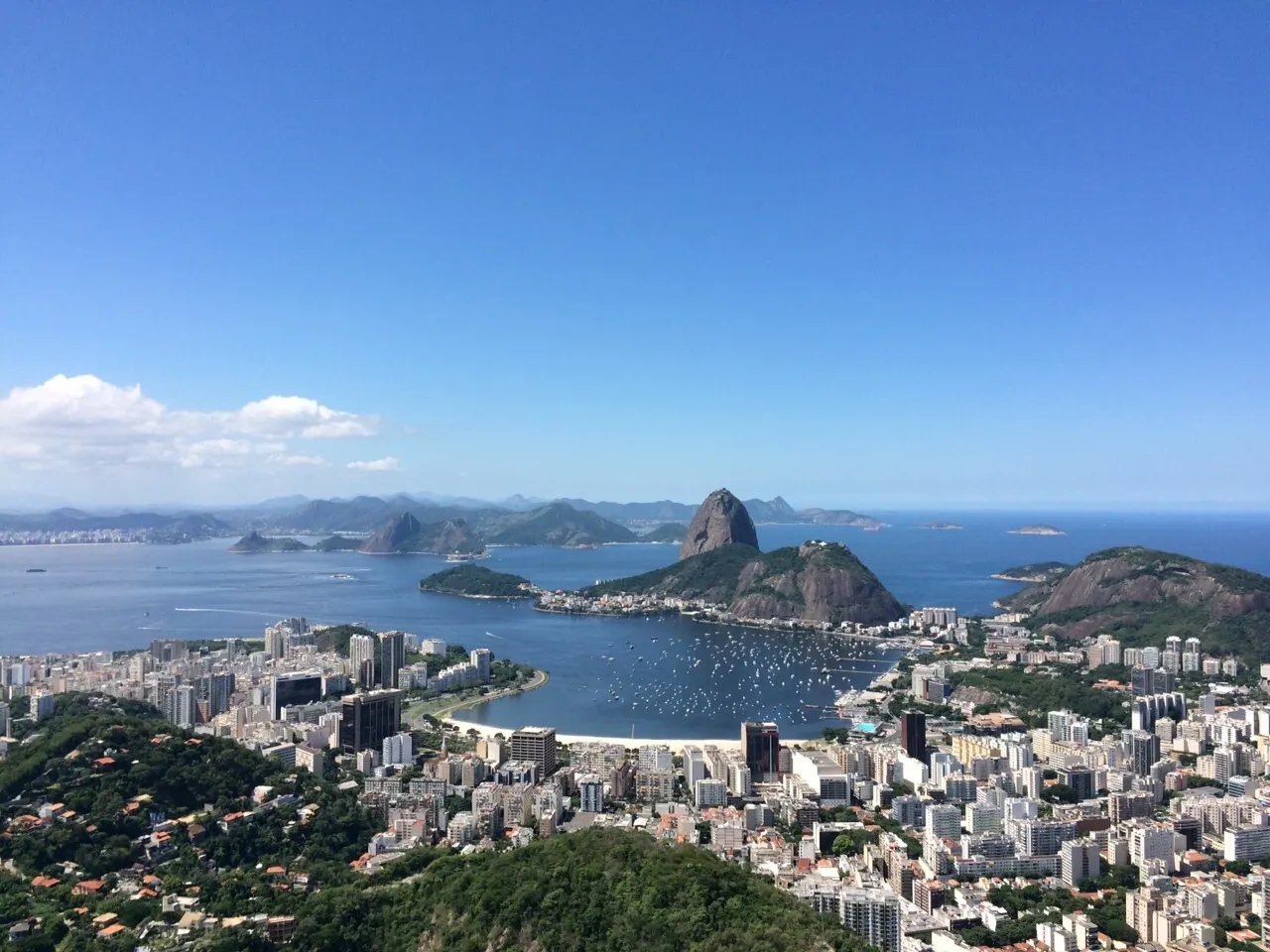
The reward is one of the great urban panoramas on Earth: Guanabara Bay glittering, the city curving away toward the Christ statue, and at sunset, the whole bowl of Rio turning gold then violet. Here is the local move most tourists miss, go up in the late afternoon, watch the sunset from Morro da Urca, and ride down after dark when the city is a carpet of lights. The crowds thin, the heat breaks, and the view doubles.
Insider tip
The lower station at Praia Vermelha sits beside a small, calm beach and a flat, shaded nature trail (the Pista Cláudio Coutinho) that hugs the base of the mountain. It is one of Rio's most underrated accessible-friendly strolls, and you might spot wild marmosets in the trees.
Praia para Todos: Rio's adapted beaches and floating wheelchairs
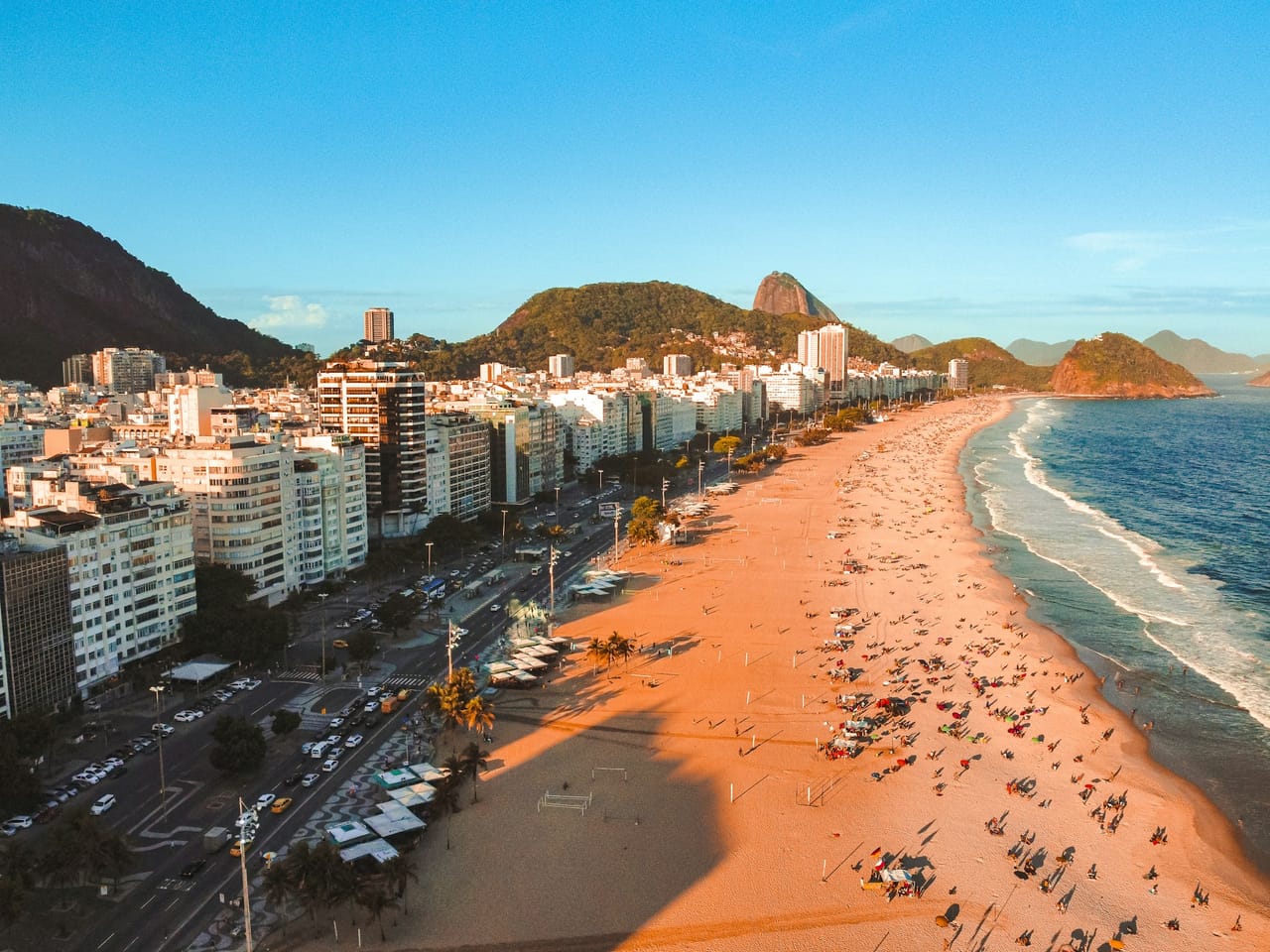
This is the part that makes people's eyes go wide. For many travelers with disabilities, the beach is the place that always slipped away, too much soft sand, too far to the water. Rio changed that. The city runs adapted beach points, often under the banner of "Praia para Todos" (Beach for Everyone), at locations along Copacabana, Leme, and out in Barra da Tijuca.
At these points you will typically find mobi-mats, firm rollout pathways that let wheels and walkers cross the sand to the shoreline, plus amphibious "floating" beach wheelchairs with buoyant wheels that can go right into the surf, along with trained staff and shade. The feeling of rolling into the warm Atlantic, supported and safe, is something travelers describe to us for years afterward.

A few honest notes. Operating points, hours, and availability of the chairs vary by season and by day, and demand can be high on summer weekends. This is exactly the kind of detail we confirm per traveler before your trip rather than promising blind, which day, which point, which chair. The classic, wave-patterned Copacabana promenade itself, by the way, is gloriously flat and one of the best long, accessible rolls in the city, lined with kiosks for an icy água de coco.
Insider tip
Go on a weekday morning. The beach points are calmer, the staff have more time, the sun is gentler, and you will not be competing with the cariocas (Rio locals) who flood the sand after lunch on weekends.
Dreaming of rolling into the Atlantic at one of Rio's adapted beach points? Tell us your dates and we will check what is running.
Plan my trip on WhatsAppIguaçu Falls: the boardwalk that floats over the cascades
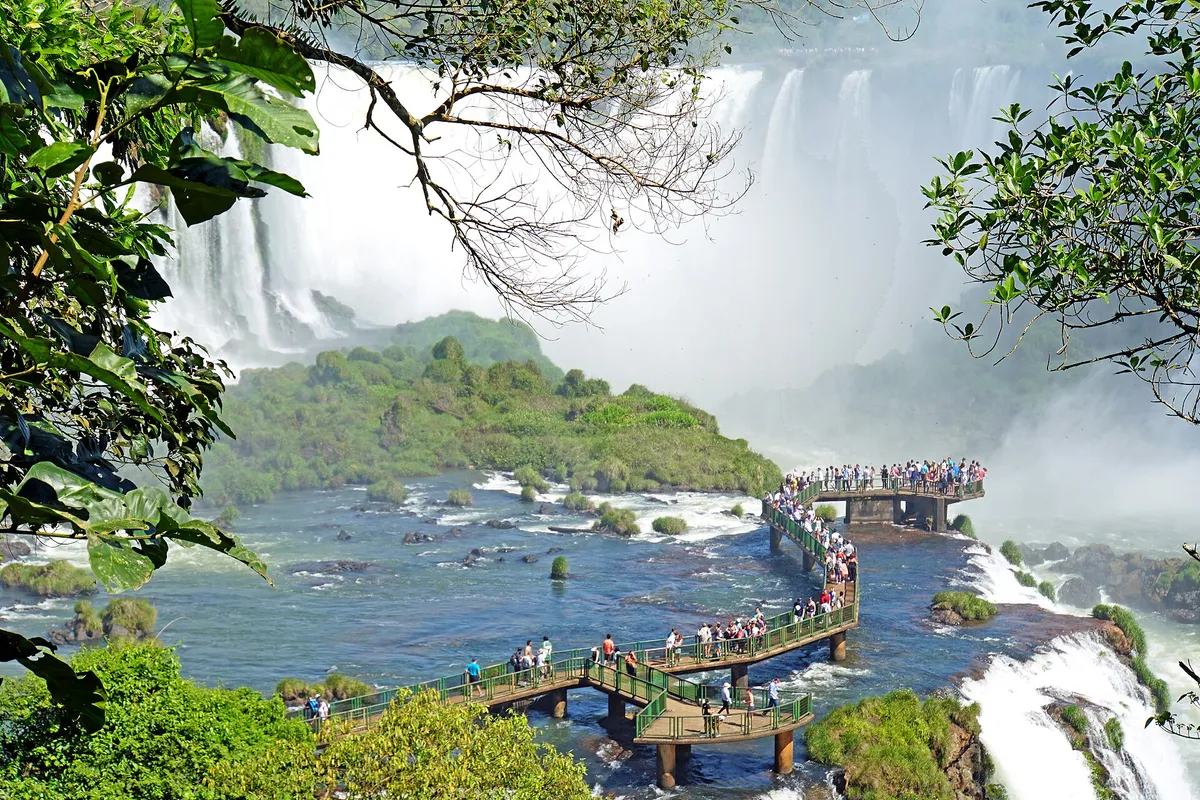
If there is one natural wonder that surprises people with how accessible it can be, it is Iguaçu Falls. Straddling the border of Brazil and Argentina, this is one of the largest waterfall systems on the planet, a roaring, mist-throwing amphitheater of hundreds of cascades. The Brazilian side is celebrated precisely for its panoramic perspective, delivered along a network of largely flat, paved trails and elevated boardwalks that bring you breathtakingly close to the water.
Within the Brazilian national park, accessible shuttle buses run from the entrance along the route, and the main panoramic walkway is one of the more wheelchair-friendly nature experiences in South America. The grand finale, a walkway pushing out toward the thundering Garganta do Diabo (Devil's Throat), will leave you soaked and grinning.
Which side should you choose? Each offers something different, and we break down the whole debate in our guide to Iguaçu Falls, Brazil versus Argentina. For travelers prioritizing flat, sweeping, lower-effort access, the Brazilian side's panoramic trail is usually the gentler introduction.
Did you know?
Iguaçu Falls Brazilian side is part of a national park recognized as a UNESCO World Heritage Site, protecting one of the largest remnants of Atlantic Forest in the region, so as you roll the boardwalk, you are inside a rare and precious ecosystem, not just a viewpoint.
Getting around: accessible transport in Brazil
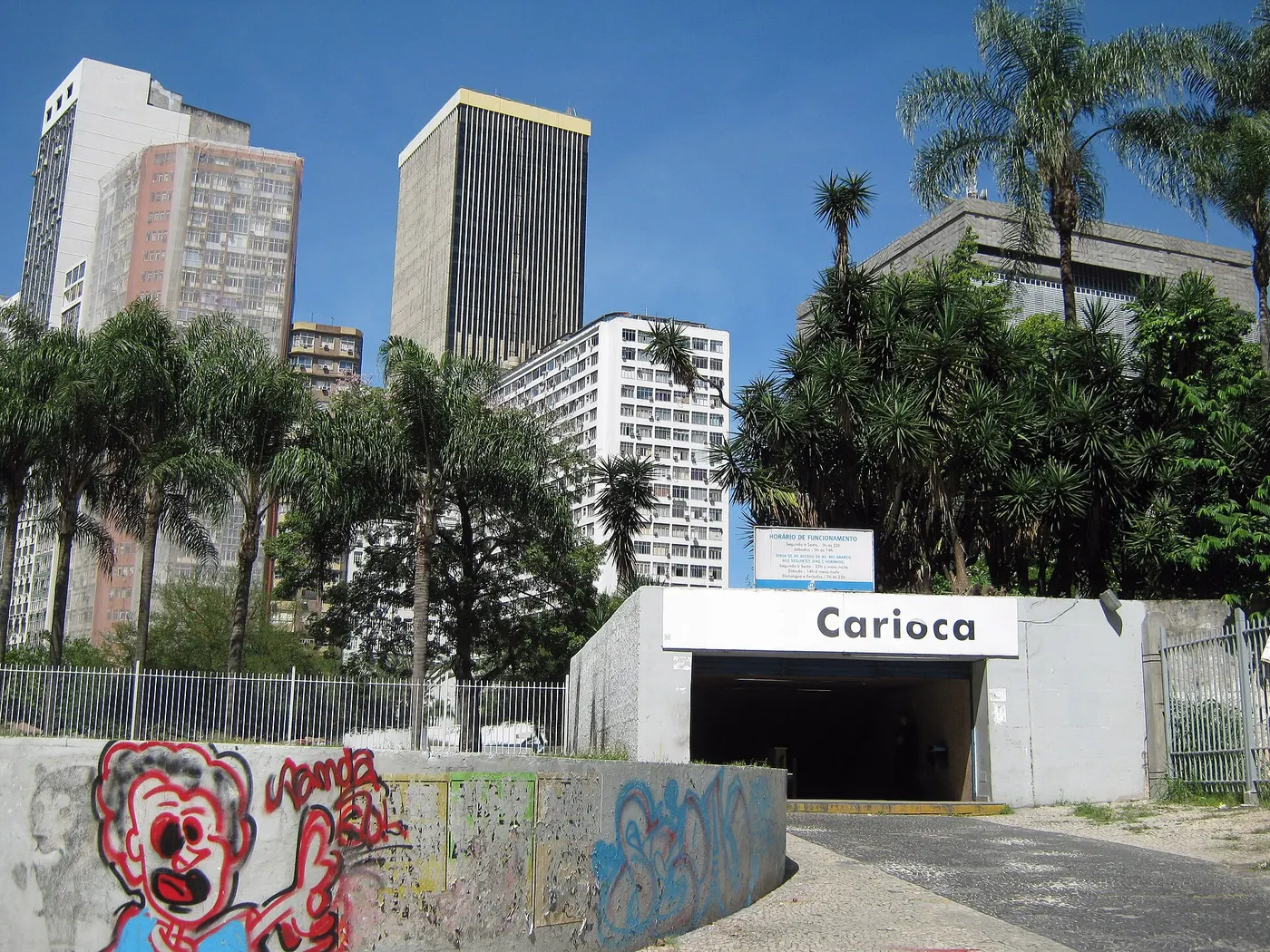
Transport is where good planning pays off most. In Rio and São Paulo, the metro systems are among the more accessible in the country, with elevators and adapted access at many stations, though "many" is not "all," so routes need checking station by station. The real backbone of a smooth accessible trip, however, is pre-booked adapted vehicles with ramps or lifts and trained drivers.
This is precisely why we lean on private, accessible transport for our Rio day tours. A driver who knows which museum entrance has the working lift, which beach point to pull up beside, and how to avoid the cobblestone gauntlet is worth more than any map. Regular street taxis and ride apps in Brazil are rarely wheelchair-adapted, so spontaneous hailing is not a reliable plan for chair users.
Domestic flights connect Brazil's vast distances, and major airports, Rio's Galeão and Santos Dumont, São Paulo's Guarulhos, and others, are built to current accessibility standards with assistance services. Always request assistance when booking your flight, and reconfirm; the service exists, but it works best when expected.
Insider tip
Brazil is enormous, far bigger than most first-time visitors realize. Internal flights between regions save days and spare you grueling road transfers. Build them into the plan early; our two-week Brazil itinerary shows how the distances really stack up.
Where to stay: vetting accessible accommodation
A hotel website that says "accessible room" can mean a flawless roll-in wet room with grab bars and a wide door, or a standard room with a slightly larger bathroom and a step you cannot clear. The gap between those two is the difference between a great trip and a miserable one, and photos online rarely tell the truth.
This is where we get specific on your behalf. The questions that actually matter: exact door widths, whether the bathroom has a roll-in shower or a tub, the height of the bed, whether there is a step at the building entrance, lift dimensions, and whether the "accessible" room is genuinely available on your dates. We confirm these details directly rather than trusting a booking-site checkbox, because we have been burned by those checkboxes, so you do not have to be.
For sensory needs, the considerations shift: quieter floors away from elevators and street noise, rooms with good natural light, predictable layouts, and staff briefed in advance. None of this is one-size-fits-all, which is the whole point.
Beyond mobility: sensory, cognitive, and other needs
Accessible travel is far broader than ramps, and Brazil is slowly catching up across the spectrum. For blind and low-vision travelers, several major museums and cultural sites offer tactile exhibits and Braille signage, and a knowledgeable guide who describes vividly, the texture of the Pelourinho cobbles, the colors of a Carnival costume, transforms the experience.
For Deaf and hard-of-hearing travelers, Brazil has its own sign language, Libras (Língua Brasileira de Sinais), which is officially recognized, and some venues provide Libras interpretation. For neurodivergent travelers and families, the move is pacing: quieter hours, fewer transitions, downtime built in, and avoiding the sensory tidal wave of peak-crowd moments. Many of Brazil's sights are best enjoyed slowly anyway, so this aligns beautifully with traveling well.
Whatever the need, the principle holds. We learn it, we plan around it, and we confirm the specifics, no blanket promises, ever. If you want a fuller picture of how we approach this, our overview of accessible travel with Trip in Brazil lays out the philosophy.
The honest part: what is still hard in Brazil
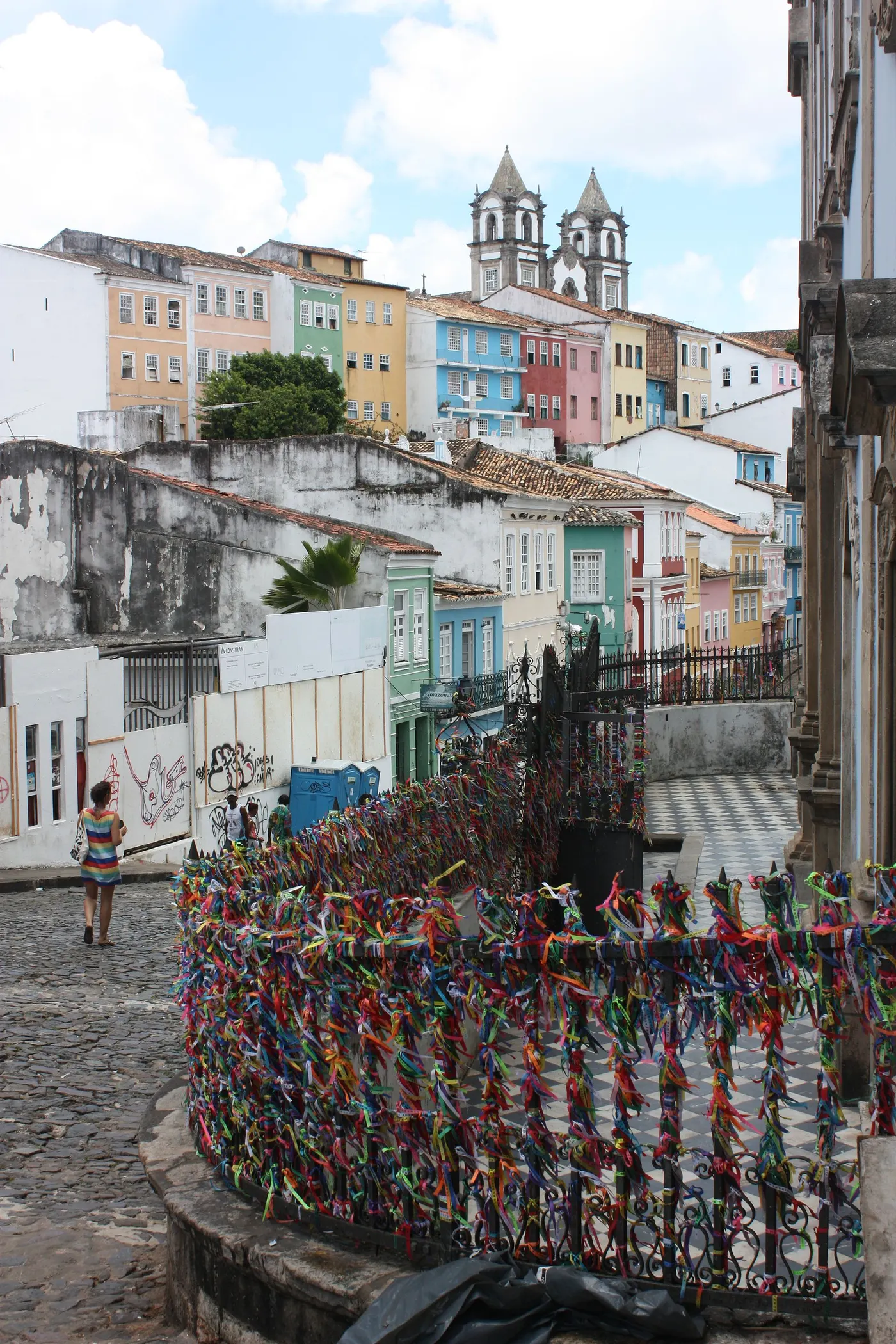
We promised honesty, so here it is. Historic centers like Salvador's Pelourinho are achingly beautiful, a riot of colonial color and the beating heart of Afro-Brazilian culture, and their cobblestones are brutal on wheels. Steep streets, cobbles, and uneven colonial sidewalks are facts of life in Brazil's oldest, most atmospheric quarters.
Sidewalks generally can be inconsistent: a smooth stretch can end abruptly at a missing curb cut or a parked car. Beach kiosks and small restaurants may have a step at the door. And in remote regions, parts of the Amazon, the dunes of Lençóis Maranhenses, wild terrain is simply wild terrain, though even there, some lodges and operators are working hard on access.
None of this is a reason to stay home. It is a reason to plan with people who know the ground. The barriers are real but navigable; the trick is routing around them on purpose rather than discovering them by surprise.
Rio beyond the postcards: accessible culture and the Maracanã
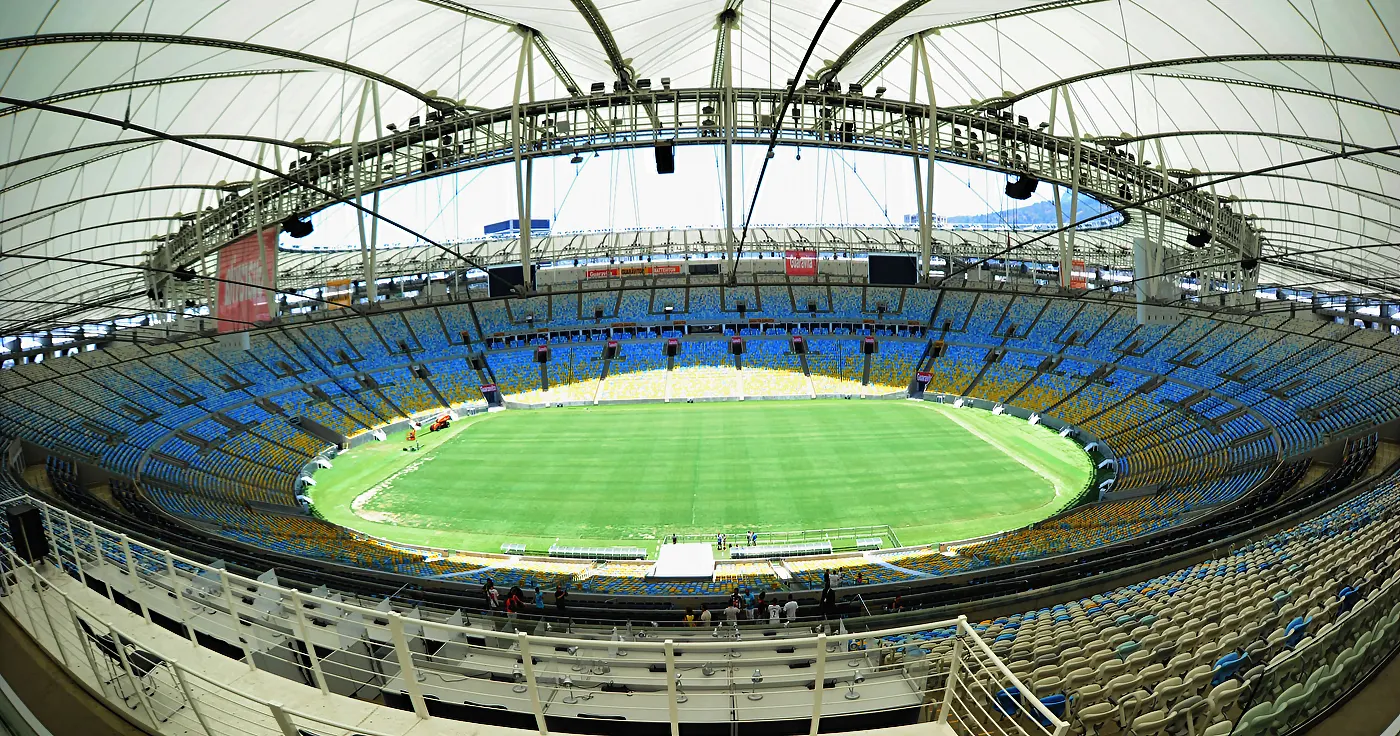
There is so much more to Rio than the famous trio. The Maracanã stadium, one of the most storied football grounds on the planet, host of two World Cup finals, is one of the city's more reliably accessible large venues, with designated seating and access routes. Catching a match here, the crowd singing in waves, is a sensory thunderclap of the good kind.
The revitalized port district around the Museu do Amanhã (Museum of Tomorrow), modern cultural centers, and many of the city's newer attractions were built or renovated to current accessibility standards. These tend to be far smoother than the historic colonial sites, and they are wonderful. For a fuller menu, see our roundup of things to do in Rio de Janeiro.
And do not miss the food. Brazilian cuisine is a journey of its own, from the dendê-rich moquecas of Bahia to a perfect pão de queijo, and most restaurants are warm about accommodating you. Our guide to Brazilian dishes to try will get your appetite going.
When to go: timing for comfort and crowds
Timing shapes an accessible trip more than people expect, because heat and crowds are themselves barriers. Brazil's seasons are flipped from the Northern Hemisphere: summer runs roughly December to February, hot and busy; winter, around June to August, is milder and quieter in the southeast. For comfortable temperatures and thinner crowds, which means easier navigation, more attentive staff, and shorter waits at elevators and cable cars, the shoulder seasons are often ideal.
If you are weighing dates, our full breakdown of the best time to visit Brazil covers it region by region. One caution: Rio Carnival is spectacular but intensely crowded, which can be challenging for mobility and sensory needs alike, go in with a deliberate, well-supported plan or choose a calmer window.
Insider tip
Whatever the season, plan around the daily heat curve, not just the calendar. Outdoor sights in the early morning, indoor or shaded spots over midday, and the coast or a viewpoint for the cooler late afternoon. Your energy will last, and so will your patience.
Is it safe? A quick, honest word
Safety questions come up constantly, and they deserve a straight answer rather than hand-wringing. Brazil rewards street smarts: keep valuables low-key, use trusted transport, and follow local guidance about which areas and times suit you. Traveling with a local team adds a real layer of reassurance, especially when you are managing mobility or sensory needs and do not want surprises. We cover the nuances properly in our guide to whether Brazil is safe for tourists.
How we build your accessible trip
Here is how it actually works with us, and why the per-traveler approach is not a disclaimer but the whole method. You tell us about you, your equipment, your mobility, your sensory needs, what excites you, what you would rather skip. We design a route that flows logically and gently, then we go to work confirming the specifics: the room, the ramp, the beach chair, the transport, the entrance with the working lift.
Where something cannot be verified to your standard, we say so and find an alternative. That is the difference between a checkbox and a real trip. You should be free to feel the place, the samba drifting from an open door, the smell of grilling at a beach kiosk, the spray of Iguaçu on your face, not to be managing logistics on the fly.
Key takeaways
- Brazil's Inclusion Law (2015) and the NBR 9050 standard mean major, newer attractions often have genuinely good access.
- Christ the Redeemer has panoramic elevators and escalators (added in the 2000s) that bypass the famous stairs; Sugarloaf's cable cars and stations are among Rio's most navigable.
- Rio's "Praia para Todos" adapted beach points offer mobi-mats and floating wheelchairs at spots along Copacabana, Leme, and Barra, availability varies and is confirmed per traveler.
- Iguaçu's Brazilian side is famous for flat, panoramic boardwalks and accessible shuttles.
- Historic cobblestone centers, inconsistent sidewalks, and remote wild terrain are the real remaining challenges, navigable with local planning.
- Everything is confirmed per traveler. No blanket promises.
Brazil is ready to welcome you, not perfectly, not everywhere, but more than you have probably been told, and in ways that will stay with you for life. The country has done real work to open its wonders. Our job is to connect the dots so that, when you arrive, the only thing left to do is feel it.
Tell us who is traveling and what you dream of seeing, we will build an accessible Brazil trip around you, detail by verified detail.
Plan my trip on WhatsAppImage credits: Donatas Dabravolskas / CC BY-SA 4.0, via Wikimedia Commons; NMaia / CC BY-SA 4.0, via Wikimedia Commons; Dennis G. Jarvis / CC BY-SA 2.0, via Wikimedia Commons; Halley Pacheco de Oliveira / CC BY-SA 3.0, via Wikimedia Commons; Arian Zwegers / CC BY 2.0, via Wikimedia Commons; Валерий Дед / CC BY 3.0, via Wikimedia Commons; MKP27091961 / CC BY-SA 3.0, via Wikimedia Commons. Other photos via Unsplash or in the public domain.