Trip in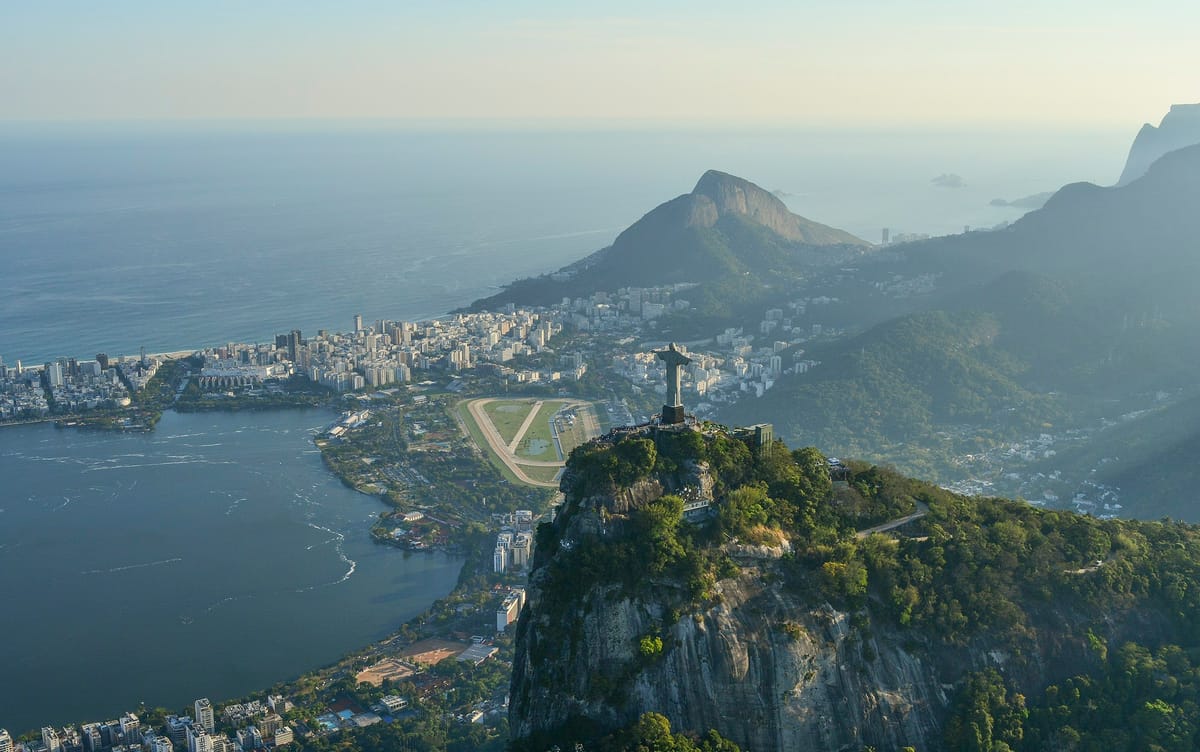
Here is the first thing you need to understand about a Brazil itinerary: this is not a country, it's a continent wearing a single flag. Brazil is larger than the contiguous United States, touches every South American nation but two, and spans nearly four time zones. A "quick hop" between two of its highlights can be a five-hour flight over unbroken green.
So when you have two weeks, the sweet spot for a first visit, the art is not in cramming everything in. It's in choosing a route that flows, that lets you breathe between the marvels, and that leaves you wanting to come back (you will). After years of guiding travelers from our home base in Rio, here's the 14-day route we'd plan for our own family's first trip.
The spine of this itinerary is simple and bulletproof: start in Rio de Janeiro, fly to Iguacu Falls, then choose your own ending, the hush of the Amazon, or the drums and golden coastline of the Northeast around Salvador. Three regions, three completely different Brazils, all reachable by internal flights you can knit together. Let's walk it day by day.
Why Rio first, and why two weeks is exactly right
Rio is the perfect overture because it does everything at once, mountains plunging straight into the sea, world-famous beaches, baroque churches, samba spilling out of doorways at midnight, and a warmth in its people (the cariocas) that recalibrates your whole idea of friendliness. It also has the country's busiest international gateway, so you'll likely land here anyway. Give it four nights. Any less and you're rushing the city that invented unrushing.
Two weeks works because it respects Brazil's scale without surrendering to it. You get three meaningful regions instead of a blur of airports. You bank a rest day or two so jet lag and the tropical sun don't flatten you. And you build in slack for the one immutable truth of Brazilian travel: flights shift, rain arrives, and the best afternoons are the unplanned ones. If you want help stitching the bookings together, you can always plan a trip with our team who do this routing every week.
Not sure whether to end your trip in the Amazon or on a Bahian beach? Tell us how you travel and we'll map the perfect version for you.
Plan my trip on WhatsAppDays 1–4: Rio de Janeiro, the marvelous city
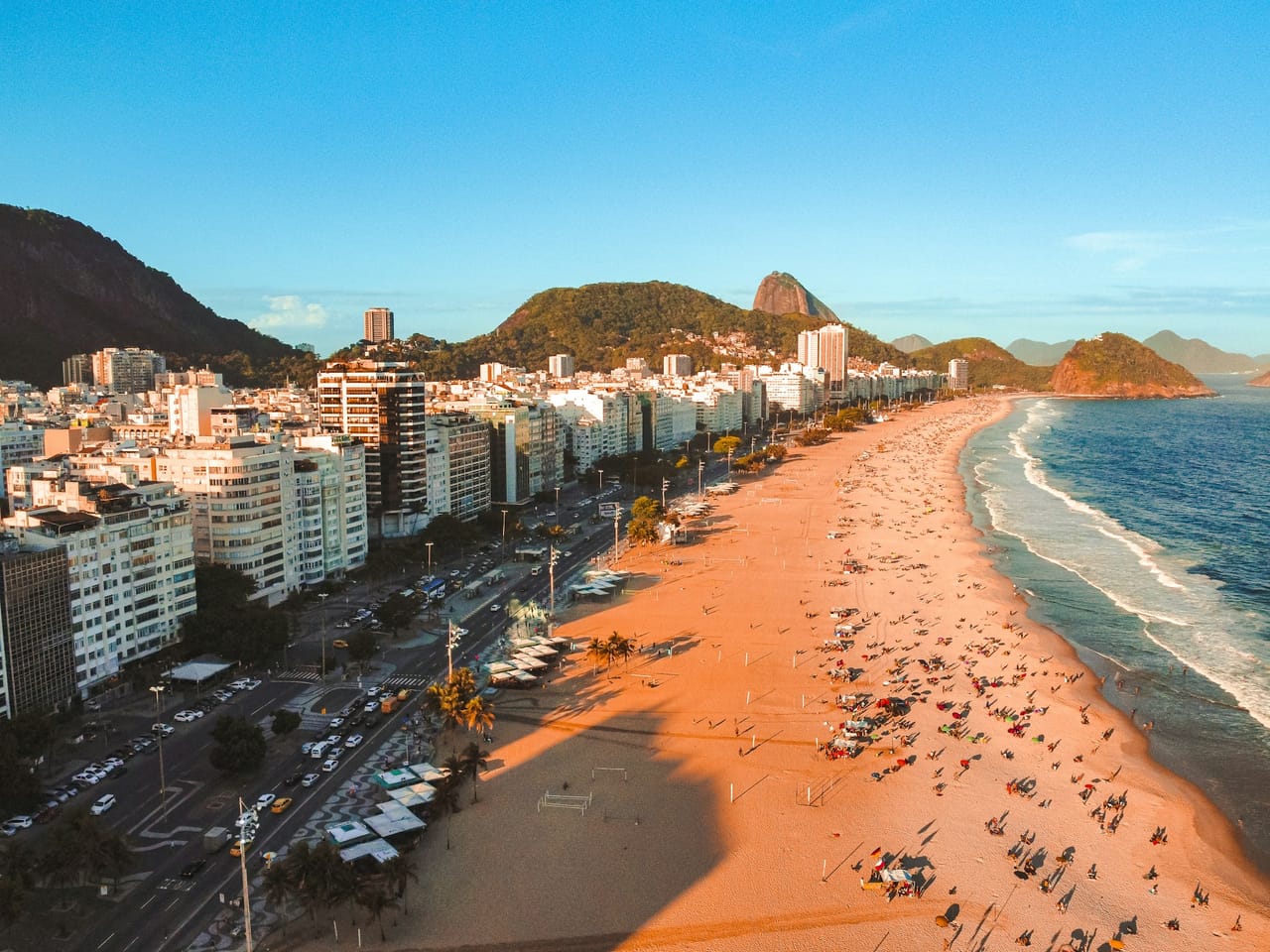
Rio's nickname, Cidade Maravilhosa, the Marvelous City, isn't tourist-board fluff; it was popularized by a 1934 marchinha (a Carnival march) that cariocas adopted as a kind of municipal anthem. Spend your first morning easing in slowly. Walk the black-and-white wave mosaic of Copacabana's promenade, designed in its current sweeping form by the great landscape architect Roberto Burle Marx. Get a coconut water from a kiosk, watch the old men play their cards, and let the city's rhythm find you.
Must-see:Christ the Redeemer atop Corcovado. The statue was completed in 1931, stands 30 metres tall on a 8-metre pedestal, and was voted one of the New Seven Wonders of the World in 2007. Go at opening time or late afternoon to dodge the thickest crowds and the harshest light.
Hidden gem: Most visitors photograph the Selaron Steps (the Escadaria Selaron in Lapa) and leave. Instead, climb to the top, turn into the lanes of Santa Teresa, and ride the restored yellow bondinho tram, the last survivor of a once-vast streetcar network. The neighborhood's hillside artist studios and ruin-bar viewpoints are where cariocas actually spend their Sundays.

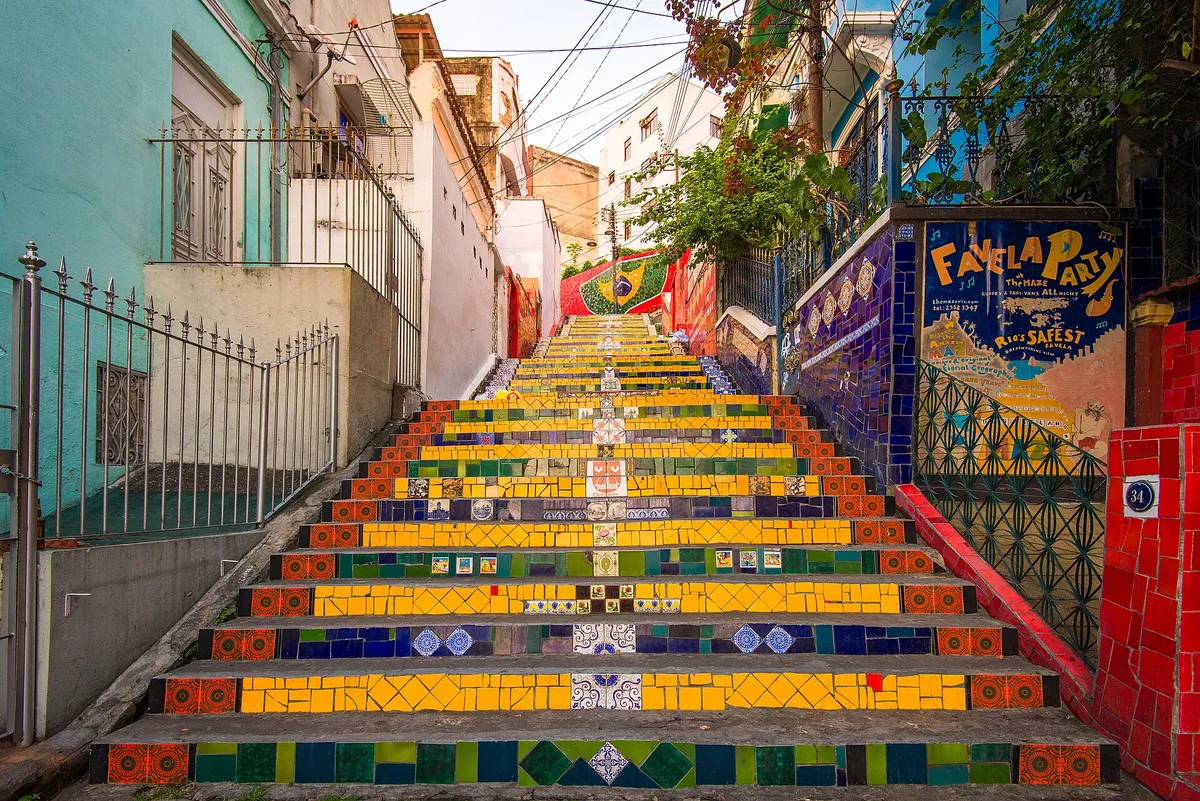
Fascinating fact: The artist Jorge Selaron, a Chilean, spent over two decades covering those steps with more than 2,000 tiles sent from over 60 countries by visitors. He called it "my tribute to the Brazilian people" and considered it a work he would never finish.
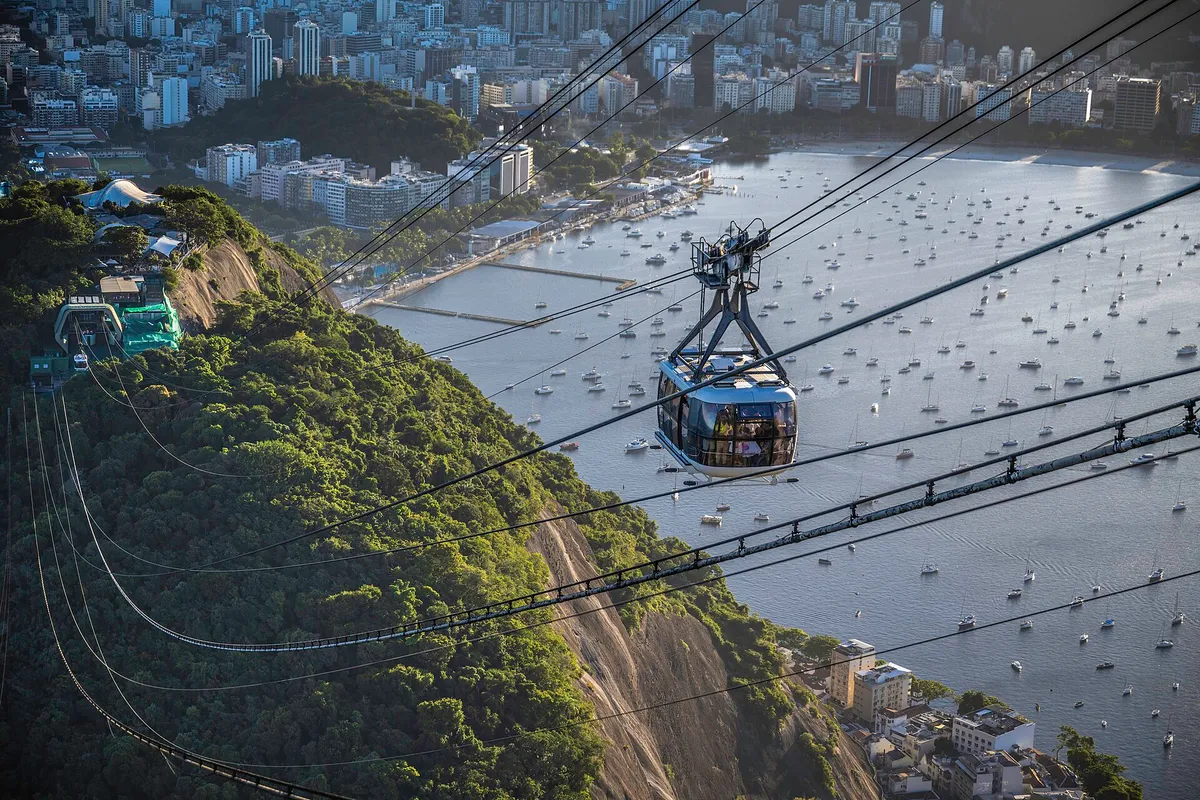
On day three, ride the cable car up Pao de Acucar (Sugarloaf Mountain). The bondinho here, inaugurated in 1912, was one of the first cable cars built anywhere in the world. Time your ascent for the hour before sunset: you go up in daylight and come down into a city turning to gold and then to glitter.
Insider tip
Skip the taxi line to Christ the Redeemer at midday. The cog-train through the Tijuca Forest, the world's largest urban rainforest, replanted by hand in the 19th century after the hills were stripped for coffee, is half the experience. Book the earliest departure and you'll often have the statue's feet nearly to yourself.
Reserve day four for the things Rio does best: nothing in particular. Drift between Ipanema and Leblon, browse the Sunday Hippie Fair in Ipanema's Praca General Osorio, and end with a sunset at Arpoador rock, where locals applaud the sun as it drops behind the Dois Irmaos peaks. For a deeper list, our guide to things to do in Rio goes well past the postcards, and our private Rio day tours can fold the highlights into a single seamless day if your time is tight.
Brazil isn't a country you tour, it's a continent you fall for, one impossible sunset at a time.
Days 5–7: Iguacu Falls, where the earth cracks open
From Rio, fly southwest to Foz do Iguacu, roughly a two-hour flight. Nothing prepares you for the falls. Iguacu (spelled Iguazu on the Argentine side) is a system of some 275 cascades stretching nearly three kilometres along the border of Brazil and Argentina, set inside a national park that UNESCO named a World Heritage Site in 1986.
The name comes from the Guarani words y (water) and guasu (big): Big Water. When Eleanor Roosevelt first saw them, legend among guides has it she gasped, "Poor Niagara." Whether or not she truly said it, you'll understand the sentiment within thirty seconds.
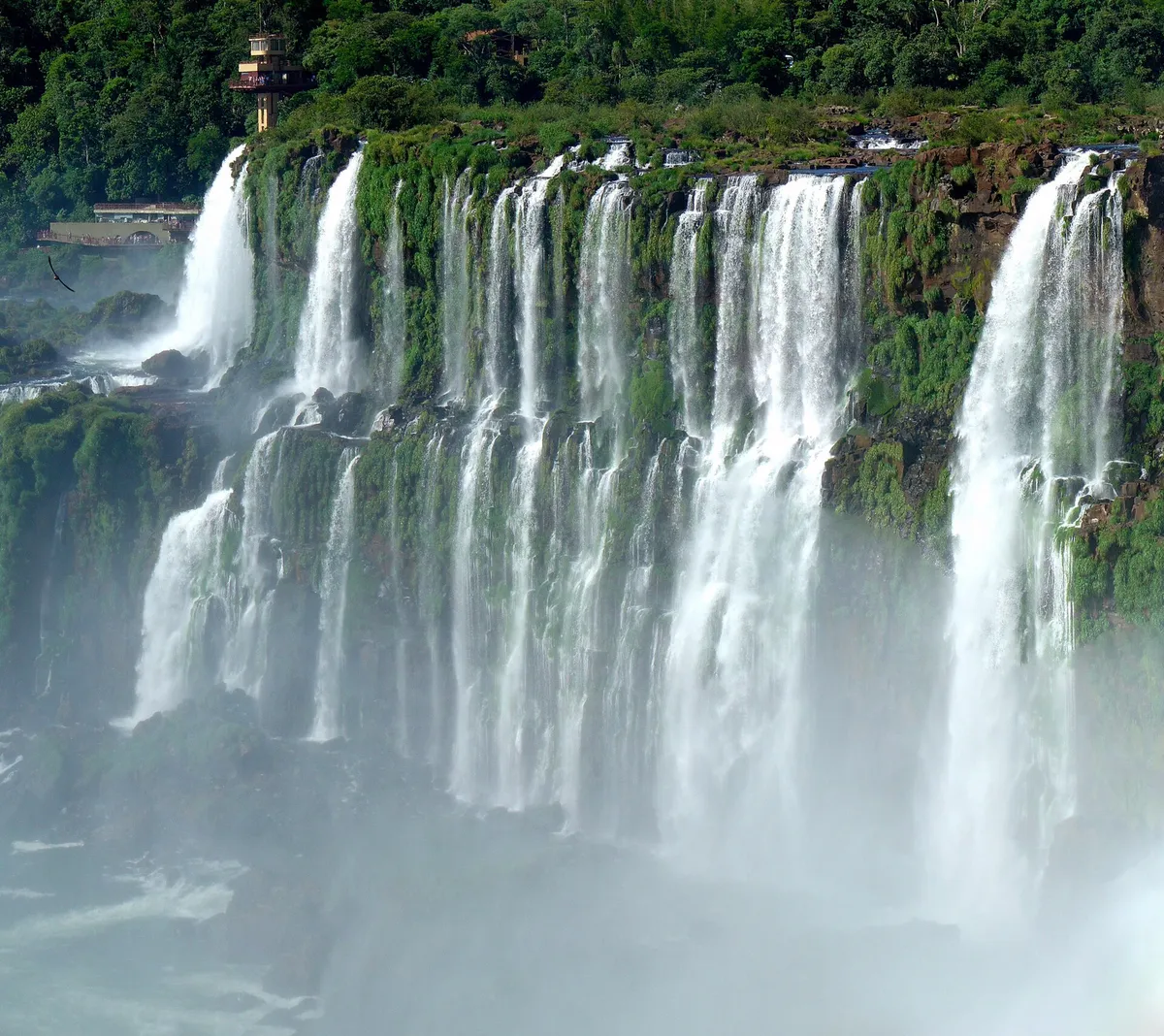
Must-see: The Brazilian-side boardwalk delivers the grand panorama, the whole green amphitheatre of falling water in one staggering sweep, culminating in a catwalk that takes you right into the spray of the Garganta do Diabo, the Devil's Throat, where the river plunges into a horseshoe canyon. You will get soaked. You will not care.
Hidden gem: Cross to the Argentine side for a day (bring your passport). There the trails put you on top of the falls rather than across from them, and the upper circuit lets you stand at the very lip of the Devil's Throat. The two sides aren't rivals, they're two halves of one experience. We break down the differences in our guide to Iguazu Falls Brazil vs Argentina.
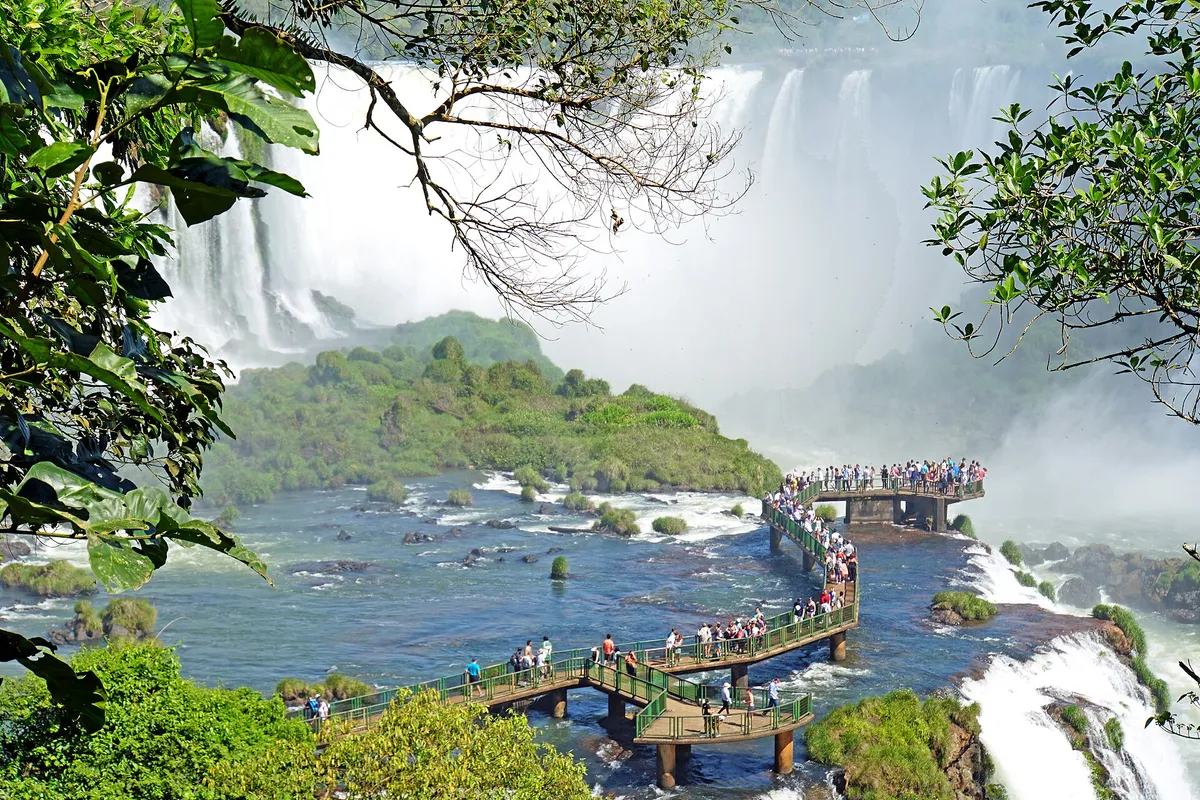
Visiting both sides of Iguacu means a border crossing and careful timing, message us and we'll sort the logistics so you just enjoy the view.
Plan my trip on WhatsAppFascinating fact: The mist from the falls sustains a self-watering microclimate, and the surrounding park shelters jaguars, tapirs, and the cheeky coatis that will absolutely try to raid your lunch, please don't feed them; it harms both you and them.
Insider tip
Arrive at the Brazilian park gate right at opening. The first tour buses haven't disgorged yet, the light is soft, and the rainbows that hang in the Devil's Throat mist are strongest in the morning. By 11am the boardwalk is shoulder to shoulder.
Three nights here is plenty, really two full days, with a buffer for weather and your onward flight. Now comes the fork in the road.
The big choice: Amazon or Northeast?
This is the decision that defines your trip's second half. There's no wrong answer, only the right one for you. Pick the Amazon if you crave raw nature, wildlife, and a place that genuinely rearranges your sense of scale. Pick the Northeast if you want culture, history, music, and beaches that look invented. Below, I've laid out both endings in full, read each, then trust your gut.
Ending A · Days 8–14: The Amazon and the soul of the wild
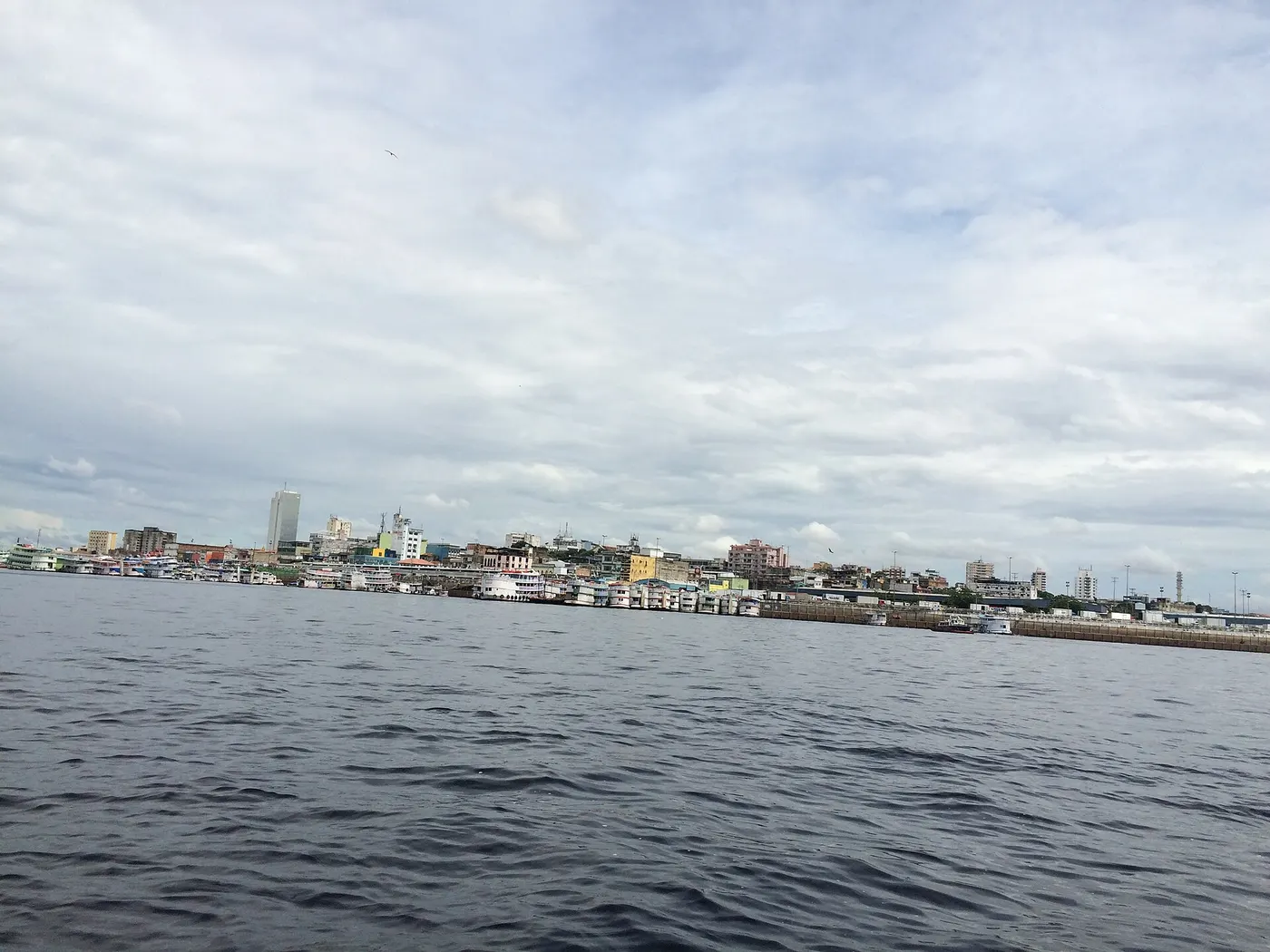
From Foz do Iguacu you'll route through Sao Paulo or Brasilia to Manaus, the improbable city in the middle of the rainforest. It's a long travel day, embrace it; you're crossing a continent. Manaus boomed spectacularly during the rubber era around 1900, and the proof still stands: the Teatro Amazonas, an opera house opened in 1896, with a dome of 36,000 ceramic tiles painted in the colors of the Brazilian flag and materials shipped in from Europe at the height of the rubber barons' wealth.
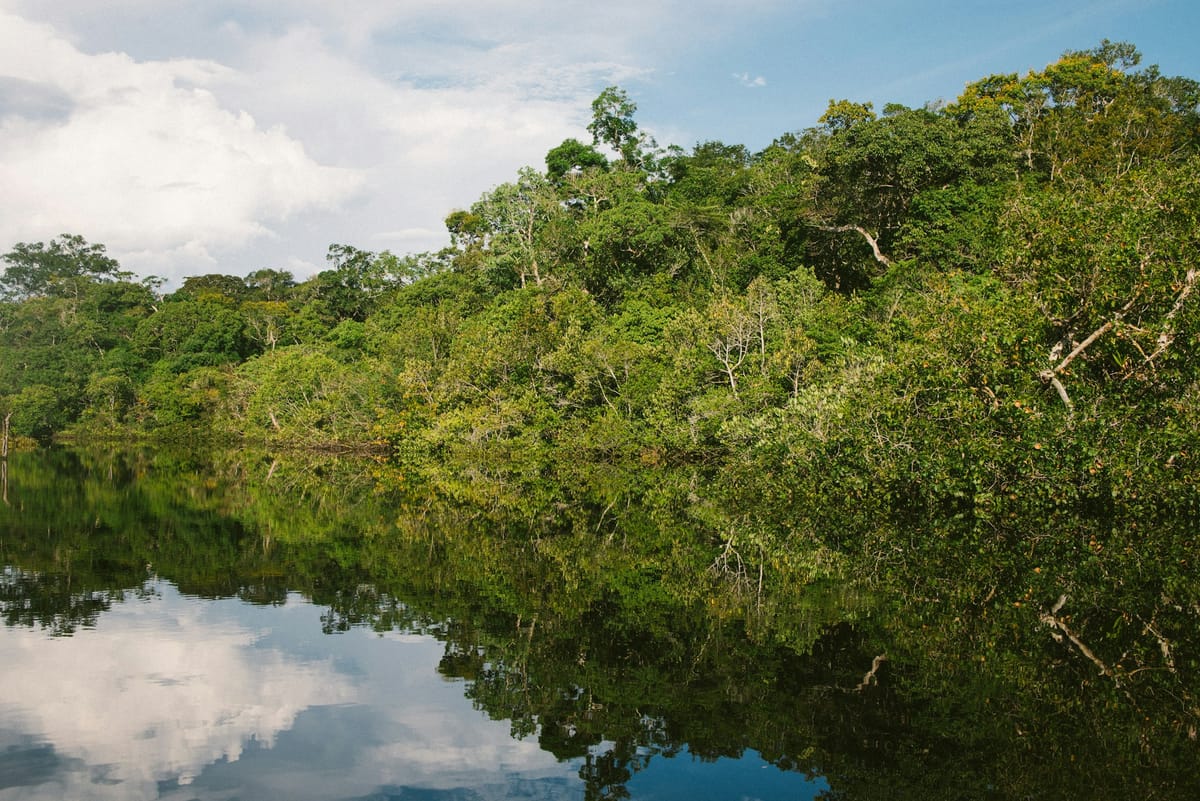
Must-see: The Meeting of the Waters (Encontro das Aguas), just outside Manaus, where the inky-black Rio Negro flows alongside the pale, sandy Rio Solimoes for several kilometres without mixing, two rivers running side by side, divided by a visible seam, because of differences in temperature, speed, and density. It's one of the strangest things you'll ever watch a river do.
Hidden gem: Skip the day-trip mentality entirely and spend three or four nights at a jungle lodge up a quieter tributary, away from Manaus. That's where the Amazon stops being a boat tour and becomes an immersion: dawn birdsong, caiman eyes glinting at night, pink river dolphins surfacing, and the staggering silence broken only by howler monkeys. Our full guide to visiting the Amazon rainforest covers how to choose a lodge well.
Fascinating fact: The Amazon River discharges more water than the next several largest rivers on Earth combined, and the rainforest it feeds stores vast amounts of carbon and helps regulate the planet's climate while hosting an estimated tenth of all known species. Some trees here are taller than a 15-storey building.
Insider tip
The Amazon has two faces: the high-water season (roughly December to May), when you glide by canoe through flooded forest, and the low-water season (June to November), when beaches appear and jungle hikes open up. Neither is "better", but they're very different trips, so choose with intent. Our guide to the best time to visit Brazil breaks the seasons down region by region.
Wind down your final days back in Manaus or, if you'd rather end on a beach, route home via Rio for one last caipirinha by the sea. This ending suits travelers who want to be moved more than entertained, and it pairs beautifully with our notes on accessible Brazil, since lodge and boat access varies widely and is always confirmed per traveler, with no blanket promises.
Ending B · Days 8–14: Salvador and the golden Northeast
From Foz do Iguacu, fly (usually via Sao Paulo) to Salvador da Bahia, the soulful, sun-drunk heart of Afro-Brazilian culture. Salvador was Brazil's first colonial capital, founded in 1549, and for over two centuries it was the country's most important city. That history is written in its cobblestones, its 365-or-so churches, and above all in the descendants of the enslaved Africans who shaped Bahian food, faith, and rhythm into something the whole world now copies.
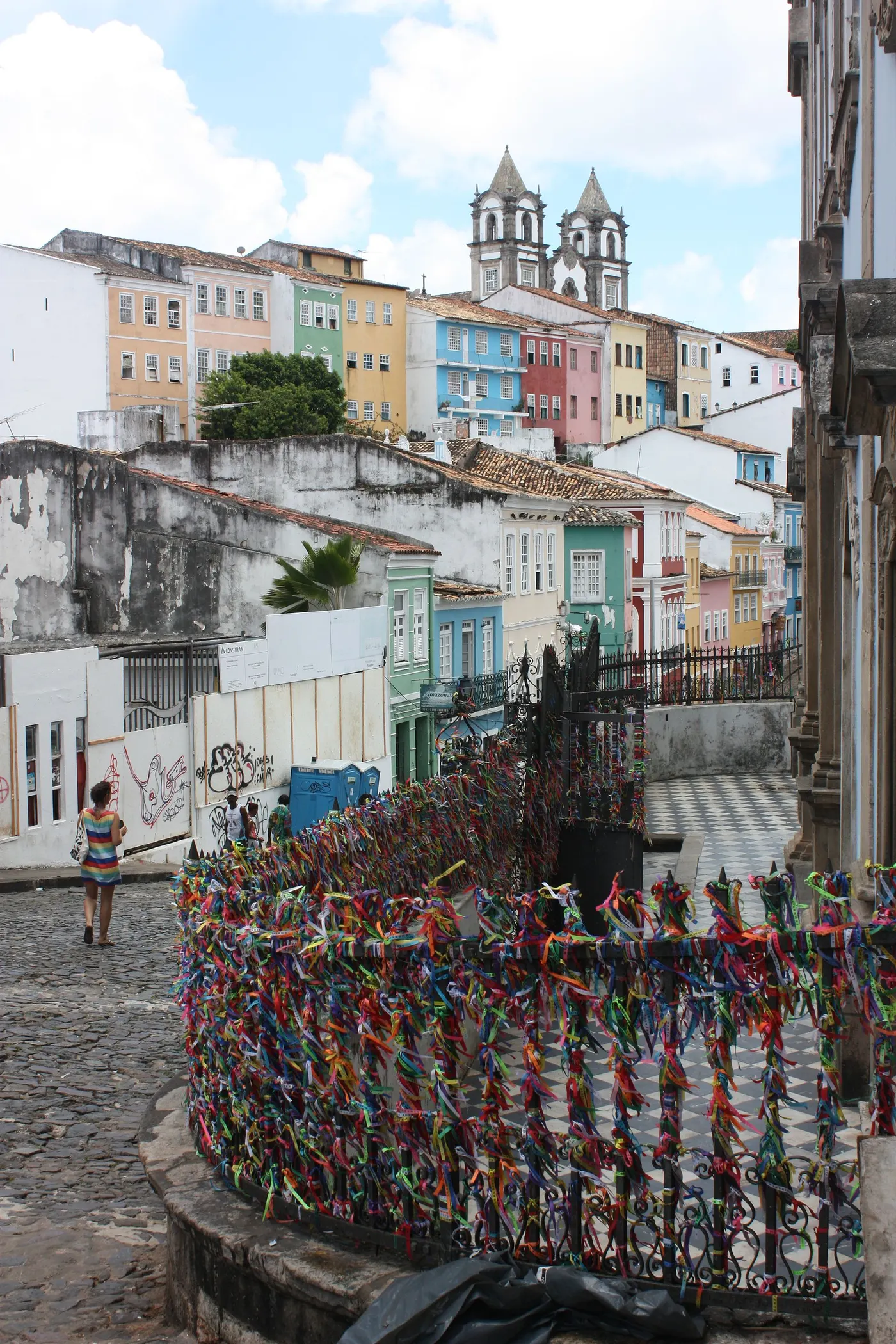
Must-see: The Pelourinho, the historic upper town, a UNESCO World Heritage Site since 1985, with pastel baroque mansions tumbling down steep lanes. Step inside the Igreja de Sao Francisco, where the interior drips with gold leaf in a way that has to be seen to be believed.
Hidden gem: Most tourists stay in the Pelourinho and miss the real pulse. Head to the Rio Vermelho neighborhood at dusk, where Bahians gather at outdoor bars for acaraje, black-eyed-pea fritters fried in dende palm oil by women in white lace dresses, the baianas de acaraje, whose craft is officially recognized as Brazilian cultural heritage. Eating one streetside, salty and hot, beats any restaurant.
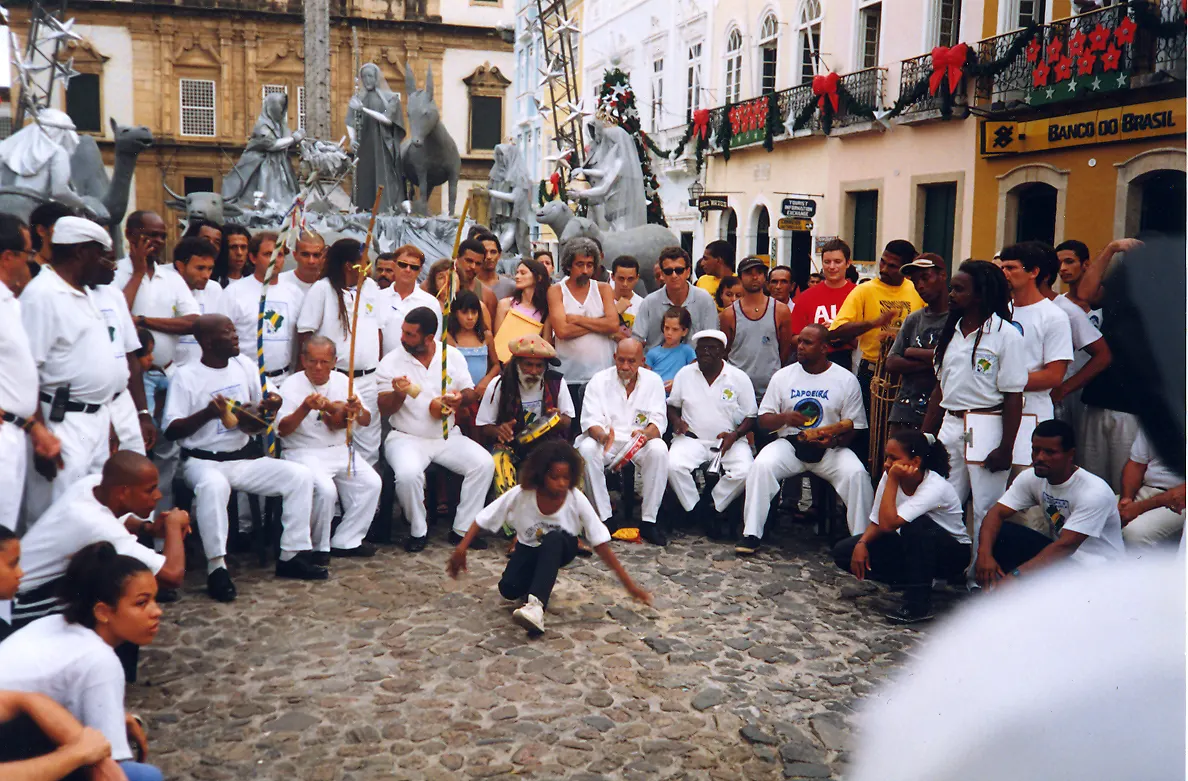
Fascinating fact: Capoeira, the spinning, acrobatic martial art disguised as dance, was developed by enslaved Africans in Brazil and was actually illegal until the 1930s. Watch a roda (the circle) form on a Salvador street and you're watching resistance turned into art.
Insider tip
From Salvador, give two or three of your remaining days to the coast. The Peninsula of Marau, the village of Itacare, or the chic-but-laid-back island of Morro de Sao Paulo (no cars, just sand paths and boats) are where cariocas and Bahians themselves escape. Boat and ferry schedules drive everything here, so build in buffer time.
This ending suits travelers who want culture, music, and color, and it's the better fit if you're chasing beaches and a Carnival-flavored energy. Speaking of which, if your dates align, our Rio Carnival guide explains how to do February without losing your mind. Either way, browse our full destinations to see what else slots into a Northeast loop.
The reality of internal flights and distances
Let me be blunt about logistics, because this is where first-timers stumble. Brazil is vast, and you will fly between regions, there's no scenic train network bridging these distances, and overland would eat your entire holiday. Rio to Foz do Iguacu, Foz to Manaus, Foz to Salvador: these are all flights, several of them connecting through Sao Paulo (the country's main hub) or Brasilia.
Plan for this: keep one flight per travel day, never two, and never schedule a tight connection on the same day you cross regions. Domestic flights can shift, and Brazilian airports, especially Sao Paulo's Guarulhos and Congonhas, are large and busy. Build a buffer night around any flight that absolutely cannot be missed (like your international departure). Pack a carry-on with one change of clothes in case a bag wanders.
Internal flights are the one part of a Brazil trip worth getting expert help with. We route them every week, let us handle the puzzle.
Plan my trip on WhatsAppPacing: the mistake almost everyone makes
The single biggest error in a first Brazil itinerary is treating it like a European city-hop, stacking destinations until the trip becomes a forced march through airports. Brazil punishes that. The heat, the scale, and the sheer sensory richness mean you need recovery built in. Our rule: no more than three bases in two weeks, two full nights minimum at each, and at least one deliberately empty afternoon per region where the only plan is a beach, a hammock, or a long lunch.
That empty afternoon is not wasted time, it's where Brazil actually happens. The conversation with a kiosk owner, the impromptu samba, the storm rolling in over the bay. Leave room for it.
Variations: beaches vs nature vs culture
Use the same Rio-plus-Iguacu spine and swap the ending to match your appetite:
- Beach lovers: End in the Northeast (Salvador plus a coastal island), or add Buzios or Paraty near Rio. For something otherworldly, the white dunes and rain-fed blue lagoons of Lencois Maranhenses are a bucket-list detour best from roughly June to September.
- Nature seekers: Choose the Amazon ending, or, for spectacular wildlife, consider the Pantanal wetlands, the best place in South America to actually see jaguars.
- Culture and history buffs: Lean into Salvador, and consider the colonial mining towns of Minas Gerais like Ouro Preto, with their baroque churches and the sculptures of Aleijadinho.
- Foodies: Wherever you go, eat with abandon. Our guide to Brazilian food is your map to feijoada, moqueca, pao de queijo, and the rest.


Local culture and etiquette: travel like an insider
Brazilians are warm, tactile, and generous, and a little effort buys enormous goodwill. Greet with a smile and at least a "bom dia." A few notes that mark you as a respectful guest rather than a tourist:
- Punctuality is relaxed socially but real for flights and tours, know which is which.
- Tipping isn't as expected as in the US; a service charge is often included. Round up and you're golden.
- Dress is casual but Brazilians are immaculate, beachwear stays at the beach, not in restaurants or churches.
- Learn five words of Portuguese. Spanish is not the language here, and trying even a little earns real warmth.
- On safety, use the same street smarts you'd use in any big city, our honest take is in is Brazil safe for tourists.
Best time to go and beating the crowds
The most reliable window for this whole route is roughly April to June or September to November, shoulder seasons with kinder weather and thinner crowds than the December–February high summer, when prices and beaches both peak. Rio is glorious year-round but steamiest in January and February. The Amazon's experience flips with its water levels, and the Northeast stays warm almost always. For the precise month-by-month breakdown, lean on our best time to visit Brazil guide.
Crowd-dodging is mostly about hours, not seasons: be first through the gate at Christ the Redeemer, Sugarloaf, and Iguacu, and you'll experience the icons almost alone. The midday tour-bus tide is the enemy. Beat it and Brazil belongs to you.
Key takeaways
- Two weeks is the sweet spot: do Rio (4 nights) + Iguacu (3 nights) + one of the Amazon or Salvador, not all of Brazil at once.
- Brazil is bigger than the contiguous USA, you will fly between regions, usually via Sao Paulo, so plan one flight per travel day with buffers.
- Choose your ending by mood: Amazon for raw nature, the Northeast for culture, music, and beaches.
- Pace it, no more than three bases, two nights minimum each, and one empty afternoon per region.
- Beat crowds with early hours at the icons; travel the shoulder seasons (April–June, September–November) for the best balance.
Two weeks won't show you all of Brazil, nothing could. But this route shows you its range: the marvelous city, the thundering water, and the green or golden ending of your choosing. You'll come home recalibrated, a little sun-drunk, already plotting the return. And when you're ready to turn this into real dates and flights, we're a message away, born and raised here, and happiest sharing the country we love.
Ready to make this itinerary yours? Send us your dates and we'll build the perfect 14 days, flights and all.
Plan my trip on WhatsAppImage credits: Donatas Dabravolskas / CC BY-SA 4.0, via Wikimedia Commons; Martin St-Amant / CC BY 3.0, via Wikimedia Commons; Dennis G. Jarvis / CC BY-SA 2.0, via Wikimedia Commons; Paulo JC Nogueira / CC BY-SA 3.0, via Wikimedia Commons; Arian Zwegers / CC BY 2.0, via Wikimedia Commons; Julia Rubinic / CC BY 2.0, via Wikimedia Commons. Other photos via Unsplash or in the public domain.